
CP Child Treatment in Islamabad, Pakistan
A complete treatment plan for children with cerebral palsy at IRM Hospital, Islamabad: stem cell therapy with physiotherapy, speech and behaviour therapy.
One Plan, Five Therapies
Stem cells, physiotherapy, speech therapy, behaviour therapy and a diet plan, working together for your child.
Cells Prepared in Our Own Lab
Stem cells for treatment are prepared and quality-tested at Regen Cell Bio, inside IRM Hospital.
- CEO & Medical Director, IRM Hospital
- Stem Cell Consultant & Fellow in Stem Cell Therapy
- Diplomate, American Board of Regenerative Medicine
- Last updated: [publish date]
- Complete treatment plan
- Stem cells prepared in our own lab
- Physiotherapy, speech & behaviour therapy
- DHA Phase 2, Islamabad
➤ Understanding CP
What Is Cerebral Palsy (CP) in Children?
A “CP child” is a child with cerebral palsy, a group of permanent disorders that affect movement, muscle tone, balance and posture. It is caused by damage to, or abnormal development of, the parts of the growing brain that control movement, usually before birth or in early childhood. CP is the most common motor disability in childhood.
In most children the brain injury does not get worse over time, but its effects can change as the child grows. Many children with CP also have difficulties with speech, learning, vision, feeding or behaviour, which is why care works best when several therapies are combined. At IRM Hospital, CP care is part of our regenerative medicine services.
Key Facts About CP
- The most common motor disability in childhood
- Caused by damage to the developing brain
- Does not usually get worse over time
- No cure, but therapy can improve movement, communication and independence
➤ Types
Types of Cerebral Palsy
Spastic CP
Stiff, tight muscles that make movement awkward. This is the most common type.
Dyskinetic CP
Uncontrolled, slow or jerky movements of the hands, arms, feet or legs.
Ataxic CP
Problems with balance and coordination; walking may be unsteady.
Mixed CP
Signs of more than one type, most often spastic and dyskinetic together.
➤ Early Signs
Early Signs of Cerebral Palsy in Babies and Children
| Age | Signs to watch for |
|---|---|
| Under 6 months | Head falls back when the baby is picked up; body feels stiff or floppy; legs stiffen or cross like scissors |
| Over 6 months | Does not roll over; cannot bring hands together or to the mouth; reaches with only one hand |
| Over 10 months | Crawls in a lopsided way, or scoots on the bottom or hops on the knees instead of crawling on all fours |
If you notice these signs, or your child is missing milestones, speak to a doctor early. Early diagnosis and therapy make a difference.
What Causes Cerebral Palsy?
CP happens when the developing brain is damaged or does not develop normally. Most cases start before or around birth. Often, no single cause is found.
Known risk factors include:
- Premature birth and low birth weight
- Infections during pregnancy
- Lack of oxygen to the baby's brain
- Severe newborn jaundice
- Multiple births (twins or more)
- Brain infections or head injury in early childhood
How Is CP Diagnosed?
Doctors look at the child’s movement, muscle tone, reflexes and developmental milestones over time, and may use brain imaging such as MRI.
At IRM, every child has a full assessment before a treatment plan is made, so the plan fits your child’s needs.
➤ Our Approach
A Complete CP Treatment Plan at IRM
At IRM Hospital, children with CP receive one coordinated plan instead of separate treatments. Each plan is built around the child’s assessment, and the therapies work together:
- Stem cell therapy
- Physiotherapy
- Speech therapy
- Behaviour therapy
- Diet and nutrition plan
➤ Therapies
Therapies in Your Child's Treatment Plan
Stem Cell Therapy
Stem cells prepared and tested in our own lab, given as part of the overall plan to support the child’s development alongside rehabilitation.
Physiotherapy
Exercises and stretching to improve muscle strength, flexibility, posture, balance and mobility.
Speech Therapy
Helps with speech, language and communication and, where needed, swallowing and feeding skills.
Behaviour Therapy
Builds attention, social and daily-living skills, and supports positive behaviour at home and at school.
Diet & Nutrition Plan
A plan to support healthy growth, energy and weight, including for children with feeding difficulties.
➤ The Evidence
Stem Cell Therapy for CP: What the Research Says
Stem cell therapy is being studied as a way to support the injured brain, mainly by reducing inflammation and releasing signals that help nerve cells. A 2022 systematic review of 9 randomised controlled trials found that children who received stem cells alongside rehabilitation showed greater improvement in gross motor function (measured with the GMFM scale) at 3, 6 and 12 months than children who received rehabilitation alone, with no significant difference in overall side effects. The researchers also noted that the trials were small and that larger, high-quality studies are still needed.
What this means for your child: stem cell therapy is not a cure for CP. It is used as one part of a complete plan with physiotherapy and other therapies, and results differ from child to child. Our specialists will explain whether it is suitable for your child.
➤ Your Journey
Your Child's Treatment Journey at IRM


Full Assessment
We review your child’s history, examination findings and previous reports.

Personalised Plan
Therapies, schedule, expected course, possible risks and costs are explained before you decide.

Stem Cell Treatment
Where suitable, with cells prepared and tested in our own lab.

Therapy Sessions
Physiotherapy, speech and behaviour therapy, with a diet plan.

Follow-up
Regular progress reviews and adjustments to your child’s plan.
➤ Our Lab
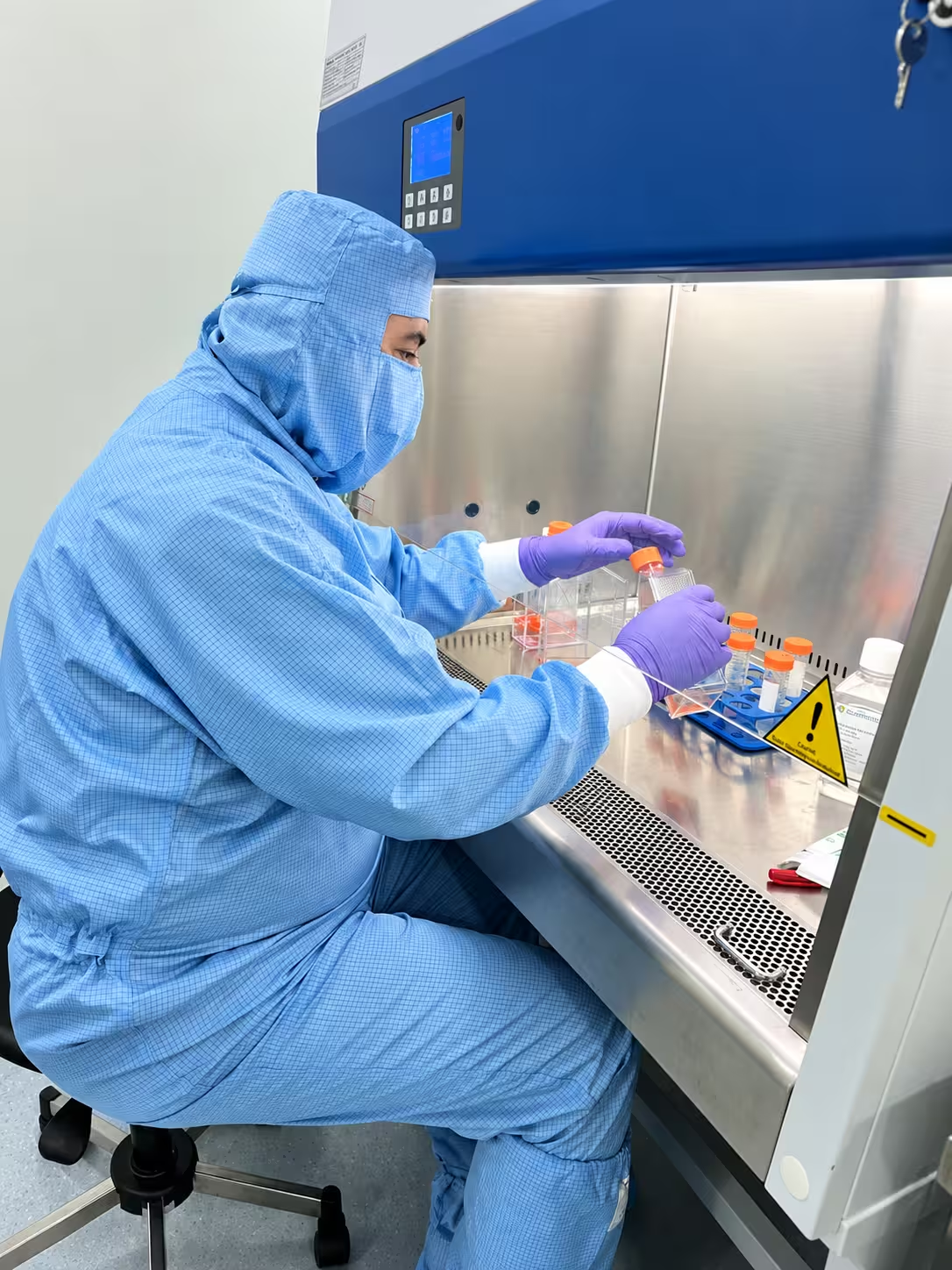
Stem Cells Prepared in Our Own Lab
The stem cells used in your child’s treatment are prepared at Regen Cell Bio, IRM Hospital’s in-house laboratory, established in 2019. Our processes follow Good Manufacturing Practice (GMP) principles, and every product is tested before release.
- Identity and potency testing
- Sterility, endotoxin and mycoplasma checks
- Genetic stability (karyotyping)
➤ Meet the Specialists
The Specialists Caring for Your Child
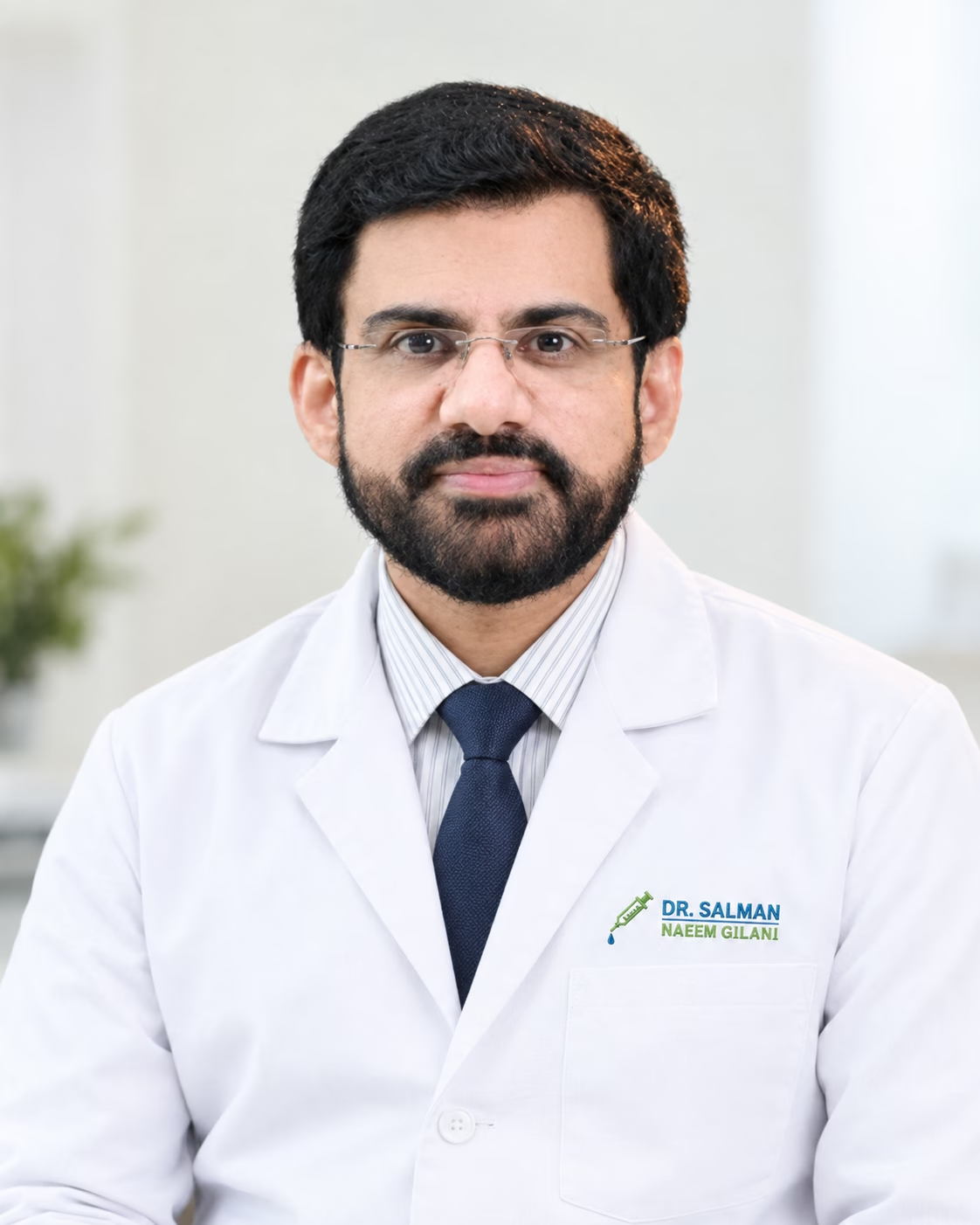
Dr. Syed Salman Naeem Gilani
CEO & Medical Director, IRM Hospital
- Stem Cell Consultant & Fellow in Stem Cell Therapy
- Diplomate, American Academy of Anti-Aging Medicine
- Diplomate, American Board of Regenerative Medicine
Dr. Salman Gilani leads stem cell treatment at IRM Hospital and oversees each child’s CP treatment plan together with the therapy team.
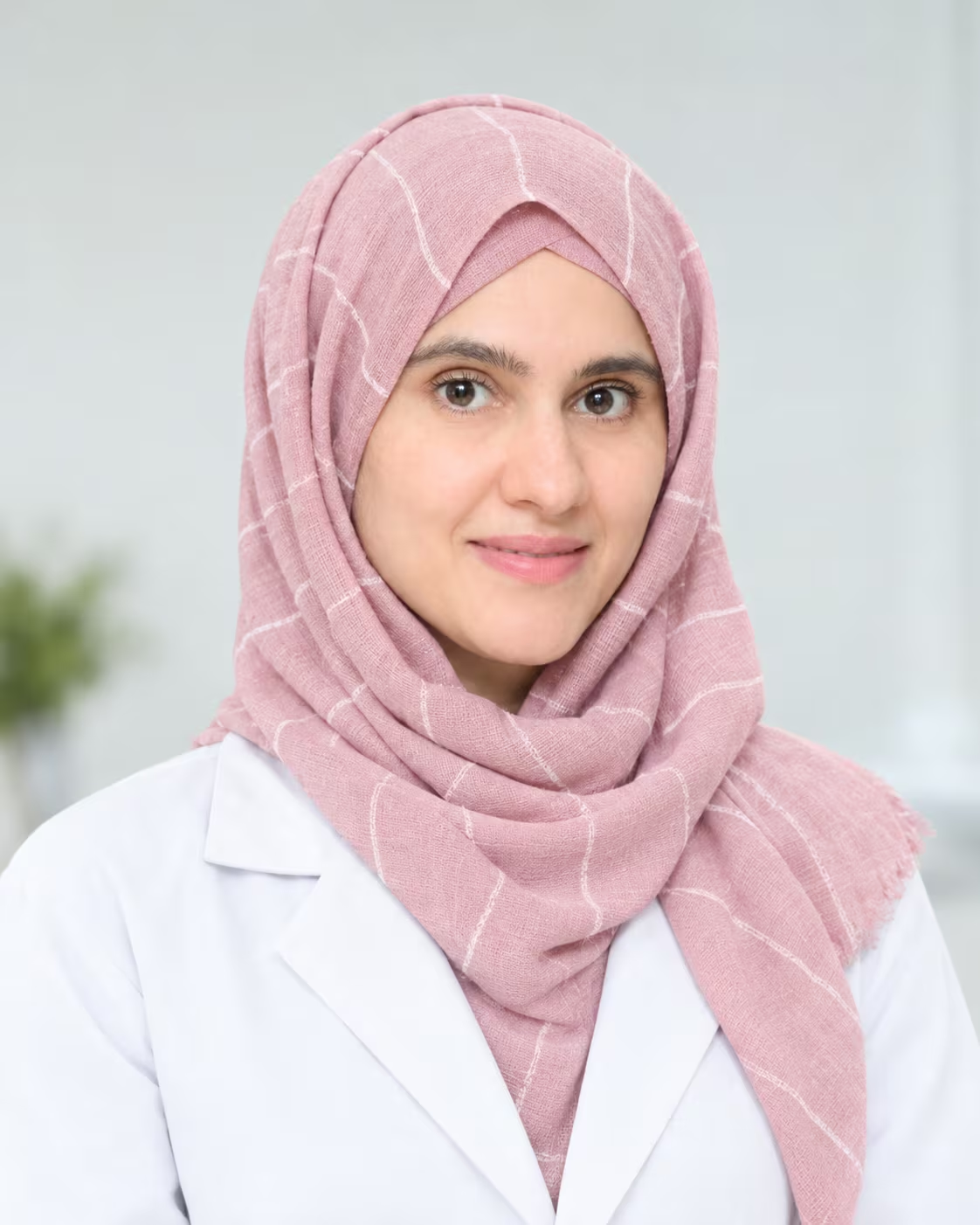
Dr. Sidra Bokhari
Lab Director (In-charge), Regen Cell Bio Laboratory, IRM Hospital
- Diplomate, American Board of Regenerative Medicine (DABRM)
- Certified in Genetics & Genomics (Stanford)
- Certified in Tissue & Cell Culturing
Dr. Sidra Bokhari leads Regen Cell Bio, where the stem cells used in CP treatment are prepared and quality-tested.
➤ For Parents
Support for Parents and Families
Caring for a child with CP is a long journey. Our team guides parents on home exercises, feeding and communication, and shares regular progress updates, so you know how your child is doing and what comes next.
Talk to Our CP Care Team
Share your child’s reports with us. We will explain the treatment plan and whether it suits your child.
➤ Watch & Learn
CP Treatment at IRM on Video
➤ FAQs
CP Child Treatment FAQs
What is a CP child?
A CP child is a child with cerebral palsy: a group of permanent disorders of movement, muscle tone and posture caused by damage to the developing brain. It is the most common motor disability in childhood.
Can cerebral palsy be cured?
There is no cure for CP, but treatment and therapy can improve movement, communication and independence, especially when started early.
What treatment does IRM provide for CP children?
A complete plan that combines stem cell therapy, physiotherapy, speech therapy, behaviour therapy and a diet plan, based on each child’s assessment.
Is stem cell therapy for CP available in Pakistan?
Yes. IRM Hospital in Islamabad offers stem cell therapy for children with CP as part of a full treatment plan, with cells prepared in its own laboratory.
Does stem cell therapy work for CP?
Research shows it may improve gross motor function when combined with rehabilitation, but results vary and it is not a cure. Our specialists explain whether it suits your child.
At what age can CP treatment start?
Therapy works best when started early, but children of different ages can benefit. Whether treatment suits your child is decided after a full assessment.
Does CP get worse over time?
In most cases the brain injury itself does not get worse, but the effects on muscles and movement can change as the child grows.
How do I book a consultation for my child?
Call our coordinator on +92 336 4367367, or book through our appointments page at irmsc.com/appointments.
Information on this page is for general education and does not replace a consultation with a qualified doctor. Treatment is offered only after a specialist assessment, and results differ from child to child.