
➤ Osteoarthritis Care in Islamabad
Osteoarthritis Stem Cell Treatment in Islamabad
Specialist assessment by Dr. Salman, with physiotherapy support, at IRM Hospital. Stem cell therapy for osteoarthritis is still being studied.
➤ Know the Evidence
What Research Really Shows
Some guidelines do not recommend stem cell injections for knee osteoarthritis. We explain the evidence before you decide.
➤ Movement Matters
Physiotherapy With Dr. Malik Muhammad Naeem
Exercise and physiotherapy are central to osteoarthritis care, with or without any cell treatment.
➤ UNDERSTANDING OSTEOARTHRITIS
What Is Osteoarthritis?
Osteoarthritis is the most common form of arthritis. It happens when the cartilage that cushions the ends of the bones in a joint gradually wears down. It most often affects the hands, knees, hips and spine.
Symptoms can usually be managed, but the joint damage cannot be reversed. This page covers the main types, standard care, and what research says about stem cell therapy. Treatment at IRM Hospital is led by Dr. Salman, with physiotherapy support. It sits within our wider guide to arthritis and stem cell therapy.
It affects the whole joint
Osteoarthritis is often called wear and tear, but it also changes the bone and the tissues around the joint.
Risk factors
Older age, past joint injuries, extra body weight, joint deformities and being female all raise the risk.
It develops slowly
Symptoms usually start gently and worsen over time. Staying active and keeping a healthy weight can help.
➤ TYPES OF OSTEOARTHRITIS
Osteoarthritis by Joint
Osteoarthritis is described by the joint it affects. Each joint has its own symptoms and its own options.
Knee
Pain, swelling and stiffness, especially when climbing stairs or after sitting. The most studied joint for stem cell research.
Hip
Pain in the groin or outer thigh, and stiffness that limits walking and bending.
Hand and Fingers
Stiff, tender finger joints and bony lumps, which can make gripping harder.
Spine
The discs narrow and bone spurs form, causing neck or back pain and stiffness.
➤ SYMPTOMS AND DIAGNOSIS
Symptoms and How It Is Diagnosed
Common Symptoms
- Pain during or after movement
- Stiffness, especially after rest
- Tenderness and swelling
- Loss of flexibility
- A grating or crackling feeling
- Bone spurs (hard lumps near the joint)
How Diagnosis Works
- Your doctor asks about symptoms and examines the joint
- X-rays show narrowing and bone spurs
- MRI or blood tests are used when needed, mainly to rule out other types of arthritis
- Bring earlier reports so tests are not repeated
When to see a doctor: if joint pain or stiffness does not go away, get it checked. Other conditions can look similar, so a proper diagnosis comes first.
➤ STANDARD CARE
How Osteoarthritis Is Usually Treated
These are the proven foundations of care. Stem cell therapy is considered only alongside them.
Stay Active
Regular, joint-friendly exercise strengthens the muscles that support the joint.
Healthy Weight
Less body weight means less load on the knees and hips.
Medicines and Injections
Pain relief and anti-inflammatory medicines, and in some cases joint injections, as advised by your doctor.
Surgery
For severe cases, joint replacement may be discussed. Your doctor advises when this is needed.
➤ THE EVIDENCE
Stem Cell Therapy for Osteoarthritis: What Research Shows
Stem cell therapy for osteoarthritis is still being studied. It is not a proven treatment, and it does not replace exercise, medicines or physiotherapy.
Guidelines
Major guidelines, including those of the American College of Rheumatology and Arthritis Foundation (2019) and OARSI (2019), recommend against stem cell injections for knee osteoarthritis.
Reviews of studies
One review found that stem cell injections eased pain over time but did not improve knee function, and noted that the quality of the studies was limited.
Our approach
Your doctor discusses this evidence with you first, and treatment is offered only if it is suitable for you.
Sources: American College of Rheumatology / Arthritis Foundation and OARSI guidelines (2019); systematic review, Cell Transplantation and related journals.
➤ STEM CELL TREATMENT AT IRM
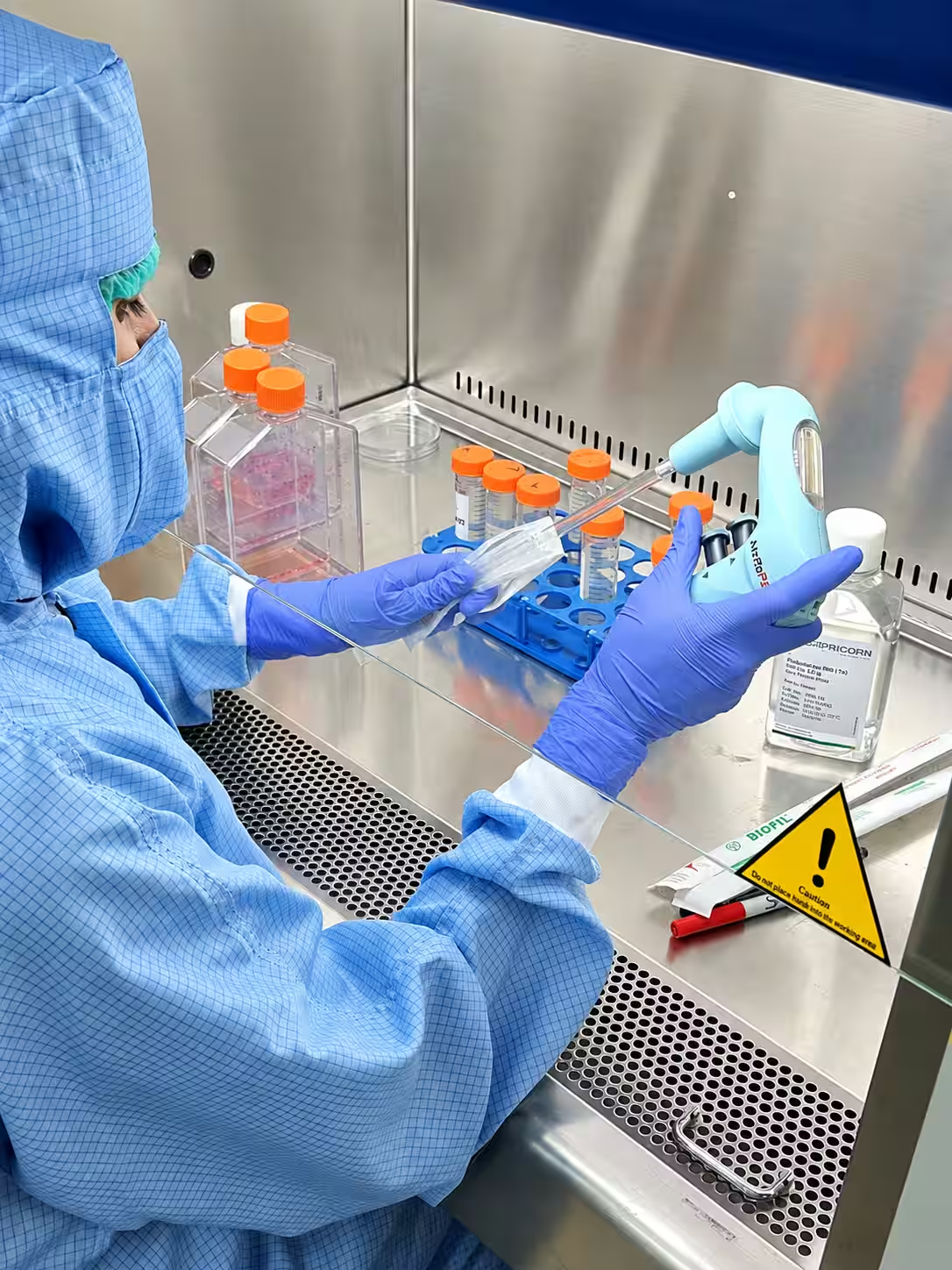
Stem Cell Treatment for Osteoarthritis at IRM
After a specialist assessment of your joint, reports and overall health, Dr. Salman explains whether stem cell treatment is an option for you. Cells are prepared in our own laboratory, Regen Cell Bio, and the cell source and route are chosen for each patient.
➤ MEET YOUR SPECIALISTS
Your Care Team
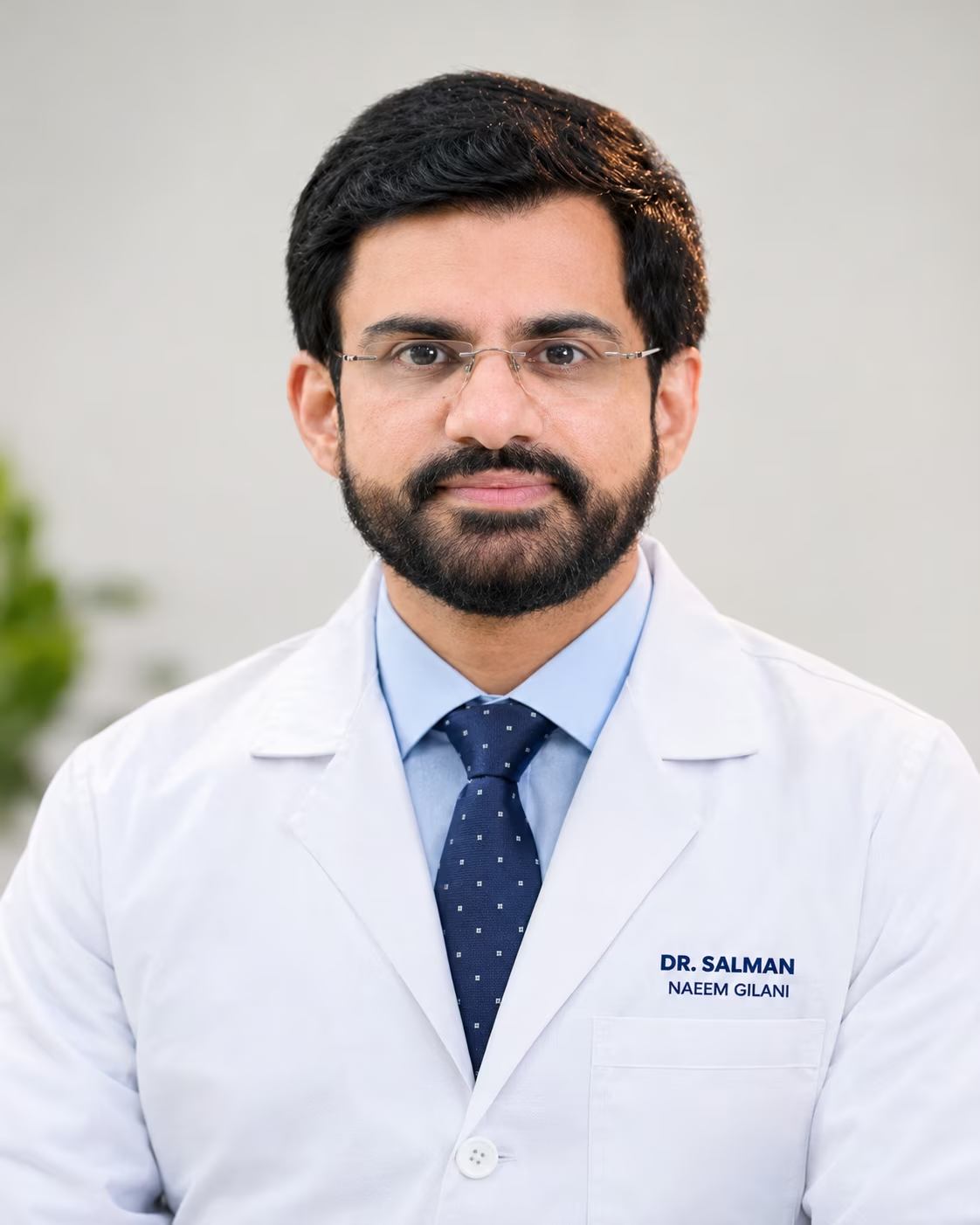
Stem Cell Consultant
Dr. Salman Gilani
M.B.B.S, M.D (USA), FACP
Leadership & Roles
- Medical Director, IRM Hospital
- Dean, IRM Medical College
- Diplomate, American Board of Regenerative Medicine (ABRM)
- Diplomate, American Academy of Anti-Aging Medicine (A4M)
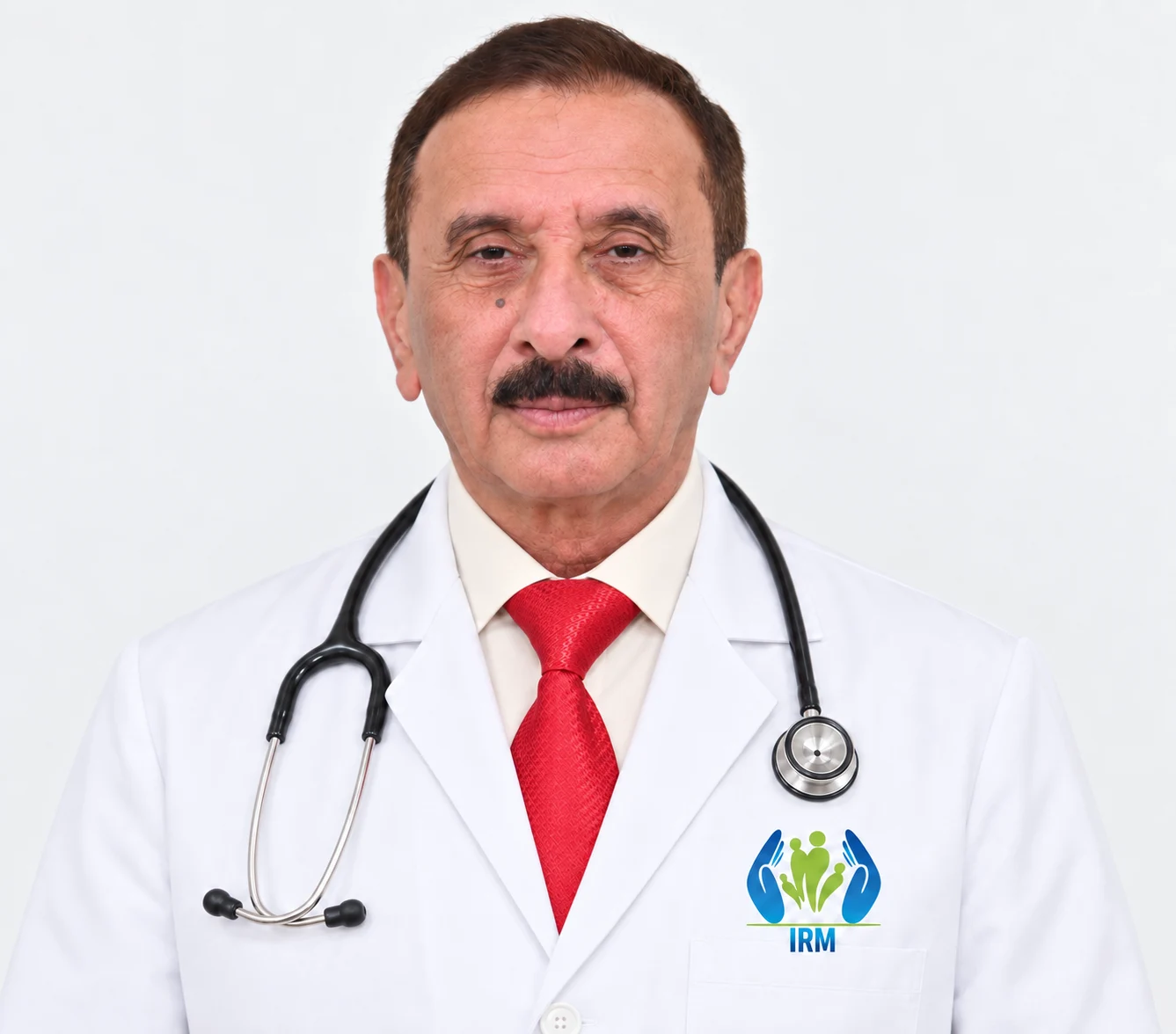
Physiotherapist
Malik Naeem
B.S (PT), M.Phil (PPDPT), M.S (NMPT), PGD Pain Management (HSA)
Exercise and physiotherapy are central to osteoarthritis care. Dr. Malik Muhammad Naeem builds a programme to strengthen the muscles around the joint and keep it moving, alongside any other treatment.
➤ COMMON QUESTIONS
Osteoarthritis Stem Cell Treatment FAQs
What is osteoarthritis?
It is the most common form of arthritis. The cartilage that cushions the joint wears down over time, most often in the hands, knees, hips and spine.
Can stem cells cure osteoarthritis?
No. Joint damage from osteoarthritis cannot be reversed with any treatment, and stem cell therapy is still being studied. Results vary and no outcome can be promised.
Do guidelines recommend stem cell injections for knee osteoarthritis?
Several major guidelines currently recommend against them. We explain this openly, so you can decide with full information.
Does IRM offer stem cell treatment for osteoarthritis?
Yes, after a specialist assessment with Dr. Salman, who explains the evidence, risks and limits first.
Do I still need physiotherapy?
Yes. Exercise and physiotherapy remain central to care, and Malik Naeem supports this at IRM.
What should I bring to the first visit?
Bring your X-rays, MRI or blood reports, and a list of current medicines.
➤ BOOK AN ASSESSMENT
Submit Your Details with Us
- 397-Kortana, Opposite Gate 4, DHA Phase 2, Islamabad
- Hospital: +92 331 4367367
- Coordinator (WhatsApp): +92 336 4367367
- contact@irmsc.com
Prefer to Talk to Someone First?
Message our coordinator on WhatsApp or call the hospital. Share your latest reports and we will tell you honestly whether an assessment makes sense.
Related: Arthritis · Juvenile arthritis · Stem cell therapy
Disclaimer: This page is for information only and is not a substitute for medical advice. Treatment at IRM Hospital is offered only after a specialist assessment. Stem cell therapy for osteoarthritis is still being studied, is not a proven treatment, and does not replace exercise, medicines or physiotherapy. Sources: Mayo Clinic, ACR/Arthritis Foundation, OARSI. Results vary between patients and no outcome can be promised.