
➤ Muscular Dystrophy Care in Islamabad
Muscular Dystrophy Treatment with Stem Cells in Islamabad
Specialist assessment, stem cell treatment and physiotherapy support for muscular dystrophy at IRM Hospital. Stem cell therapy for muscular dystrophy is still being studied.
➤ Know the Evidence
Hope, Explained Honestly
We explain what research shows, what it does not yet show, and how stem cell treatment fits with standard care for muscular dystrophy.
➤ Care Comes First
Therapy and Monitoring Are the Foundation
Physical therapy, medicines and regular heart and lung checks are the proven base of muscular dystrophy care. Stem cell treatment is considered only alongside them.
Specialist Assessment
Test Review

Stem Cell Treatment

Honest Guidance

Follow-Up Care
➤ UNDERSTANDING MUSCULAR DYSTROPHY
What Is Muscular Dystrophy?
Muscular dystrophy is a group of genetic diseases that cause progressive muscle weakness and loss of muscle mass. The main symptom is muscle weakness that gets worse over time, which makes everyday tasks harder.
This page explains the main types, how the condition is diagnosed and treated, and what research on stem cell therapy does and does not show.
What is it?
A group of genetic diseases in which muscles slowly weaken and lose mass over time.
How many types?
There are more than 30 types. They differ in the age symptoms start and the muscles affected.
What causes it?
Changes (mutations) in genes that make proteins muscles need. Most of these changes are inherited.
Is there a cure?
No type of muscular dystrophy can be cured yet. Treatment can help manage symptoms and slow the course of the disease.
➤ MAIN TYPES
Types of Muscular Dystrophy
These are some of the main types. Each type has its own gene change, so confirming which type you or your child has is the first step in planning care.
Duchenne (DMD)
The most common childhood form, much more common in boys. Symptoms usually start in early childhood, with late walking, frequent falls and trouble running or climbing stairs.
Becker (BMD)
Similar to Duchenne but milder and slower to progress. Symptoms usually begin in the teens, and sometimes not until the mid-20s or later.
Limb-Girdle
Mainly affects the muscles around the shoulders and hips. The age of onset varies widely.
Facioscapulohumeral (FSHD)
Weakness usually starts in the face, shoulders and upper arms, often in the teenage years.
Myotonic
The muscles cannot relax easily, for example it can be hard to let go of a handshake. It can also affect the heart.
Congenital
Appears at birth or before age 2. Some forms progress slowly, while others are more severe.
➤ SIGNS AND CAUSES
Symptoms and Causes
Early Signs in Children
- Late walking or frequent falls
- Trouble rising from the floor
- Trouble running, jumping or climbing stairs
- Waddling walk or walking on the toes
As Weakness Progresses
- Trouble walking, and sometimes the need for a wheelchair
- Trouble using the arms and shoulders
- Muscle stiffness or tight joints (contractures)
- Curving of the spine (scoliosis)
Other Possible Effects
- Weakness of the heart muscle or heart rhythm problems
- Weakness of breathing muscles
- Trouble swallowing
- Weaker bones in some children
Gene Changes
Each type is caused by a gene change that is particular to that type. The genes help make proteins that protect muscle fibres.
Inheritance
Most gene changes are passed from parent to child. Some happen for the first time in a child with no family history.
Who Is Affected
Duchenne is much more common in boys, although girls can be carriers and some have mild symptoms.
Genetic Counselling
A genetics doctor or counsellor can explain the risk of passing the condition to other children.
When to see a doctor: if a child falls often, is late to walk, or has trouble rising from the floor, or if an adult notices growing muscle weakness, see a doctor. These signs can have other causes, so testing is needed to know.
➤ DIAGNOSIS
How Is Muscular Dystrophy Diagnosed?
Diagnosis combines an examination with blood and genetic tests. If you already have reports, bring them so that tests are not repeated unnecessarily.

History and Examination
The doctor asks about symptoms, when they began and family history, and examines muscle strength and movement.

Creatine Kinase (CK) Blood Test
Damaged muscles release the enzyme CK into the blood. A high level without an injury suggests a muscle disease.

Genetic Testing
A blood sample is checked for gene changes. It is the main test that confirms the diagnosis and the type.

Muscle Biopsy or EMG
If genetic testing is not enough, a small piece of muscle may be tested, or the electrical activity of the muscle may be measured.

Heart and Lung Checks
Tests such as an ECG, echocardiogram and lung function tests show how the heart and breathing are affected.
➤ STANDARD CARE
How Muscular Dystrophy Is Treated
There is no cure, but treatment can help people stay mobile and independent for longer and protect the heart and lungs. Care usually needs a team, and it continues for life. Always check with your doctor before starting any new exercise.
| Treatment | What it does | Role |
|---|---|---|
| Physical therapy | Exercises that keep muscles stronger and more flexible for longer and help prevent tight joints. | Core of care for all types |
| Occupational therapy | Ways to make everyday tasks easier, with aids when needed. | Support independence |
| Corticosteroids | Medicines such as prednisone and deflazacort can help muscle strength and delay progression in certain types. | Used mainly in Duchenne |
| Newer medicines for Duchenne | Exon-skipping medicines, vamorolone, givinostat and one gene therapy are approved by the US FDA for some people, depending on age and the exact gene change. | Ask a neuromuscular specialist about eligibility |
| Heart and lung care | Regular heart and lung checks, with medicines or breathing support when needed. | Protect vital organs |
| Mobility aids and surgery | Braces, walkers and wheelchairs, and sometimes surgery for spine or joint problems. | Maintain movement and comfort |
| Stem cell therapy | Cell-based treatments are being studied for muscular dystrophy. | Still under study. Not a replacement for the care above |
➤ THE CARE TEAM
Who Is Usually Part of the Care Team?
People with muscular dystrophy are usually monitored throughout life by a team. This is the team described by major medical centres. Which services you need depends on your type and stage.
Neurologist
Often leads care for muscle and nerve conditions.
Physical Therapist
Teaches exercises to improve movement and keep muscles flexible.
Occupational Therapist
Makes everyday tasks easier.
Heart and Lung Doctors
A cardiologist, and a pulmonologist or respiratory therapist, monitor the heart and breathing.
Dietitian and Speech Therapist
Support nutrition, swallowing and communication when needed.
Genetics Counsellor
Explains the course of the condition and the risk for family members.
➤ THE EVIDENCE
Stem Cell Therapy for Muscular Dystrophy: What Research Shows
Stem cell therapy for muscular dystrophy is still being studied. It is not a proven cure, and it does not replace physical therapy, medicines or heart and lung care.
| What research looks at | What it shows so far |
|---|---|
| Animal studies | Mesenchymal stem cells have shown encouraging effects on muscle in animal models of Duchenne muscular dystrophy. |
| Human studies | Human studies are few, small and differ in design. A systematic review of 12 cell therapy studies in Duchenne could not give firm conclusions on safety and benefit. |
| Challenges | Cells may not settle well in the muscle, delivery is difficult, and the immune system may reject them. Long-term safety also needs to be studied. |
| Current status | Cell therapy for Duchenne has not yet been clinically established, and the disease is still considered incurable. |
| Caution | Recent reviews warn about unproven treatments that claim stem cell effects. Ask what evidence supports any treatment offered. |
Sources: Stem Cell Reviews and Reports (2023), Cellular and Molecular Life Sciences (2025), Biomedicines (2021), Mayo Clinic.
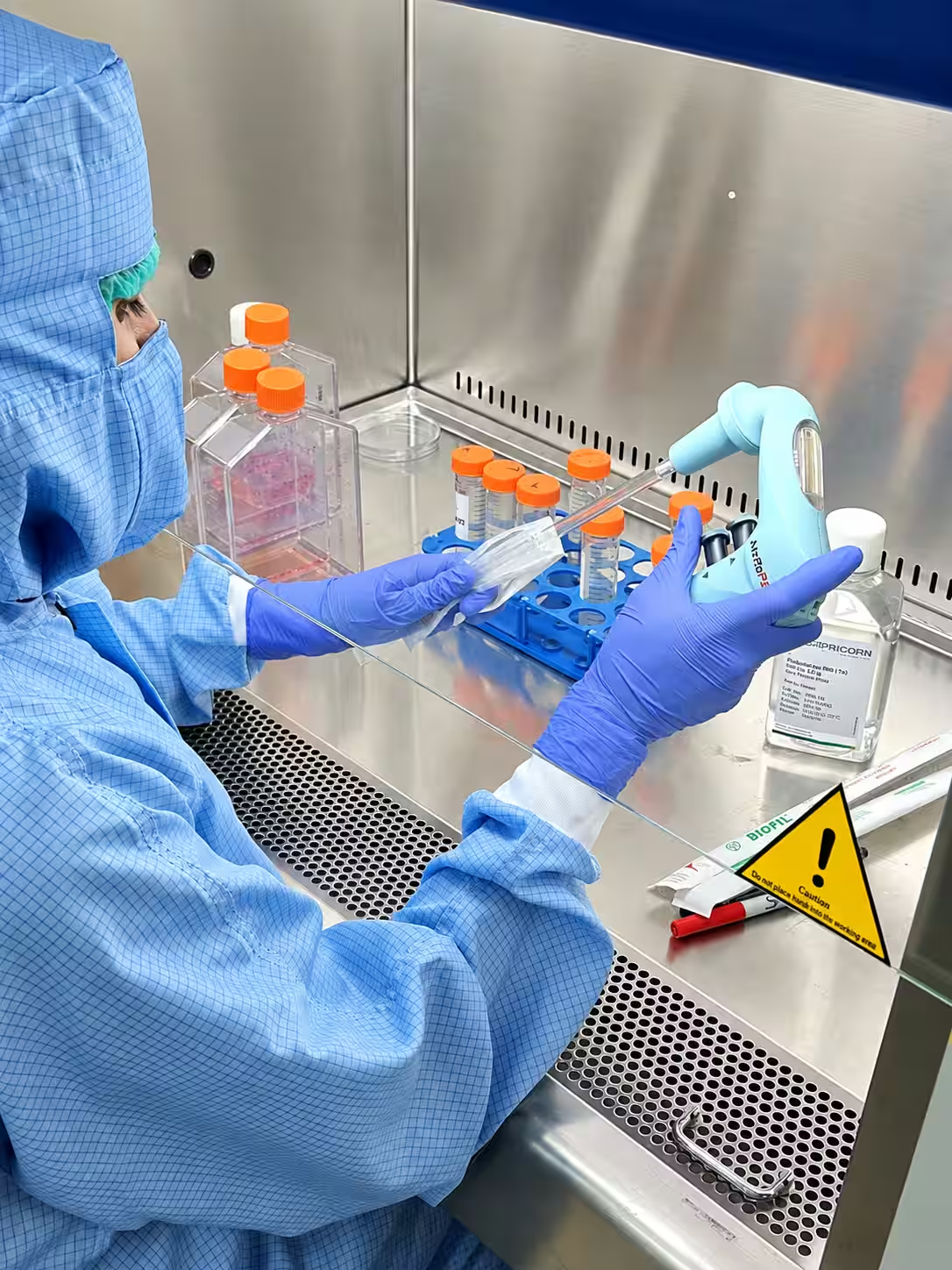
➤ STEM CELL TREATMENT AT IRM
Stem Cell Treatment for Muscular Dystrophy at IRM
IRM Hospital offers stem cell treatment for muscular dystrophy after a specialist assessment of your diagnosis, reports and overall health. It is offered alongside physiotherapy and your regular care, never instead of them.
Please note: results vary, improvement is not guaranteed, and the long-term benefits are still being studied. Your doctor explains the benefits, risks and limits before you decide.
➤ YOUR JOURNEY
What to Expect at IRM Hospital
Send your latest reports first, so that the assessment is focused and tests are not repeated unnecessarily.
Send Your Reports
Share the diagnosis, genetic and CK test results, heart and lung reports, and a list of current medicines.
Specialist Assessment
The doctor reviews the diagnosis, type, stage and overall health, and checks whether treatment may suit the patient.
Honest Discussion
You hear the evidence, the possible benefits and risks, and the limits, so you can decide with confidence.
Treatment and Therapy Plan
If you go ahead, the cell treatment is planned by the medical team together with a physiotherapy plan.
Follow-Up
Progress is reviewed, and regular care with your own neuromuscular team continues.
➤ MEET YOUR SPECIALISTS
The Team Behind Your Care
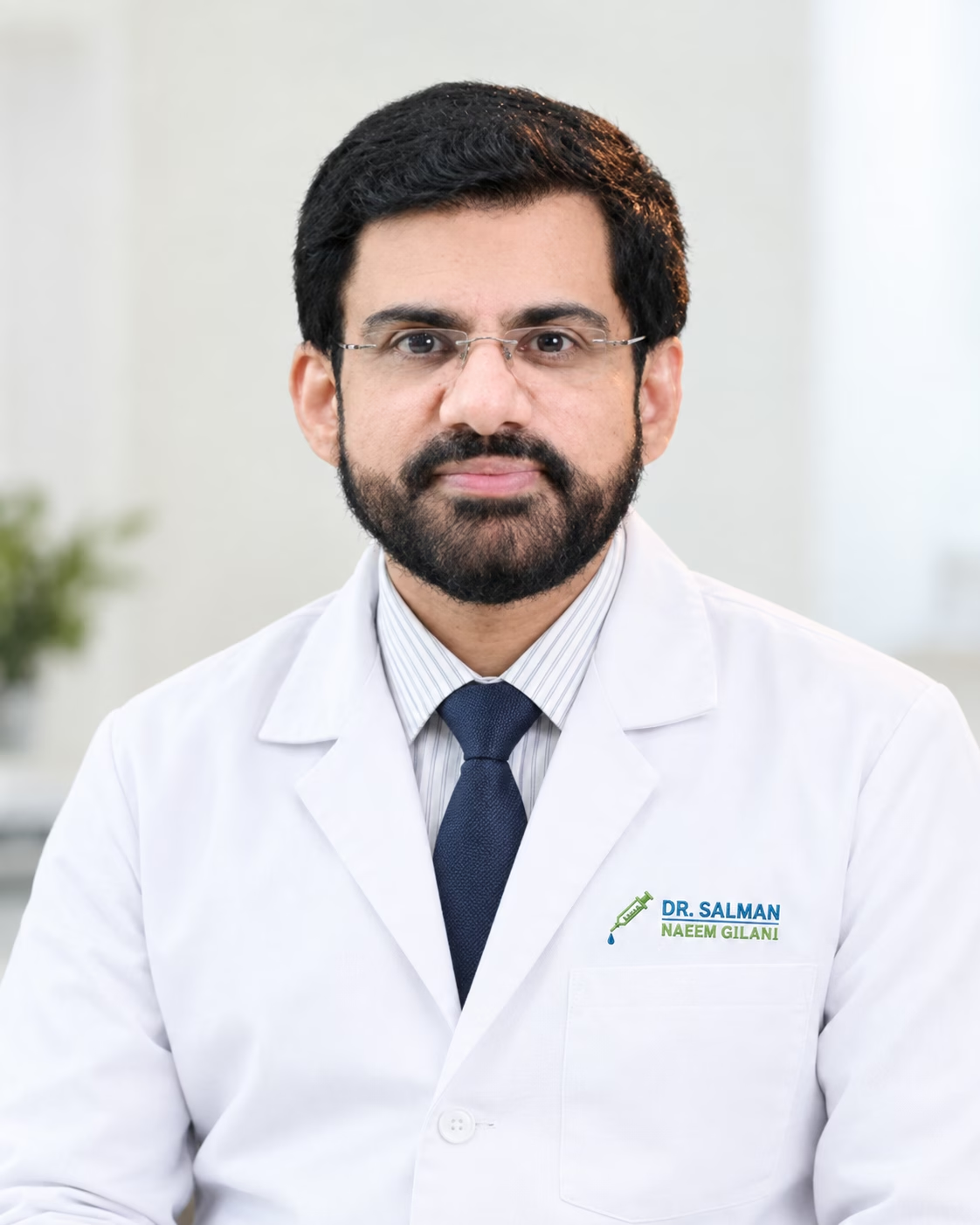
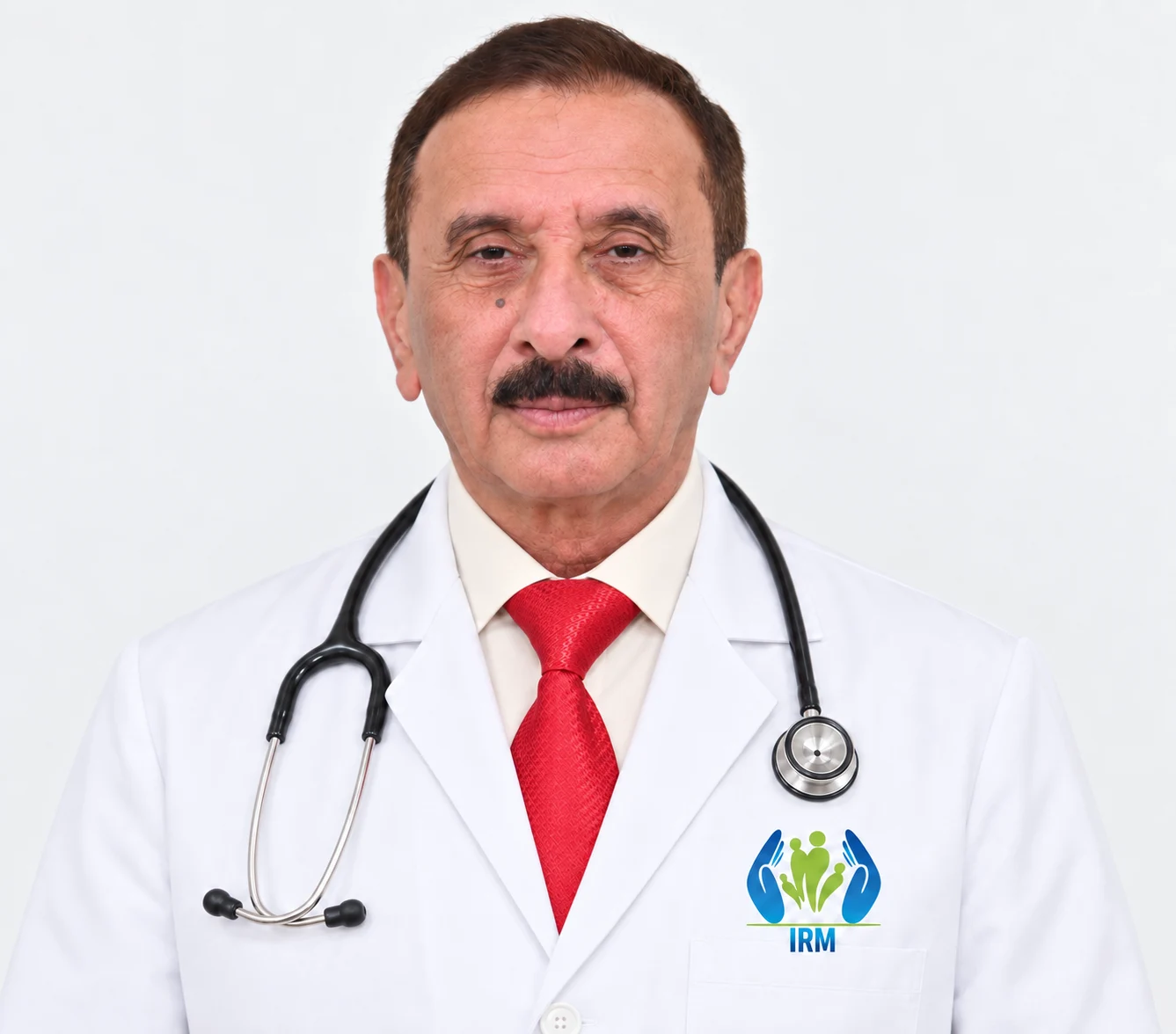
Stem Cell Consultant
Dr. Salman Gilani
M.B.B.S, M.D (USA), FACP
Leadership & Roles
- Medical Director, IRM Hospital
- Dean, IRM Medical College
- Diplomate, American Board of Regenerative Medicine (ABRM)
- Diplomate, American Academy of Anti-Aging Medicine (A4M)
Physiotherapist
Malik Naeem
B.S (PT), M.Phil (PPDPT), M.S (NMPT), PGD Pain Management (HSA)
Physical therapy is a core part of muscular dystrophy care, helping to keep muscles stronger and more flexible for longer.
➤ BOOK AN ASSESSMENT
Submit Your Details with Us
- 397-Kortana, Opposite Gate 4, DHA Phase 2, Islamabad
- Hospital: +92 331 4367367
- Coordinator (WhatsApp): +92 336 4367367
- contact@irmsc.com
➤ COMMON QUESTIONS
Autoimmune Stem Cell Treatment FAQs
What is an autoimmune disease?
It is a condition in which the immune system mistakenly attacks the body’s own healthy tissue. More than 80 autoimmune diseases are known, and they can affect the joints, skin, thyroid, kidneys, nerves and other organs.
What causes autoimmune diseases?
The exact cause is often unknown. Genes, environmental triggers such as infections and smoking, and hormones are thought to play a part. There is no known way to prevent most autoimmune diseases.
Which conditions does this page cover?
It focuses on common conditions such as rheumatoid arthritis, lupus, psoriasis and psoriatic arthritis, and thyroid disease (Hashimoto’s and Graves’). Contact us about other conditions, and the doctor will advise.
Can stem cells cure an autoimmune disease?
No. Stem cell therapy for autoimmune disease is still being studied. Early research is encouraging and shows a favourable safety profile, but larger trials are needed. No outcome can be promised.
Does IRM offer stem cell treatment for autoimmune conditions?
Yes. IRM offers stem cell treatment after a specialist assessment, alongside your regular treatment. The doctor explains the evidence, risks and limits first.
Can stem cell therapy replace my medicines?
No. Stem cell therapy is not a replacement for your prescribed medicines. Never stop or change them without advice from your own specialist.
Is this the same as a bone marrow (hematopoietic) transplant?
No. Hematopoietic stem cell transplantation is a separate procedure that involves chemotherapy and is used only for selected severe cases at accredited transplant centres. Mesenchymal stem cell therapy is a different approach, and it is still under study.
Is it safe? What are the risks?
Reviews of clinical trials report a favourable safety profile, but long-term safety is not yet fully known. Possible risks include a reaction during infusion, infection and discomfort at the procedure site. Your doctor explains the risks for you.
Who may not be suitable?
Some conditions, such as active infection, may make treatment unsuitable, so your doctor reviews your reports and overall health first. Treatment is offered only to suitable patients.
How is an autoimmune disease diagnosed?
Usually with a history, examination and blood tests such as ANA, CRP and ESR, sometimes with imaging, reviewed by a specialist. A positive ANA alone does not confirm a disease.
What should I bring to my first visit?
Bring your diagnosis, recent blood test and imaging reports, and a list of your current medicines.
Do you see patients from outside Islamabad?
Yes. We welcome patients from Punjab and across Pakistan. Send your reports through the form or WhatsApp first and our team will advise the next step.
Prefer to Talk to Someone First?
Message our coordinator on WhatsApp or call the hospital. Tell us about your condition and share your latest reports. Your information stays confidential.
Related: Stem cell therapy · Dr. Salman Gilani · IRM Hospital
Disclaimer: This page is for information only and is not a substitute for medical advice. Treatment at IRM Hospital is offered only after a specialist assessment. Stem cell therapy for autoimmune conditions is still being studied, is not a replacement for prescribed medicines, and results vary between patients. Sources: MedlinePlus, Mayo Clinic, NIEHS, published systematic reviews.