



Autism Treatment in Islamabad, Pakistan, with Stem Cell Therapy
IRM treats Autism with umbilical-cord stem cell & exosome therapy combined with speech, behavior, and sensory therapies — in a structured one-month program based in Islamabad.
Meet Our
Autism Consultant
Our commitment to excellence is personified through our team of the finest physicians in the field of regenerative medicine.


➤ Understanding Autism
What Is Autism Spectrum Disorder (ASD)?
Autism Spectrum Disorder (ASD) is a neurodevelopmental condition — it affects how the brain processes communication, social interaction, sensory input, and behavior. It’s called a “spectrum” because no two autistic children present the same way: one child may be non-verbal with significant sensory sensitivity; another may speak fluently but struggle with social reciprocity and routine changes.

Delayed Speech
Little to no speech by age 2, or loss of words previously used.

Limited Eye Contact
Avoiding eye contact or not responding when their name is called.

Repetitive Movements
Hand-flapping, rocking, or intense focus on one object.

Routine Sensitivity
Meltdowns when routines change, or trouble reading tone/body language.

When Should a Parent Seek an Evaluation?
Pediatric guidelines generally recommend a developmental screening if a child isn’t babbling by 12 months, saying single words by 16 months, or combining two words by 24 months — or if a parent notices any loss of previously acquired skills at any age. Earlier evaluation means earlier access to both behavioral therapy and, if a family chooses to pursue it, regenerative options like stem cell therapy.
➤ The Honest Answer
Can an Autistic Child Live a Normal Life?
Can autism be cured?
No — there is currently no medical cure. But with early diagnosis and the right combination of therapies, many autistic children go on to live independent, fulfilling lives. “Normal life” means functional independence and real relationships, not the elimination of autism itself. IRM’s program supports progress alongside conventional therapy — it does not replace it.
➤ Your Option
How Autism Is Treated — Traditional vs. Stem Cell Therapy
Most specialists recommend combining approaches, started as early as possible.
| Approach | What It Does | Availability |
|---|---|---|
| Applied Behavior Analysis (ABA) | Teaches skills, reduces problem behaviors | Widely available in Pakistan |
| Speech Therapy | Builds verbal & non-verbal communication | Widely available |
| Occupational Therapy | Improves daily-living & motor skills | Widely available |
| Sensory Integration Therapy | Helps process sensory input | Specialized centers |
| Stem Cell Therapy (IRM) | Umbilical-cord MSCs + exosomes, IV & intrathecal, alongside allied therapies | IRM Hospital |
➤ The Process
IRM's Autism Stem Cell Program — Step by Step
A structured one-month plan, not a single-visit injection.
Day 1
Assesment
Consultations with the Stem Cell Consultant, behavior therapist, speech therapist, and nutrition therapist. Blood samples were taken for baseline evaluation.
Day 2
First Stem Cell Session
The child is sedated (not under general anesthesia). First IV stem cell infusion, plus a cold laser therapy session.
Week 1 Onward
Allied Therapies
IV nutrition, IV chelation, speech therapy, behavior therapy, and continued cold laser sessions on schedule.
Full Program
One Month, Fully Mapped
- 3 stem cell sessions
- 3 IV Nutrition sessions
- 3 IV Chelation sessions
- 18 behavior therapy sessions
- 18 speech therapy sessions
- 10 cold laser sessions
➤ Clinical Detail
The Science: Cells, Dosing & Exosomes
IV + Intrathecal
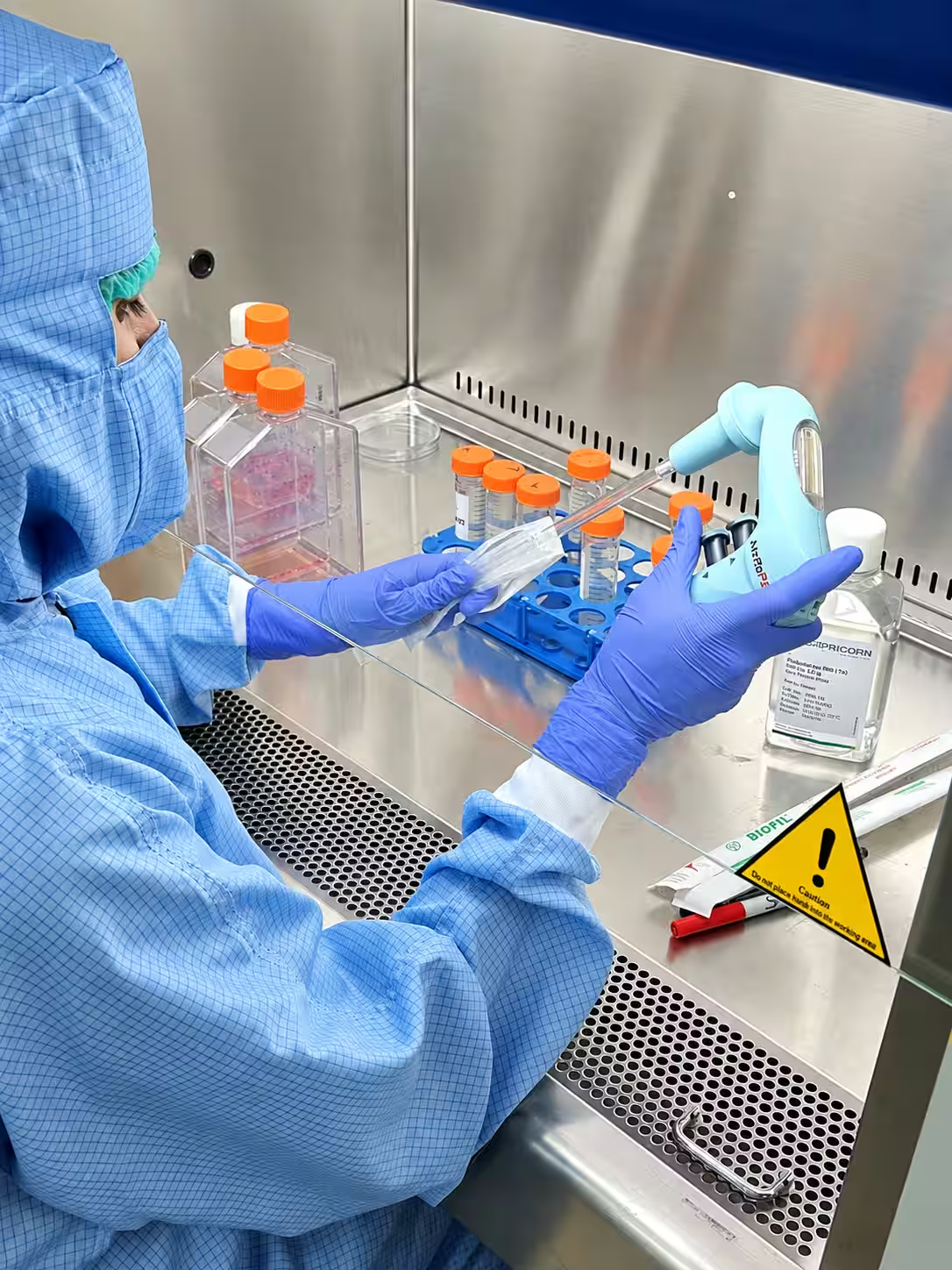
Umbilical cord-derived mesenchymal stem cells (UC-MSCs) are delivered intravenously and intrathecally via lumbar puncture directly to the neurological system at a target dosage of 1–3 million cells/kg.
Exosome Therapy
MSCs secrete cytokines and immunosuppressive molecules that may support brain development and immune regulation, delivered at a target concentration of 100 billion exosomes.
1ml Volume
Intrathecal delivery always uses 1-2ml of fluid. No fluid is extracted from the patient during the procedure.
➤ Parents Ask First
Safety, Anesthesia & What to Expect
Sedation, Not General Anesthesia
Sevoflurane is used. Your child is never intubated and breathes independently.
5-Hour Fast .
Required beforehand for safety during sedation
Possible Side Effects
Some children may experience fever, dizziness, headache, or vomiting.
Full-Time Monitoring
Medical staff present throughout every stage of the procedure.
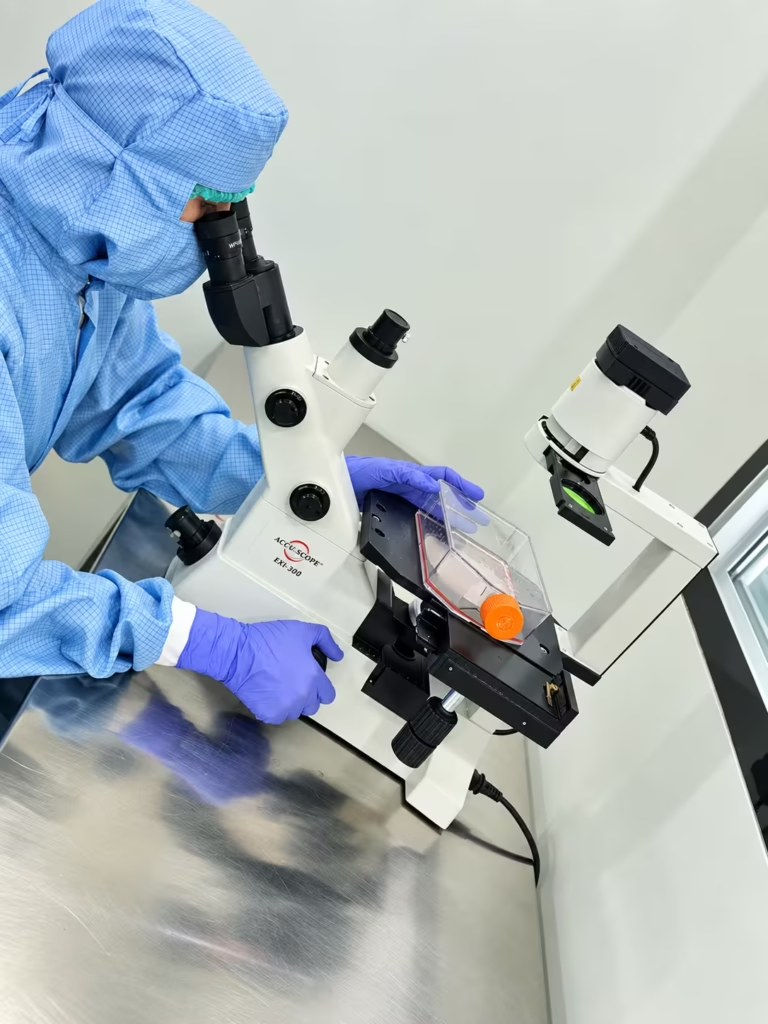
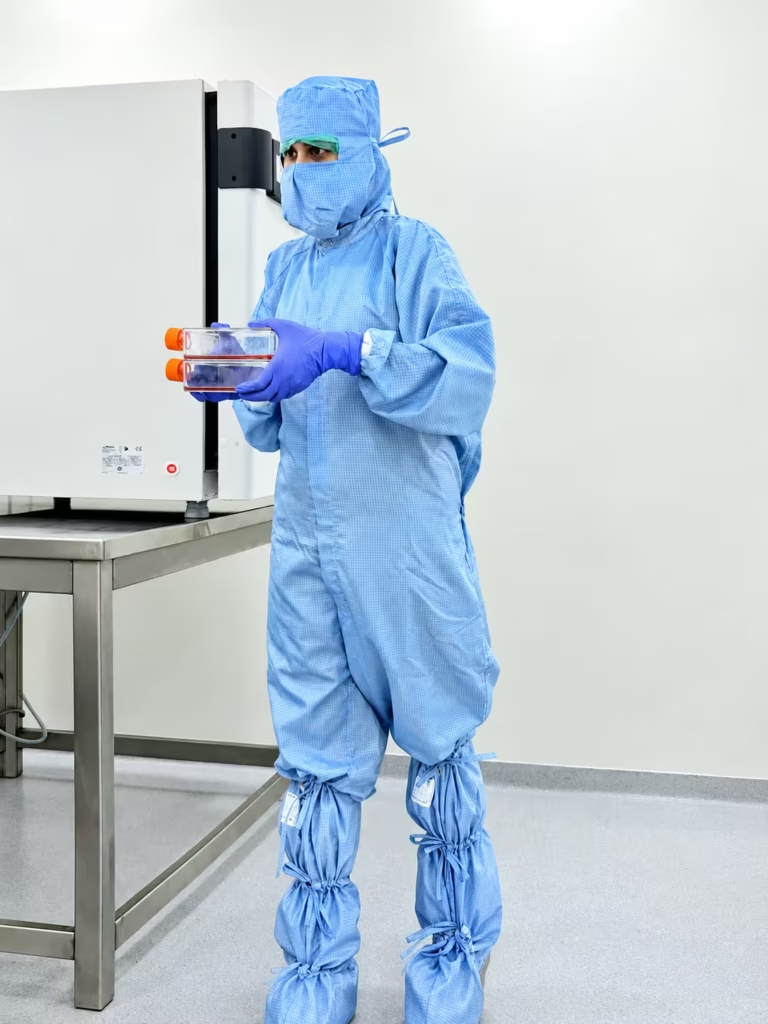
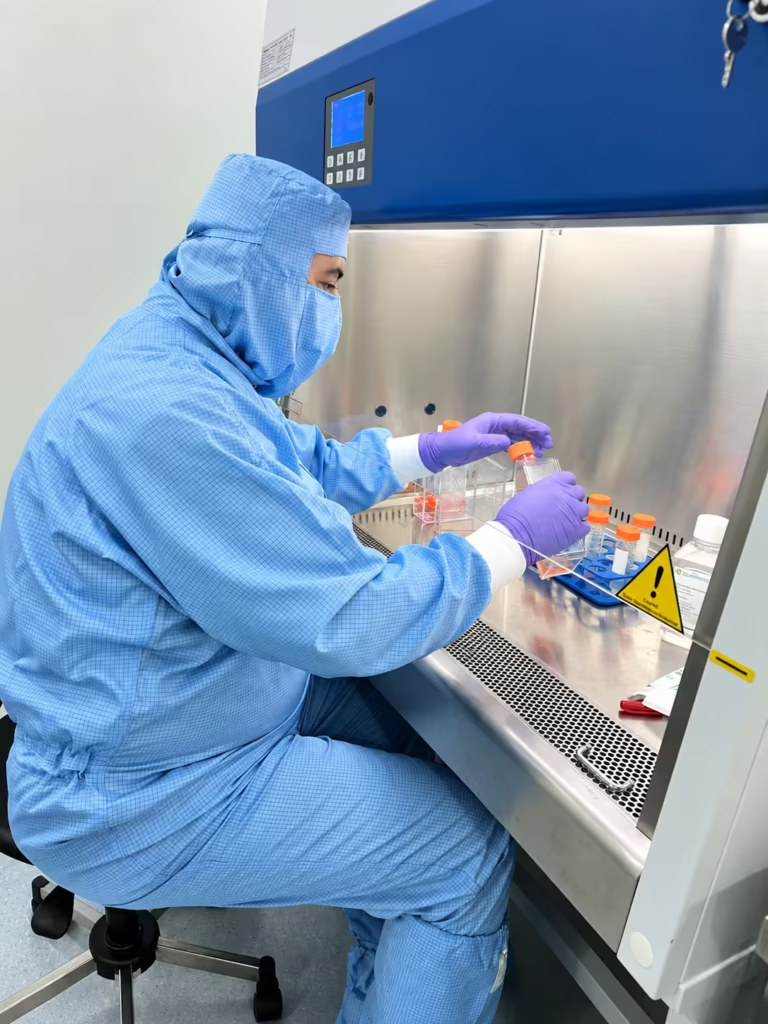
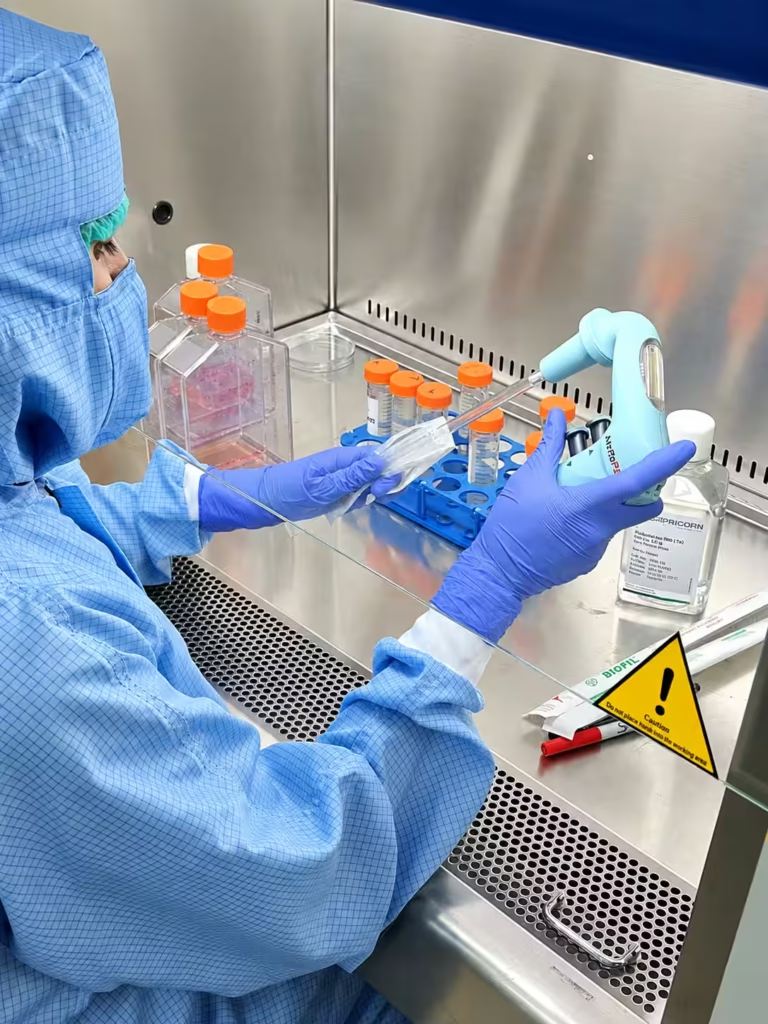
➤ Our MODERN LAB
iRM modern Regen Lab cell
➤ The Question Everyone Asks
Cost of Autism Stem Cell Treatment
Every child's protocol is personalized — so the cost also!
Autism treatment in Islamabad and across Pakistan with stem cell therapy is tailored to each child’s individual needs. The overall treatment plan depends on the child’s condition, cell dose, number of sessions, and any additional therapies required. Request a free evaluation and receive a written, itemized treatment plan and quote before making any commitment.
- No hidden fees — itemized quote before you decide
- Free initial evaluation for eligibility
- Payment plan options available on request
➤ What Families Report
Results & Family Experiences
Results of Autism treatment by Stem Cell Therapy can vary throughout individuals — no specific outcome can be promised. Families who complete the full program alongside consistent home therapy commonly report progress in:
- Reduced repetitive behaviors
- Improved eye contact
- Improved sitting behavior
- Better sleep and mood regulation
- Improved sensory regulation
- Better attention and focus
- Support for digestive health
- Improved command-following
- Improved response to name
- Better expression of needs and wants
In this video, a mother shares her real story about raising her autistic child. With her permission, we are sharing her story while keeping her and her child’s identity private, as promised. Every child has a different journey. Let’s listen, understand, and support autistic children and their families.
➤ Who This Is For
Serving Families From Islamabad to all of Pakistan & Worldwide
IRM is located at 397-Kortana, Opposite Gate 4, DHA Phase 2, providing the Advance autism treatment in Islamabad with assessment and stem cell therapy options for children and families from Islamabad, Rawalpindi, and across Pakistan.
Families from Lahore, Faisalabad, Multan, and across Pakistan travel to Islamabad for the one-month autism treatment program. Plan for a short stay or repeat visits during treatment. Our team can help you arrange your travel and treatment logistics in advance.
IRM welcomes international families from the UAE, the USA, the UK, and beyond. Contact us ahead of time to plan your child’s assessment and treatment dates around your travel window — we can guide you on visa, travel, and accommodation logistics.
➤ In His Own Words
Dr. Salman on Autism — Video Library
➤ Meet Your Specialist
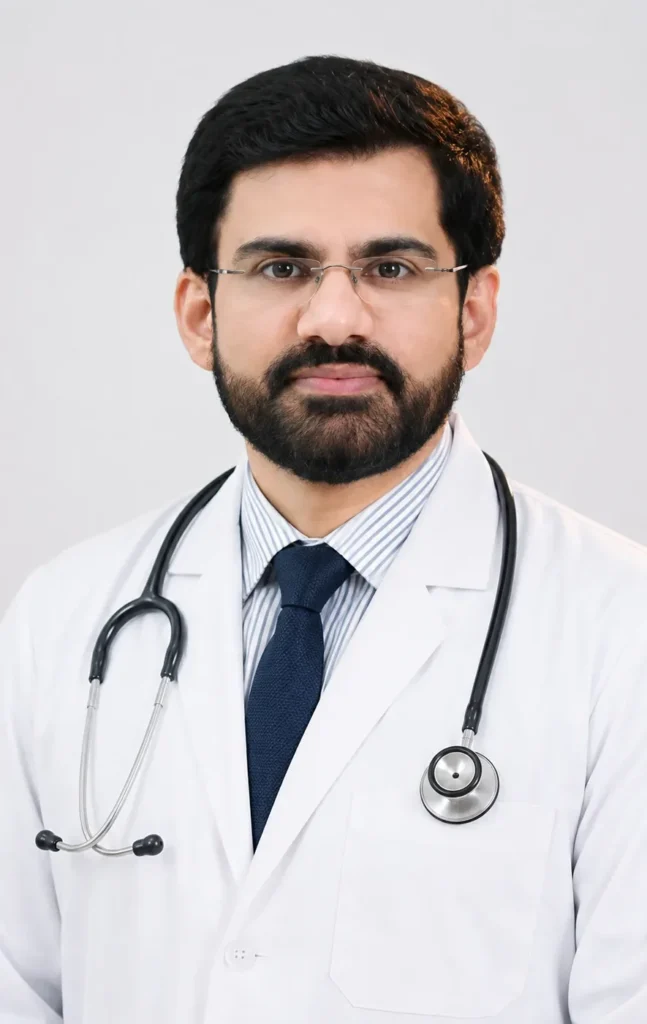
Dr. Syed Salman Naeem Gilani
Dr. Syed Salman leads IRM’s stem cell department at IRM Hospital, guiding families from initial consultation through post-treatment recovery, with a specific focus on regenerative protocols for neurological and developmental conditions. Read his full profile, or message his coordinator directly for your case.
“At IRM Hospital, we understand the profound impact of Autism Spectrum Disorder on individuals and families. Stem cell therapy is a promising field of research with the potential to improve communication, social interaction, and repetitive behaviors in individuals with ASD. While still under development, early results are encouraging.”
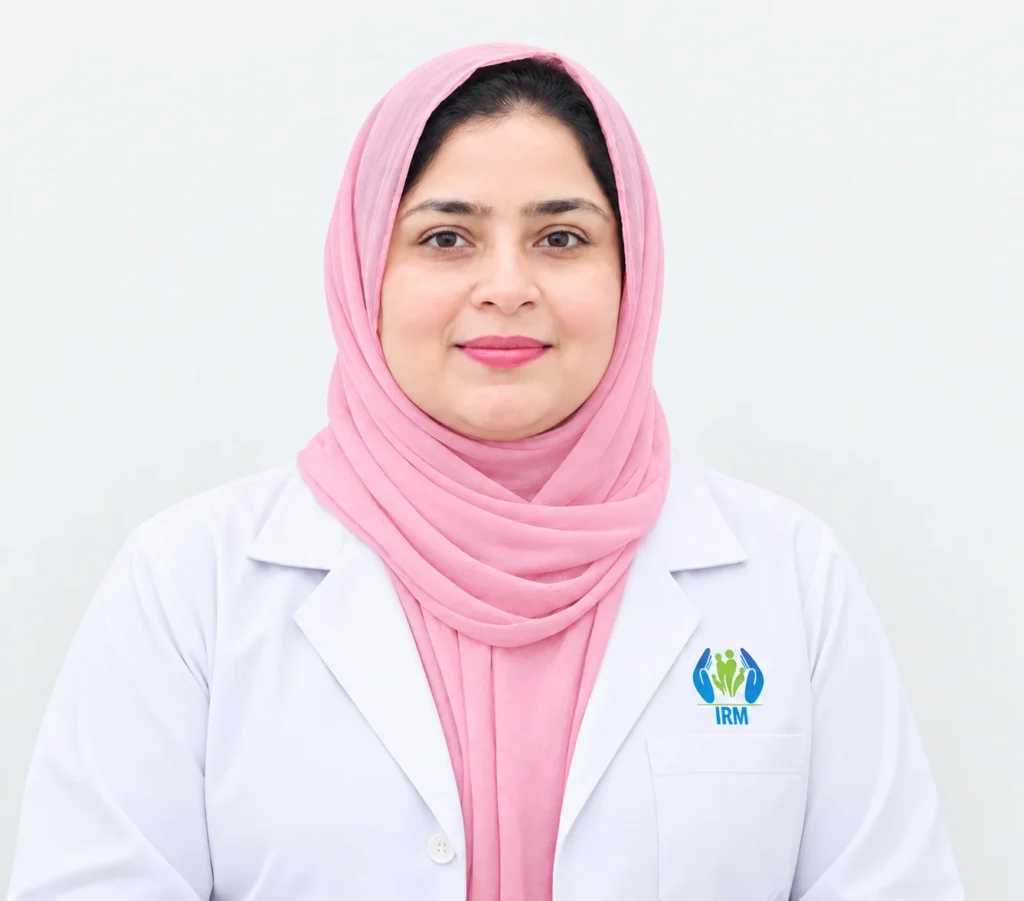
Dr. Faiza Bukhari
Master’s in Psychology, ABA Therapist, CBT-Trained Professional in AFIRM
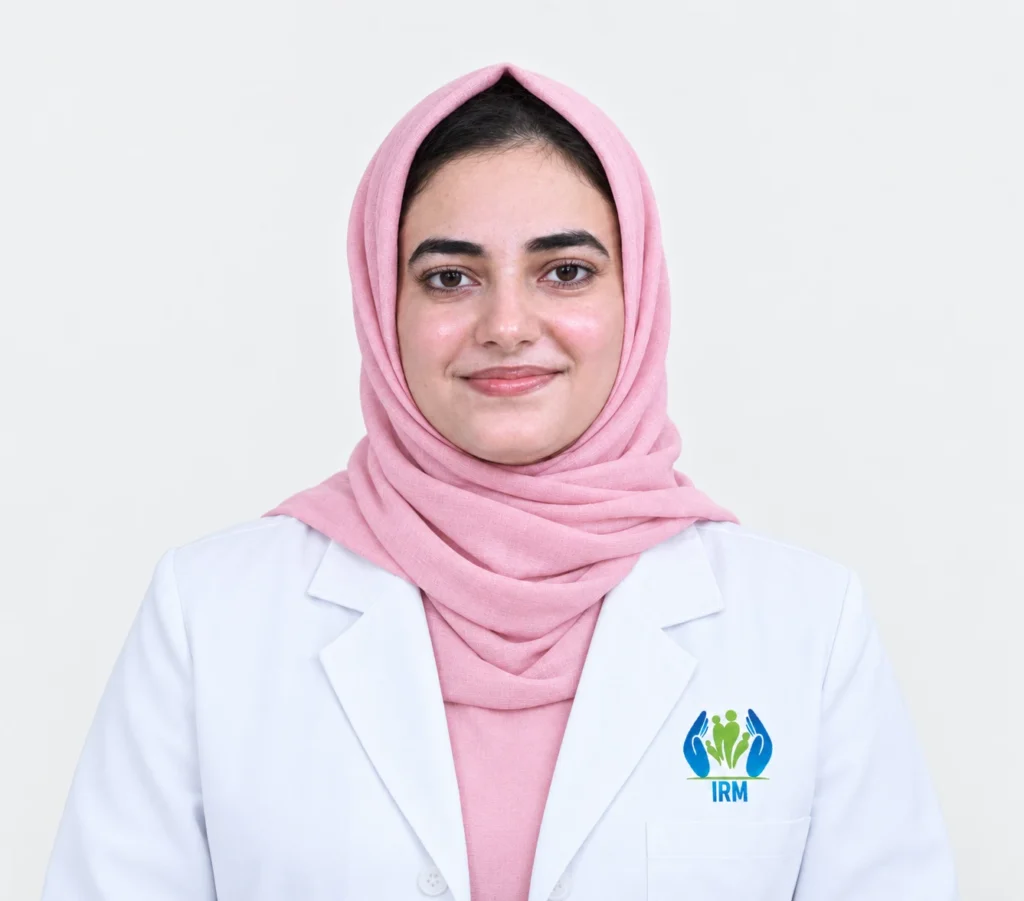
Dr. Wajeeha Gull
DDNS ( Dr. Of dietetics and nutritional sciences) from the University of Lahore
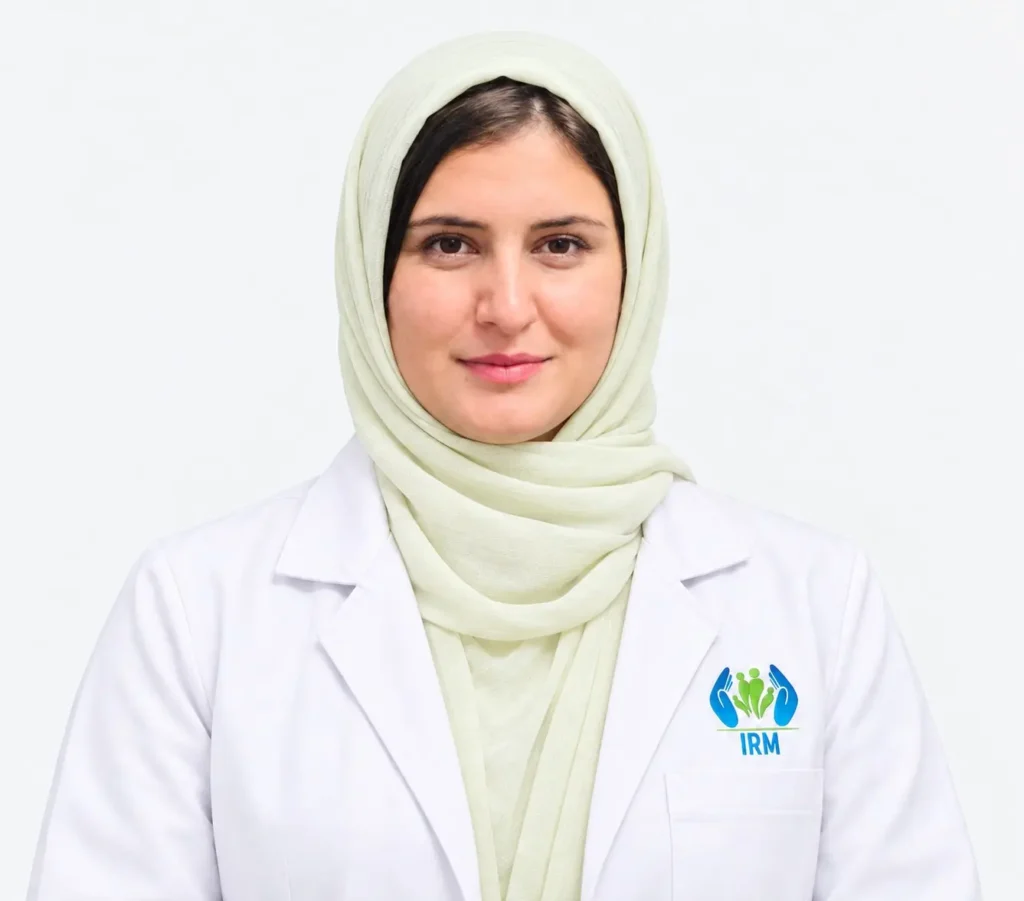
Dr. Nida Fatima
BS – Speech & Language Pathology, (R.I.U)C, Clinical Practice in IIMCT & R.I.H
➤ Straight Answers
Frequently Asked Question's
Straight answers to the questions every parent asks before choosing a treatment path — written to be easy to scan.
Can an autistic child live a normal life?
Yes — many autistic children grow into independent, socially connected adults, especially with early diagnosis and consistent therapy. “Normal life” means functional independence and real relationships, not the disappearance of autism itself.
How do you treat a child with autism?
Most specialists recommend combining Applied Behavior Analysis (ABA), speech therapy, and occupational therapy, started as early as possible. IRM adds stem cell therapy as an additional layer of support alongside these therapies, not instead of them.
How can the risk of autism be reduced?
There is no proven way to prevent autism, since its exact causes are not fully understood. Good prenatal care and early developmental screening after birth are the most evidence-based steps a family can take.
What is the latest treatment for autism?
Alongside established therapies like ABA and speech therapy, stem cell and exosome therapy is an emerging option some families explore. At IRM it is always combined with, never used instead of, conventional therapy.
What is the most successful treatment for autism?
There is no single “most successful” treatment — outcomes are best when therapies are combined and started early. ABA and speech therapy have the longest track record; stem cell therapy is used as additional support on top of that foundation.
How soon do families see results after stem cell therapy?
Most families who complete the full program alongside consistent home therapy report the first noticeable changes around 6 months post-treatment, with some improvements continuing closer to 9 months. Results vary by child, and no clinic can guarantee a specific outcome.