
➤ Specialist-Led ALS Care in Islamabad
ALS Treatment in Islamabad, Pakistan
Multidisciplinary care for amyotrophic lateral sclerosis at IRM Hospital, including a stem cell protocol led by Dr. Salman Naeem Gilani. Honest guidance, no cure claims.
➤ Led by a Specialist
Guided by Dr. Salman Naeem Gilani
Dr. Salman Gilani, Medical Director at IRM Hospital, leads IRM's stem cell protocol for ALS and explains the evidence and limits before any decision.

Specialist-Led Care

Reports Reviewed First

Hospital-Based Team

Family Support

Regular Follow-Up
➤ UNDERSTANDING ALS
What Is Amyotrophic Lateral Sclerosis (ALS)?
ALS is a progressive neurological disease that damages motor neurons. These nerve cells control movements such as walking, speaking and swallowing. It was formerly known as Lou Gehrig’s disease. ALS is rare, and it usually begins with weakness in one part of the body that then spreads.
What does it affect?
Motor neurons, the nerve cells in the brain and spinal cord that control voluntary muscles. As they are lost, muscles weaken.
Is there a cure?
No. No known treatment stops or reverses ALS. Approved medicines and good supportive care can slow decline and improve quality of life.
Is it inherited?
Usually not. A genetic cause is found in about 10% of people with ALS.
How is it diagnosed?
No single test confirms ALS. Doctors combine history, a neurological examination and tests that rule out other conditions.
➤ SIGNS AND SYMPTOMS
Common Signs of ALS
Early Signs
- Weakness in a hand, arm, leg or the neck
- Tripping or dropping things often
- Muscle twitching and cramps
- Tight, stiff muscles
Speech and Swallowing
- Slurred or nasal speech
- A weaker or changed voice
- Trouble swallowing
As ALS Progresses
- Weakness spreading to other body areas
- Increasing need for help with daily tasks
- Breathing difficulty as breathing muscles weaken
When to see a doctor: these signs can also have other causes, so ALS cannot be confirmed from symptoms alone. See a doctor if weakness, twitching, or changes in speech or swallowing persist.
➤ CAUSES AND RISK FACTORS
What Causes ALS?
Cause Unknown in Most People
In most people with ALS, no specific cause is found. Researchers continue to study how genetic and environmental factors combine.
Genetics
About 10% of cases are linked to a gene change, and several genes (such as SOD1) are known. Families with a history of ALS can ask their doctor about genetic counselling.
Other Factors Under Study
Exposure to certain metals or chemicals, traumatic injuries, viral infections and intense exertion have been studied. None is proven to cause ALS on its own.
Can ALS be prevented? There is currently no known way to prevent ALS.
➤ DIAGNOSIS
How Is ALS Diagnosed?
There is no single test for ALS. Diagnosis takes several steps and rules out other conditions first.
If you already have reports, bring them. We review what you have so that tests are not repeated unnecessarily.

History and Neurological Exam
Your doctor reviews when symptoms began and how they changed, then tests strength, reflexes, walking, speech and swallowing.

EMG and Nerve Conduction Studies
These tests measure how well your nerves and muscles are working.

MRI of the Brain and Spine
MRI is mainly used to rule out other conditions that can look like ALS.

Blood and Urine Tests
These help exclude other causes of your symptoms.

Specialist Review
A neurologist may confirm the diagnosis. Genetic testing may be discussed, especially with a family history.
Amyotrophic Lateral Sclerosis (ALS) is a progressive neurodegenerative disease that affects nerve cells in the brain and spinal cord, leading to loss of muscle control. Despite being relatively rare, its impact on individuals and families is profound. This article delves into how IRM Hospital is at the forefront of ALS treatment, offering hope and advanced care to those affected.
➤ CARE AT IRM
Multidisciplinary ALS Care at IRM Hospital
ALS affects movement, speech, swallowing, nutrition and emotional wellbeing, so care works best when one team plans it together. The US National Institute of Neurological Disorders and Stroke (NINDS) notes that integrated multidisciplinary teams are best prepared to provide supportive care.
Specialist Review
Your diagnosis, reports and symptoms are reviewed by the specialist team before a plan is made.
Medicines
Medicines such as riluzole and edaravone are prescribed by your doctor where suitable.
Physiotherapy
Exercise and positioning plans to help maintain movement, flexibility and comfort.
Occupational Therapy
Practical help with daily activities, with advice on aids that keep you independent.

Speech and Swallowing
Support for communication, voice and safe swallowing as needs change.

Nutrition
Dietary planning to help maintain weight, strength and energy.
Counselling and Support
Emotional support for patients and families, including support groups.

Education for Families
Clear information so you know what to expect and how to plan ahead.
➤ TREATMENT OPTIONS
What Treatments Exist for ALS?
No treatment stops or reverses ALS today. Some medicines can slow decline for some people, and supportive care makes a real difference to daily life. This table shows where each option stands.
| Option | What it is | Status |
|---|---|---|
| Riluzole | An oral medicine that reduces glutamate release | First FDA-approved ALS medicine (1995). May extend survival by a few months. |
| Edaravone | An antioxidant medicine given by IV infusion or taken by mouth | FDA-approved for ALS (2017). May slow the loss of physical function. |
| Tofersen | A gene-targeted medicine given into the spinal fluid | FDA-approved (2023) only for ALS caused by an SOD1 gene change, about 2% of cases. |
| Multidisciplinary supportive care | Physiotherapy, occupational and speech therapy, nutrition, breathing support and counselling | Standard of care. Aims to improve comfort, function and quality of life. |
| Stem cell therapy | Cell-based treatment, offered at IRM under a protocol led by Dr. Salman Gilani | Not an approved or established ALS treatment. Still under clinical research. |
Sources: US National Institute of Neurological Disorders and Stroke (NINDS), ALS Association, US FDA.
➤ STEM CELL THERAPY AT IRM
Stem Cell Therapy for ALS at IRM
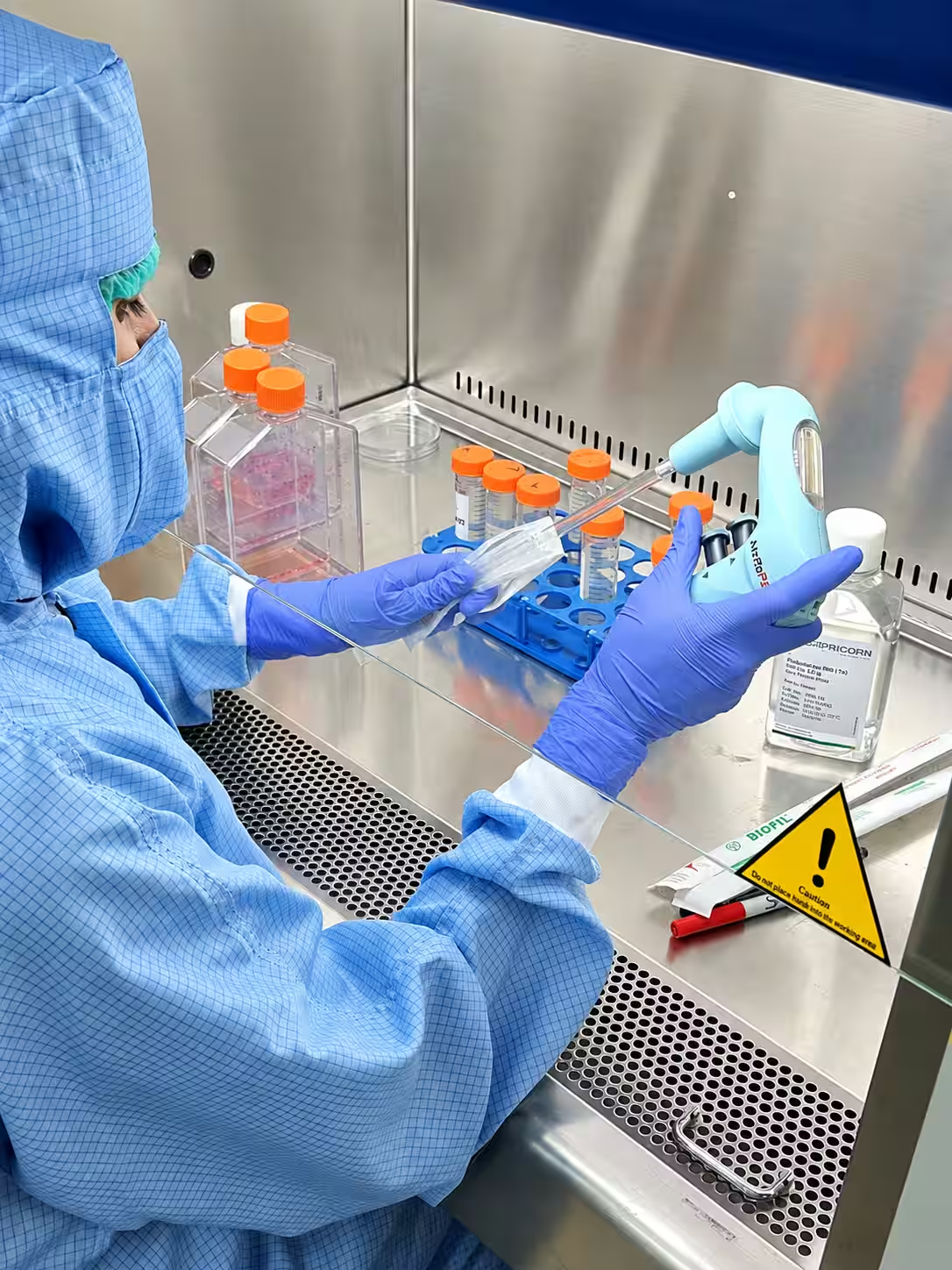
IRM offers a stem cell protocol for ALS, led by Dr. Salman Naeem Gilani, after a specialist assessment and alongside supportive care.
Please note: stem cell therapy is not an approved ALS treatment and is still being studied. We cannot promise to stop, reverse or cure ALS. Your doctor explains the benefits, risks and limits before you decide.
➤ BEFORE YOU DECIDE
Questions to Ask About Any ALS Treatment
Ask for the Evidence
Ask what research supports the treatment for your type and stage of ALS. A responsible clinic explains this openly. Regulators such as the US FDA advise the same.
Ask About Risks
Every procedure has risks. Ask what they are, how they are managed and who stays with you throughout.
Keep Your Core Care Going
Medicines, physiotherapy, nutrition and breathing care remain the foundation of ALS management, whatever else you choose.
➤ OUR MODERN LAB
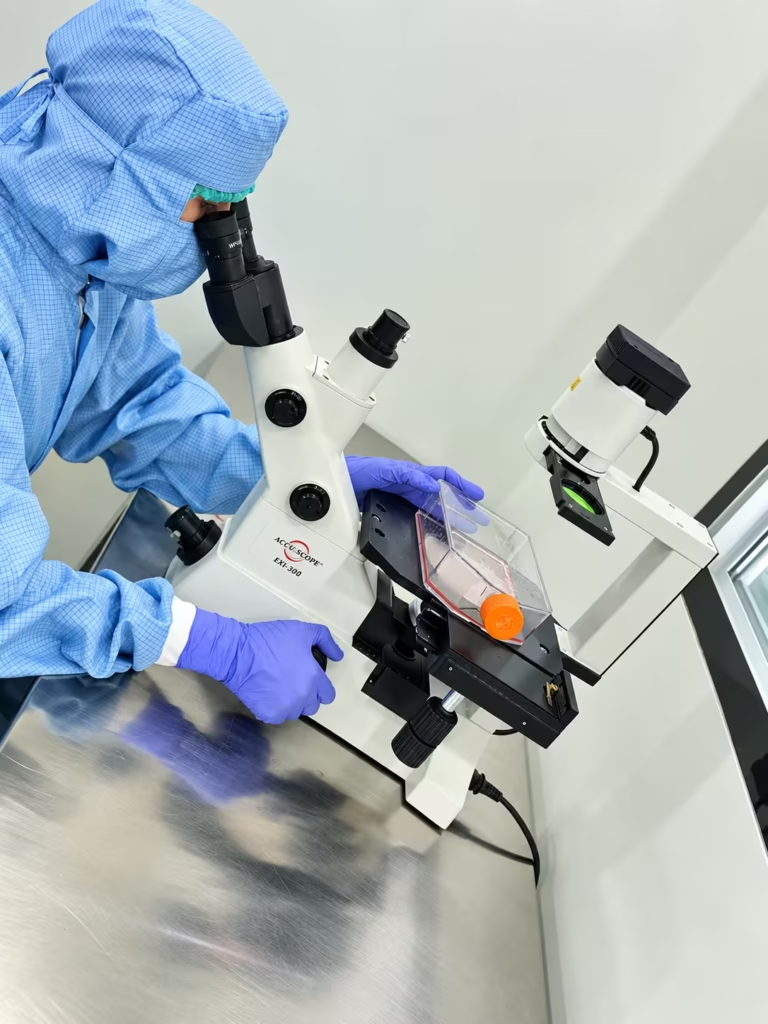
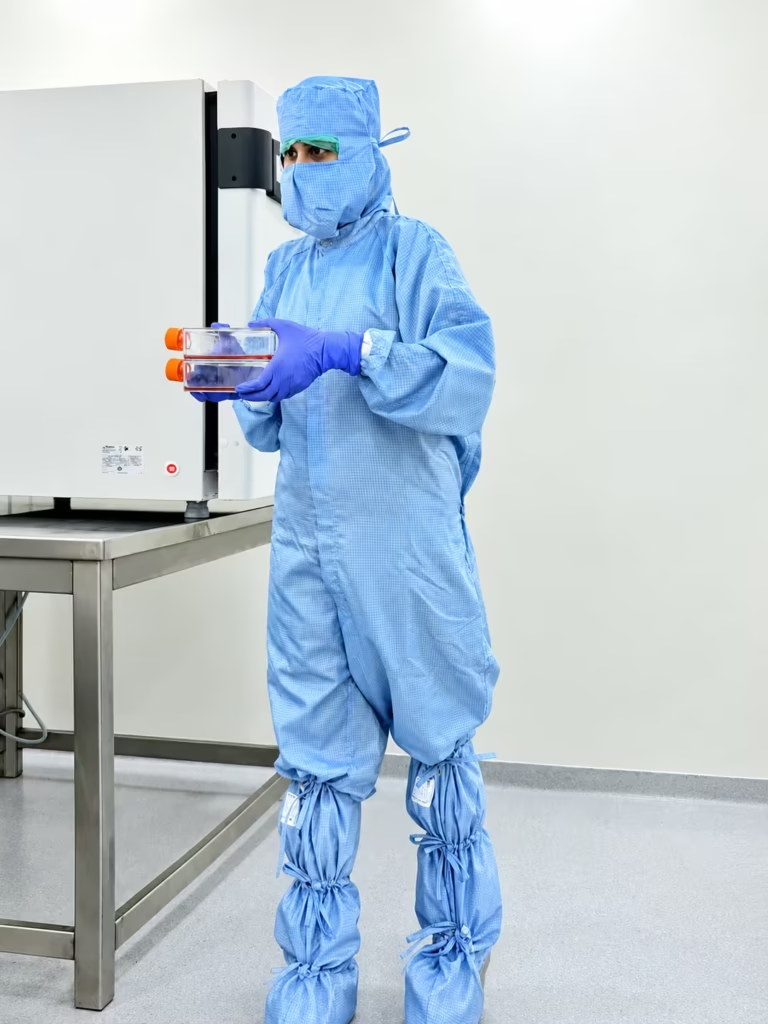
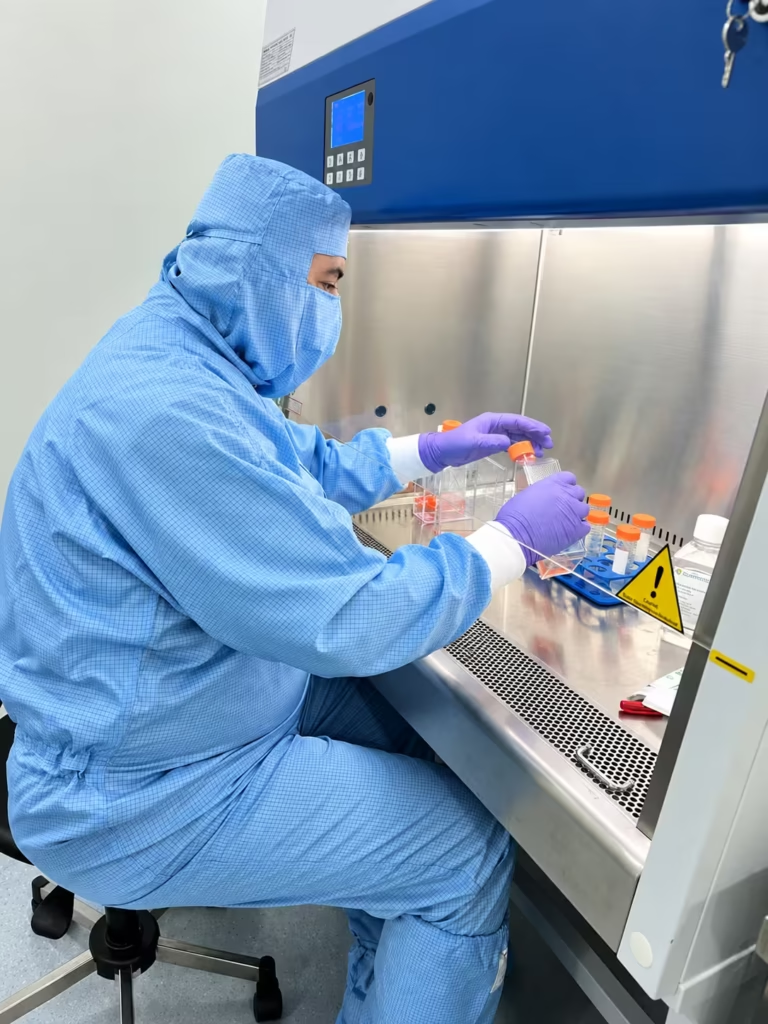
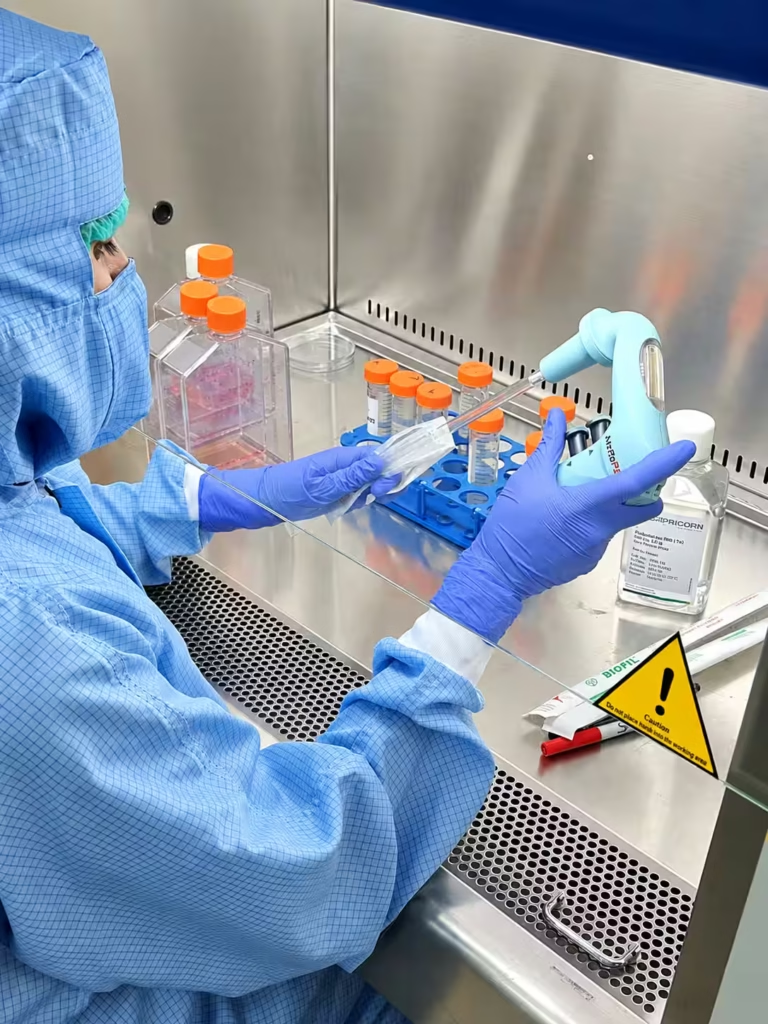
Inside IRM's Regen Cell Bio Laboratory
IRM has its own cell and tissue laboratory, where cell products are prepared and quality-tested. Learn more at Regen Cell Bio.
➤ MEET YOUR SPECIALIST
The Team Behind Your ALS Care
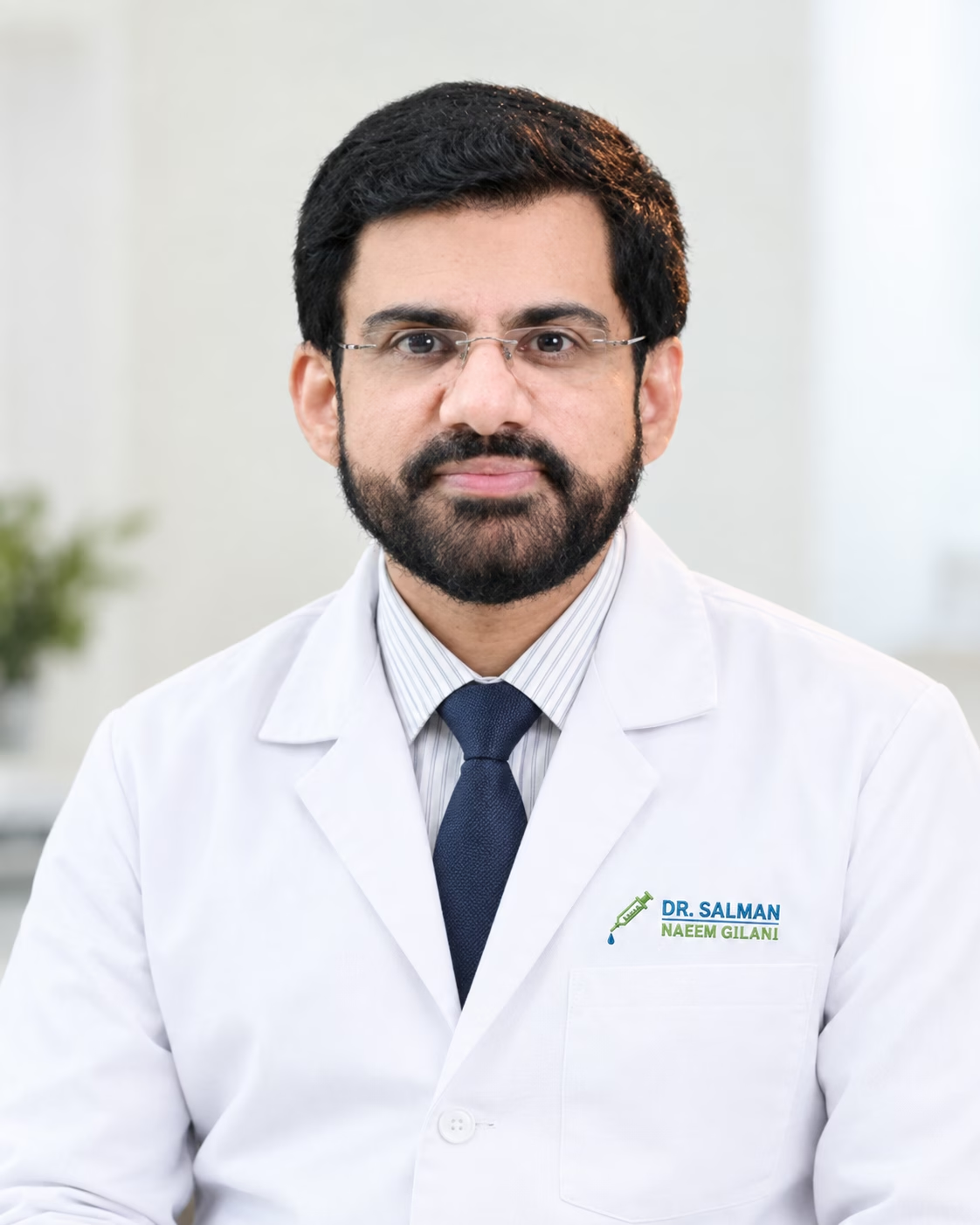
Stem Cell Consultant
Dr. Salman Gilani
M.B.B.S, M.D (USA), FACP
Leadership & Roles
- Medical Director, IRM Hospital
- Dean, IRM Medical College
- Diplomate, American Board of Regenerative Medicine (ABRM)
- Diplomate, American Academy of Anti-Aging Medicine (A4M)
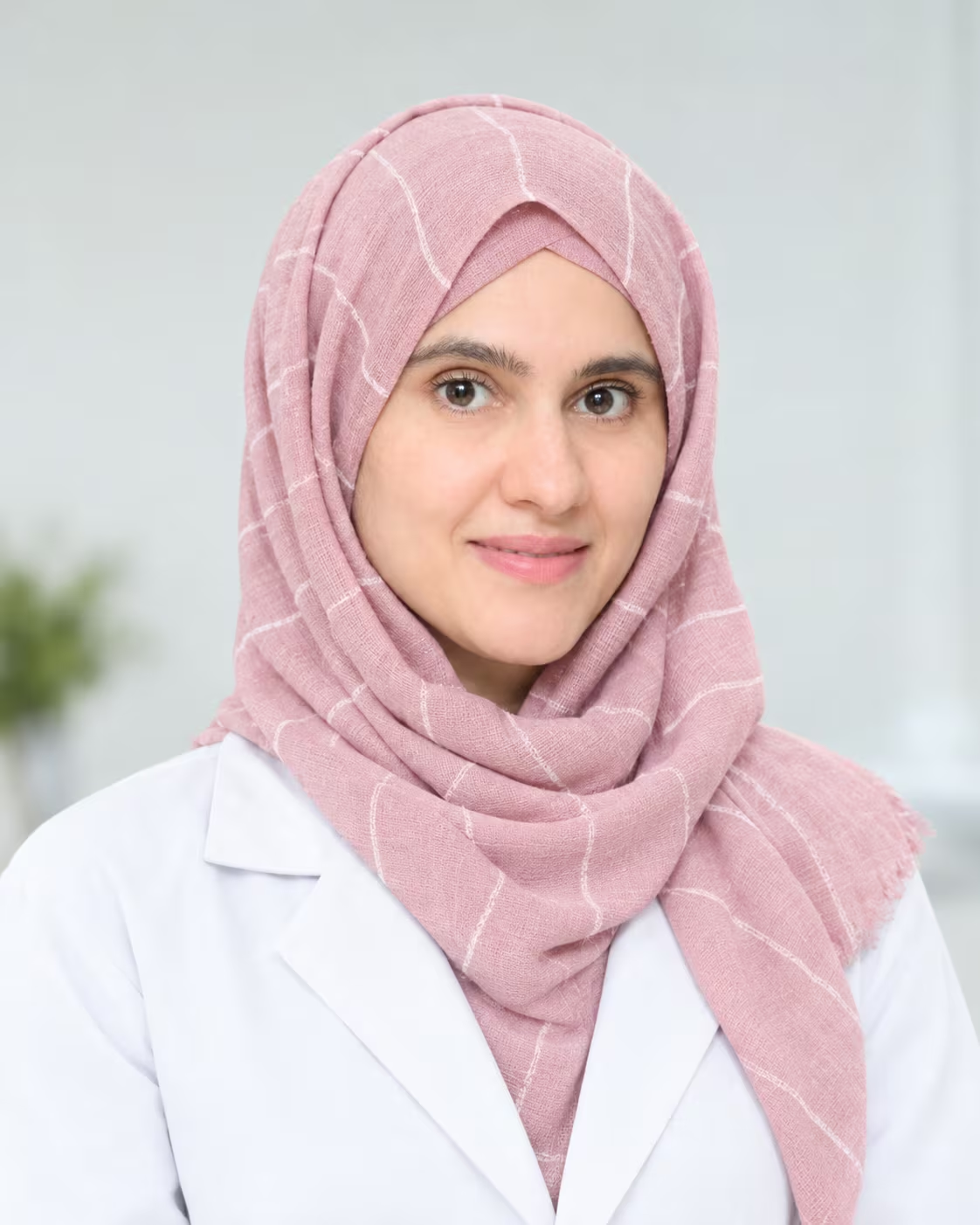
Director, Regen Cell Bio
Dr. Sidra Bokhari
DDU (Pakistan), RDMS (USA), POCUS (USA)
Roles & Certifications
- Diplomate, ABRM
- Genetics & Genomics — Stanford
- Tissue & Cell Culture — Ankara
- Regenerative Medicine Specialist
➤ SUPPORTING TEAM
Therapists and Nutrition Support
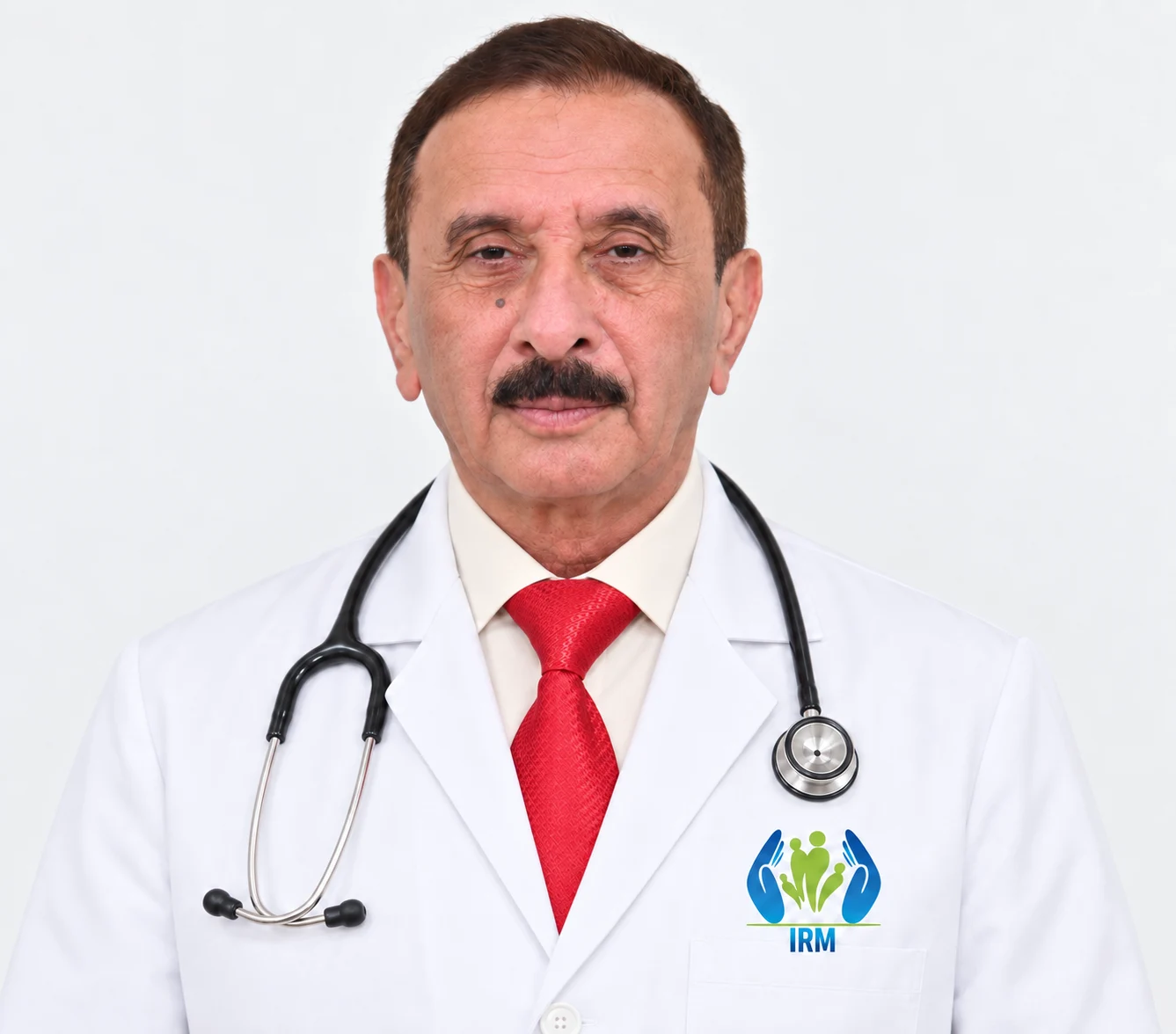
Physiotherapist
Malik Naeem
B.S (PT), M.Phil (PPDPT), M.S (NMPT), PGD Pain Management (HSA)
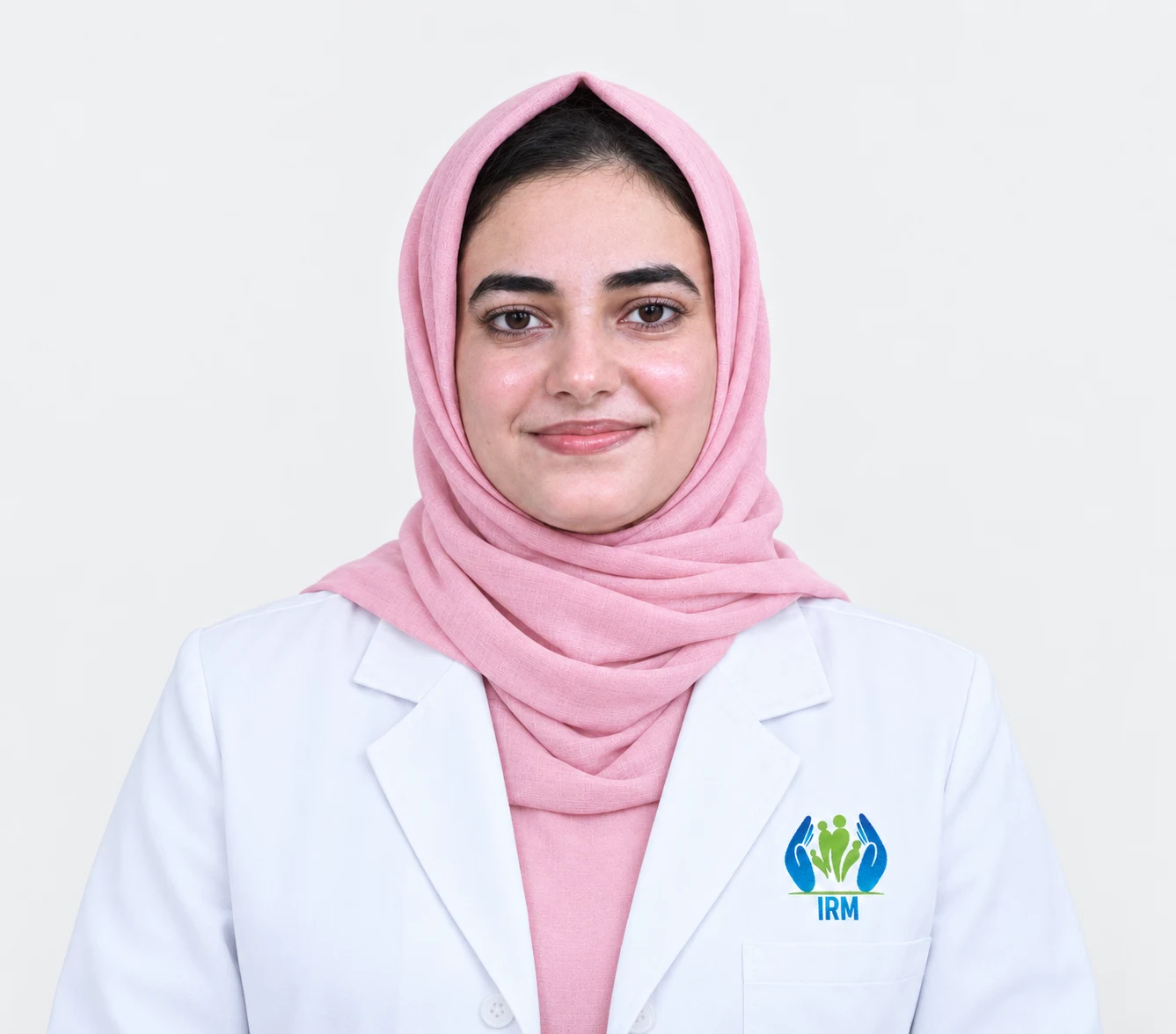
Nutritionist
Wajeeha Gull
DDNS (Dr. of Dietetics and Nutritional Sciences), University of Lahore
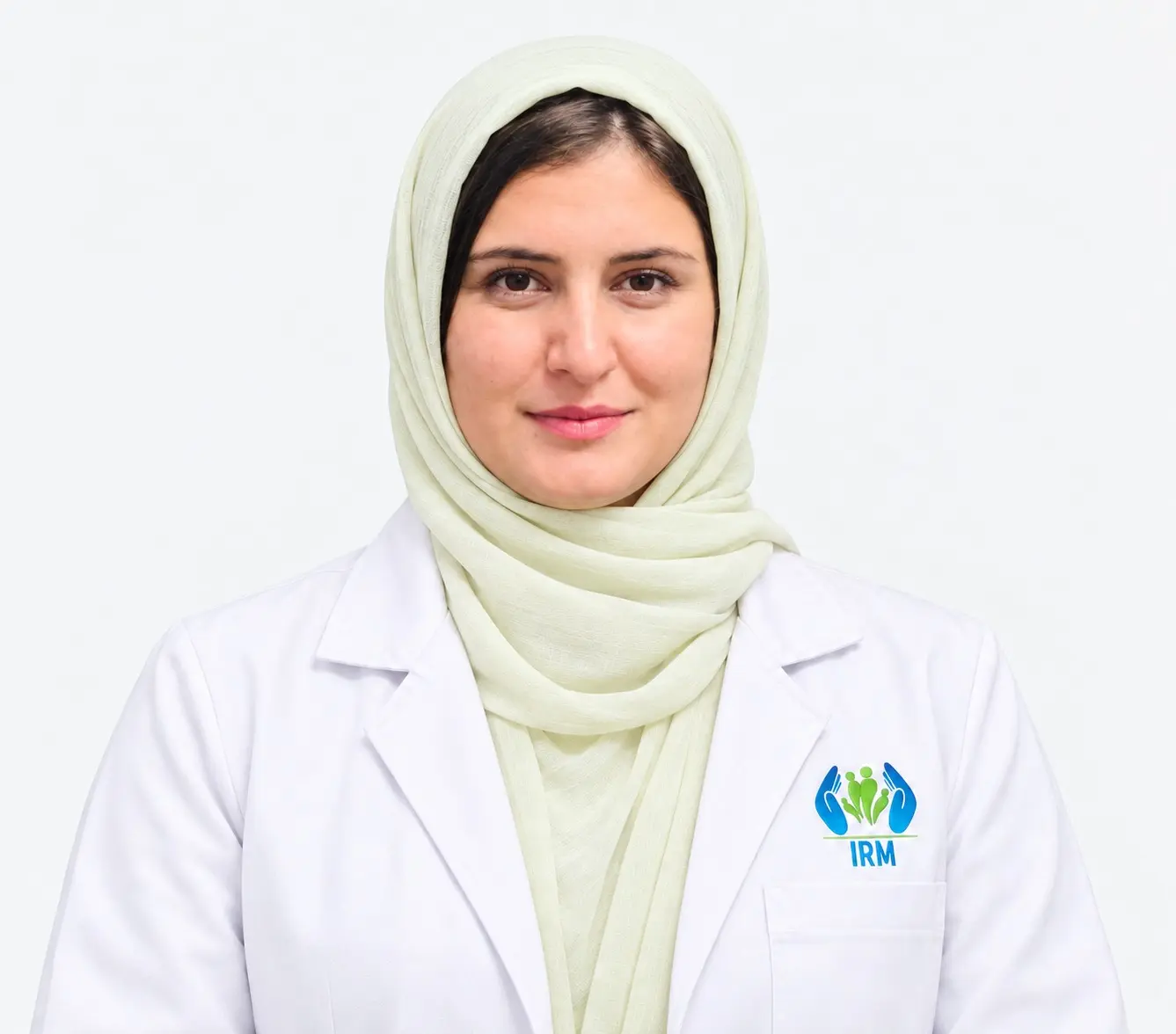
Speech Therapist
Nida Fatima
BS – Speech & Language Pathology, (R.I.U)C, Clinical Practice in IIMCT & R.I.H
➤ SUPPORT FOR FAMILIES
You and Your Family Do Not Face ALS Alone
Counselling
Professional emotional support for patients and families as they adjust to an ALS diagnosis.
Support Groups
Meet others facing similar challenges and share practical experience.
Educational Resources
Clear, practical information for patients and caregivers on what to expect and how to plan.
➤ WHAT TO EXPECT
Your ALS Care Pathway at IRM Hospital
Share Your Reports
Send previous reports (MRI, EMG, blood tests) and your medicine list through the form or WhatsApp.
Speak With Our Team
Our coordinator arranges your consultation and answers your first questions.
Assessment and Tests
The specialist reviews your history and advises any further tests that are needed.
Your Care Plan
You receive a personalised plan, with every option explained honestly, including its evidence and limits.
Regular Follow-Up
Care is reviewed and adjusted as your needs change.
➤ BOOK AN ASSESSMENT
Send Us Your ALS Query
- 397-Kortana, Opposite Gate 4, DHA Phase 2, Islamabad
- Hospital: +92 331 4367367
- Coordinator (WhatsApp): +92 336 4367367
- contact@irmsc.com
➤ COMMON QUESTIONS
ALS Treatment FAQs
What is ALS and how does it affect the body?
ALS is a progressive disease of the motor neurons, the nerve cells in the brain and spinal cord that control voluntary muscles. As these cells are lost, muscles weaken. It was formerly called Lou Gehrig’s disease.
What are the first signs of ALS?
Often weakness in a hand, arm, leg or the neck, muscle twitching or cramps, stiffness, or slurred speech. These signs can have other causes, so a specialist assessment is needed.
Is ALS curable?
No. No known treatment stops or reverses ALS. Approved medicines may slow decline, and multidisciplinary care can improve comfort and quality of life.
How is ALS diagnosed?
No single test confirms ALS. Doctors review your history, examine you, and use tests such as EMG and nerve conduction studies, MRI, and blood and urine tests to rule out other conditions.
Which medicines are used for ALS?
Riluzole and edaravone are approved by the US FDA for ALS. Riluzole may extend survival by a few months. Tofersen is approved only for ALS caused by an SOD1 gene change, which is about 2% of cases. Your doctor advises what suits you.
Does IRM offer stem cell therapy for ALS?
Yes. IRM runs a stem cell protocol for ALS, led by Dr. Salman Naeem Gilani, after a specialist assessment. It is not an approved or established ALS treatment and is still being studied. We explain the evidence, risks and limits before you decide.
Can stem cell therapy cure ALS?
No. There is no cure for ALS, and we do not promise one. Research results so far have been mixed, and results can differ from person to person.
What does multidisciplinary ALS care involve?
Physician review, medicines where suitable, physiotherapy, occupational therapy, speech and swallowing support, nutrition, and counselling for patients and families, all planned together.
How long can a person live with ALS?
It varies widely. An average of 2 to 5 years after diagnosis is often quoted, but some people live much longer. Your care team can discuss what to expect in your own situation.
Can ALS be prevented?
There is currently no known way to prevent ALS. Families with a history of ALS can ask their doctor about genetic counselling.
What should I bring to the first visit?
Previous reports (MRI, EMG, blood tests), a list of current medicines, and notes on when symptoms began and how they have changed.
Do you see patients from outside Islamabad?
Yes. We welcome patients from Punjab and across Pakistan. Send your reports through the form or WhatsApp first, and our team will advise the next step.
Prefer to Talk to Someone First?
Message our coordinator on WhatsApp or call the hospital. Tell us about the patient’s symptoms and any reports you have. Your information stays confidential.
Related care: Cerebral palsy treatment · Muscular dystrophy treatment · Dr. Salman Gilani · IRM Hospital
Disclaimer: This page is for information only and is not a substitute for medical advice. Treatment at IRM Hospital is offered only after a specialist assessment. Stem cell therapy is not an approved or established treatment for ALS, and results vary between patients. Sources: NINDS, Mayo Clinic, ALS Association, US FDA.