
➤ Autoimmune Care in Islamabad
Autoimmune Disease Treatment with Stem Cells in Islamabad
Specialist assessment and stem cell treatment for autoimmune conditions at IRM Hospital, alongside your regular care. Stem cell therapy for these conditions is still being studied.
➤ Know the Evidence
Hope, Explained Honestly
We explain what research shows, what it does not yet show, and how stem cell treatment fits with your medicines and your own specialist.
➤ Get the Right Diagnosis
Understand Your Condition Before You Decide
Autoimmune diseases can be hard to diagnose. A specialist reviewing your symptoms and test results is the first step.

Specialist Assessment

Test Review

Stem Cell Treatment

Honest Guidance

Follow-Up Care
➤ UNDERSTANDING AUTOIMMUNE DISEASE
What Is an Autoimmune Disease?
An autoimmune disease happens when the immune system attacks the body’s own tissues by mistake. Depending on the condition, this can involve the joints, skin, thyroid, kidneys, nerves or other organs.
This page explains common autoimmune conditions, how they are diagnosed and treated, and what research on stem cell therapy does and does not show.
What goes wrong?
The immune system, which normally fights germs, mistakenly attacks the body’s own healthy tissue.
How many diseases?
More than 80 autoimmune diseases are known. Each one affects different parts of the body.
Who is affected?
They can affect anyone, but women are affected far more often than men, and they often begin in adulthood.
Can they be cured?
Most are long-term (chronic) conditions. Many can be controlled with treatment, and symptoms often flare up and settle.
➤ COMMON CONDITIONS
Common Autoimmune Conditions
These are some of the more common autoimmune conditions. The list is not complete, and treatment depends on the exact diagnosis.
Rheumatoid Arthritis
Causes pain, swelling and stiffness in the joints, often on both sides of the body. Left uncontrolled, it can damage the joints.
Lupus (SLE)
Can affect the skin, joints, kidneys and other organs. Symptoms vary widely and tend to come in flares.
Psoriasis and Psoriatic Arthritis
Psoriasis causes red, scaly skin patches. Some people also develop joint pain and swelling, called psoriatic arthritis.
Thyroid Disease (Hashimoto's and Graves')
Hashimoto’s usually leads to an underactive thyroid. Graves’ disease leads to an overactive thyroid.
➤ SIGNS AND CAUSES
Symptoms and Causes
General Symptoms
- Tiredness that does not improve with rest
- Low-grade fever
- General aches and poor energy
Joints and Muscles
- Joint pain, swelling and stiffness
- Muscle aches and weakness
- Stiffness that is worse in the morning
Skin and Other Signs
- Rashes or scaly patches
- Hair loss
- Numbness or tingling
- Digestive problems or unexplained weight change
Genes
A family history of autoimmune disease raises the risk, although most relatives are not affected.
Environment
Infections, smoking and some exposures may trigger disease in people who are already susceptible.
Hormones
Many autoimmune diseases are more common in women, and may begin around puberty, pregnancy or menopause.
Unknown Triggers
The exact cause is often not known, and there is no known way to prevent most autoimmune diseases.
Flares and remission: symptoms often come and go. A worsening period is called a flare-up, and a period of improvement is called remission. These symptoms can also be caused by other illnesses, so see a doctor rather than self-diagnosing.
➤ DIAGNOSIS
How Are Autoimmune Diseases Diagnosed?
There is usually no single test for autoimmune disease, and symptoms overlap with many other illnesses. It can take time and visits to more than one doctor. Bring any reports you already have so that tests are not repeated.

History and Examination
Your doctor asks about symptoms, family history and medicines, and examines your joints, skin and other areas.

Blood Tests
Tests such as CRP and ESR look for inflammation. Others look for specific antibodies, depending on the suspected condition.

ANA Test
The antinuclear antibody (ANA) test is often done first. A positive result alone does not confirm a disease, because some healthy people also test positive.

Follow-Up Tests and Imaging
Further antibody tests, urine tests, X-rays or ultrasound may be needed to find which condition you have.

Specialist Review
A rheumatologist or the relevant specialist combines the results to reach a diagnosis and plan treatment.
➤ STANDARD CARE
How Autoimmune Diseases Are Treated
The goals of treatment are to control the autoimmune process, keep the body able to fight infection, and reduce symptoms. These treatments remain the foundation of care. Never stop or change a prescribed medicine on your own.
| Treatment | What it does | Role |
|---|---|---|
| Anti-inflammatory medicines | Reduce pain and swelling, for example NSAIDs. | Symptom relief |
| Corticosteroids | Quickly calm inflammation and immune activity. Usually used short term or at the lowest effective dose because of side effects. | Control flares |
| Immunosuppressants and disease-modifying medicines | Reduce the immune system's attack on the body. Your specialist chooses the medicine for your condition. | Control the disease over the long term |
| Pain relief | Medicines and other measures to manage pain. | Comfort and function |
| Physical therapy | Exercises that keep joints and muscles moving and strong. | Support daily function |
| Stem cell therapy | Mesenchymal stem cells are being studied for their immune-calming effects. | Still under study. Not a replacement for the treatments above |
➤ THE EVIDENCE
Stem Cell Therapy for Autoimmune Disease: What Research Shows
Stem cell therapy for autoimmune disease is promising but still being studied. It is not a proven cure, and it is not a replacement for standard treatment.
| What research looks at | What it shows so far |
|---|---|
| How MSCs may work | Mesenchymal stem cells (MSCs) can calm immune activity and inflammation, which is why they are being studied in autoimmune disease. |
| Safety | Systematic reviews of trials, including in rheumatoid arthritis, report a favourable safety profile with no life-threatening events, though follow-up is often short. |
| Benefit | Some trials in conditions such as rheumatoid arthritis, lupus and inflammatory bowel disease suggest possible improvement. Reviews say larger, well-designed trials are still needed to confirm benefit and long-term safety. |
| A different treatment | Autologous hematopoietic stem cell transplantation is a separate procedure that uses chemotherapy. It is recognised only for selected severe, treatment-resistant cases, such as multiple sclerosis, systemic sclerosis and Crohn's disease, at accredited transplant centres. |
| Standard of care | Mesenchymal stem cell therapy is not yet an established, guideline-recommended treatment for these conditions. Guidelines advise that other experimental cell therapies be used within clinical trials. |
Sources: published systematic reviews and meta-analyses of mesenchymal stem cells in autoimmune and rheumatic disease (2022, 2023, 2025), Clinical Progress in MSC Therapy for Rheumatic Diseases (2025), EBMT guidelines on autologous HSCT.
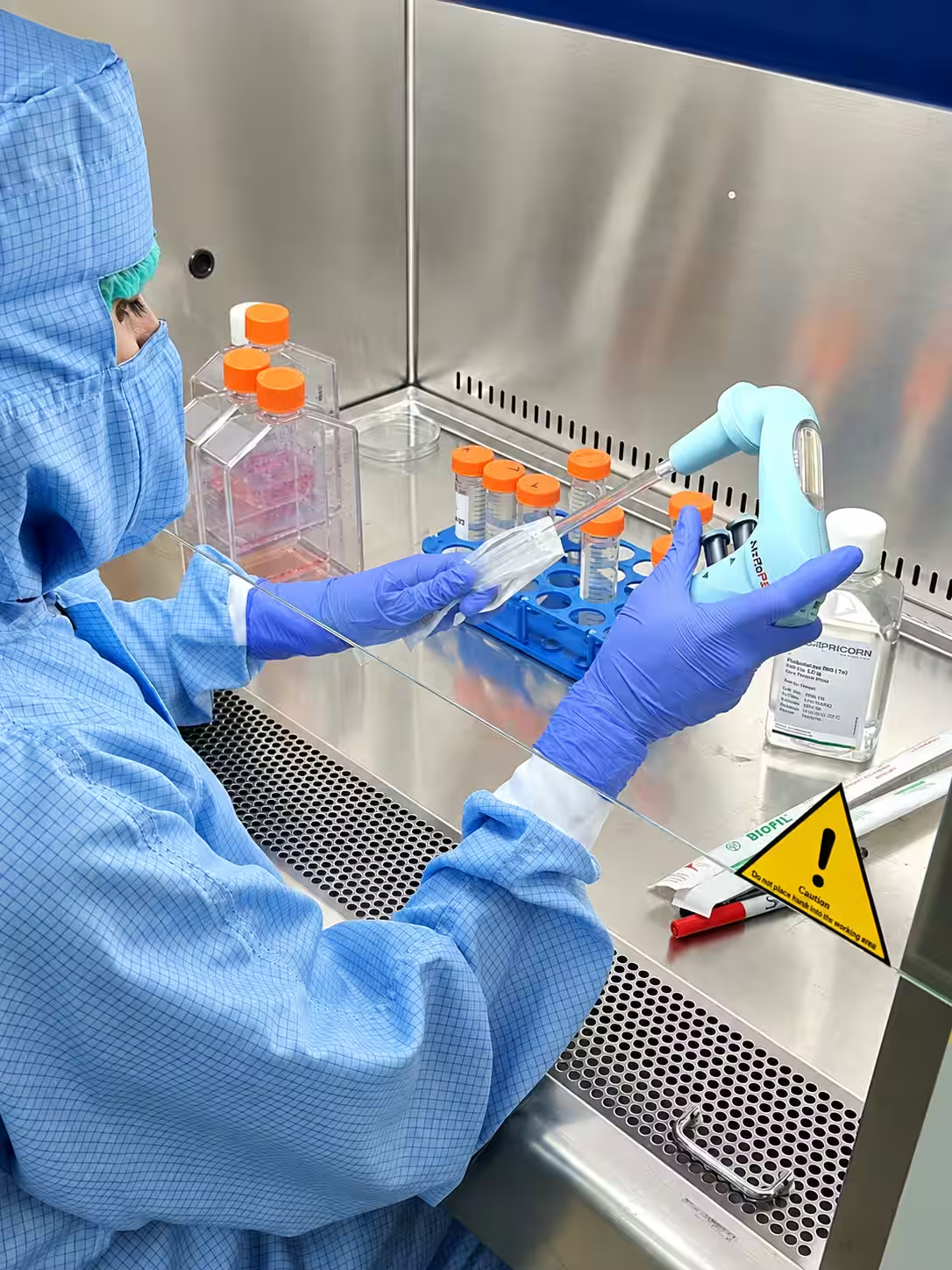
➤ STEM CELL TREATMENT AT IRM
Stem Cell Treatment for Autoimmune Conditions at IRM
IRM Hospital offers stem cell treatment for autoimmune conditions after a specialist assessment of your diagnosis, reports and overall health. It is offered alongside your regular treatment, never instead of it.
Please note: results vary, improvement is not guaranteed, and the long-term benefits are still being studied. Your doctor explains the benefits, risks and limits before you decide.
➤ YOUR JOURNEY
What to Expect at IRM Hospital
Send your latest reports first, so that the assessment is focused and tests are not repeated unnecessarily.
Send Your Reports
Share your diagnosis, recent blood tests, imaging and a list of your current medicines.
Specialist Assessment
The doctor reviews your condition, history and medicines, and checks whether treatment may suit you.
Honest Discussion
You hear the evidence, the possible benefits and risks, and the limits, so you can decide with confidence.
Treatment, If Suitable
If you go ahead, the cell treatment is planned and given by the medical team.
Follow-Up
Your progress is reviewed, and you continue regular care with your own specialist.
➤ MEET YOUR SPECIALIST
The Team Behind Your Care

Stem Cell Consultant
Dr. Salman Gilani
M.B.B.S, M.D (USA), FACP
Leadership & Roles
- Medical Director, IRM Hospital
- Dean, IRM Medical College
- Diplomate, American Board of Regenerative Medicine (ABRM)
- Diplomate, American Academy of Anti-Aging Medicine (A4M)

Director, Regen Cell Bio
Dr. Sidra Bokhari
DDU (Pakistan), RDMS (USA), POCUS (USA)
Roles & Certifications
- Diplomate, ABRM
- Genetics & Genomics — Stanford
- Tissue & Cell Culture — Ankara
- Regenerative Medicine Specialist
➤ BOOK AN ASSESSMENT
Submit Your Details with Us
- 397-Kortana, Opposite Gate 4, DHA Phase 2, Islamabad
- Hospital: +92 331 4367367
- Coordinator (WhatsApp): +92 336 4367367
- contact@irmsc.com
➤ COMMON QUESTIONS
Autoimmune Stem Cell Treatment FAQs
What is an autoimmune disease?
It is a condition in which the immune system mistakenly attacks the body’s own healthy tissue. More than 80 autoimmune diseases are known, and they can affect the joints, skin, thyroid, kidneys, nerves and other organs.
What causes autoimmune diseases?
The exact cause is often unknown. Genes, environmental triggers such as infections and smoking, and hormones are thought to play a part. There is no known way to prevent most autoimmune diseases.
Which conditions does this page cover?
It focuses on common conditions such as rheumatoid arthritis, lupus, psoriasis and psoriatic arthritis, and thyroid disease (Hashimoto’s and Graves’). Contact us about other conditions, and the doctor will advise.
Can stem cells cure an autoimmune disease?
No. Stem cell therapy for autoimmune disease is still being studied. Early research is encouraging and shows a favourable safety profile, but larger trials are needed. No outcome can be promised.
Does IRM offer stem cell treatment for autoimmune conditions?
Yes. IRM offers stem cell treatment after a specialist assessment, alongside your regular treatment. The doctor explains the evidence, risks and limits first.
Can stem cell therapy replace my medicines?
No. Stem cell therapy is not a replacement for your prescribed medicines. Never stop or change them without advice from your own specialist.
Is this the same as a bone marrow (hematopoietic) transplant?
No. Hematopoietic stem cell transplantation is a separate procedure that involves chemotherapy and is used only for selected severe cases at accredited transplant centres. Mesenchymal stem cell therapy is a different approach, and it is still under study.
Is it safe? What are the risks?
Reviews of clinical trials report a favourable safety profile, but long-term safety is not yet fully known. Possible risks include a reaction during infusion, infection and discomfort at the procedure site. Your doctor explains the risks for you.
Who may not be suitable?
Some conditions, such as active infection, may make treatment unsuitable, so your doctor reviews your reports and overall health first. Treatment is offered only to suitable patients.
How is an autoimmune disease diagnosed?
Usually with a history, examination and blood tests such as ANA, CRP and ESR, sometimes with imaging, reviewed by a specialist. A positive ANA alone does not confirm a disease.
What should I bring to my first visit?
Bring your diagnosis, recent blood test and imaging reports, and a list of your current medicines.
Do you see patients from outside Islamabad?
Yes. We welcome patients from Punjab and across Pakistan. Send your reports through the form or WhatsApp first and our team will advise the next step.
Prefer to Talk to Someone First?
Message our coordinator on WhatsApp or call the hospital. Tell us about your condition and share your latest reports. Your information stays confidential.
Related: Stem cell therapy · Dr. Salman Gilani
Disclaimer: This page is for information only and is not a substitute for medical advice. Treatment at IRM Hospital is offered only after a specialist assessment. Stem cell therapy for autoimmune conditions is still being studied, is not a replacement for prescribed medicines, and results vary between patients. Sources: MedlinePlus, Mayo Clinic, NIEHS, published systematic reviews.