Stem cell, exosome, PRP and cell-based therapies at IRM Hospital, Islamabad, prepared in our own lab and guided by specialists.
CEO & Medical Director of IRM Hospital, leading regenerative and stem cell care in Islamabad.
Stem cells and exosomes prepared and quality-tested at Regen Cell Bio, inside IRM Hospital.
➤ Understanding Regenerative Medicine
Regenerative medicine is a branch of medicine that aims to repair or replace damaged cells, tissues and organs, using the body’s own healing processes, living cells and biological products. Instead of only managing symptoms, it works to support the body’s ability to heal itself.
Treatments range from stem cell therapy and exosomes to platelet-rich plasma (PRP) and cell-based immunotherapy. At IRM Hospital, Institute of Regenerative Medicine, every regenerative treatment is offered only after a specialist assessment, and many cell products are prepared in our own laboratory, Regen Cell Bio.
Autologous: cells or blood taken from your own body, such as bone marrow, fat tissue or the plasma used in PRP.
Allogeneic: cells from a carefully screened donor source, such as umbilical cord tissue (Wharton’s jelly), placenta or amniotic fluid.
Your specialist explains which source suits your condition.
➤ How It Works
Regenerative therapies deliver living cells, or the signals they produce, to an injured or diseased area. These can help calm inflammation, support tissue repair and encourage the body’s own cells to work better.
Results differ from person to person, so every treatment plan at IRM starts with a full specialist assessment.
➤ Our Therapies
IRM Hospital offers a full range of regenerative treatments under one roof. Your specialist recommends a therapy only after reviewing your condition, medical history and test results.
Our main regenerative treatments. Stem cells, exosomes and immune cells are prepared in our own laboratory, and PRP is made from your own blood.
Stem cells can develop into specialised cells and release signals that support repair. Mesenchymal stem cells (MSCs), from bone marrow, fat, umbilical cord tissue or amniotic fluid, are the type most widely used in regenerative treatment. At IRM they are prepared and tested in our own lab.
Considered for: joint and cartilage problems such as osteoarthritis and avascular necrosis; neurological conditions such as autism, cerebral palsy, ALS and muscular dystrophy; autoimmune conditions, chronic kidney disease and post-COVID lung fibrosis. Each case is assessed individually.
Exosomes are tiny vesicles released naturally by cells. They carry proteins, growth factors and genetic messages (RNA) that help cells communicate. Our exosomes are prepared from umbilical cord stem cells and purified in our lab.
Considered for: hair loss, facial rejuvenation, joint conditions and anti-ageing, and as support alongside stem cell therapy.
Platelet-rich plasma (PRP) is made from a small sample of your own blood. It is concentrated to be rich in platelets and growth factors, then injected where it is needed.
Considered for: hair thinning, skin and facial rejuvenation, and joint pain and orthopaedic conditions.
Immunotherapy uses immune cells to help the body fight disease. Natural killer (NK) cells are immune cells that can recognise and destroy abnormal cells. In CAR-T therapy, a patient’s own T cells are engineered in the lab to recognise a specific target on cancer cells. Both are prepared at Regen Cell Bio.
Considered for: certain cancers (CAR-T is best established for some blood cancers), offered only to eligible patients after specialist assessment.
Treatments given through a drip or injection to support the body’s overall health and recovery, always after a medical review.
Vitamins, antioxidants and coenzymes delivered directly into the bloodstream through a drip, so they do not pass through the digestive system. Glutathione and vitamin C are antioxidants; NAD+ is a coenzyme found in every cell and involved in energy production.
Considered for: nutritional and antioxidant support, wellness and recovery, after a medical review.
Peptides are short chains of amino acids that act as signalling molecules in the body, and natural levels can fall with age. Specific peptides are chosen for a defined goal and used under medical supervision.
Considered for: recovery, wellness and age-related concerns, depending on the peptide chosen.
EBO2 stands for Extracorporeal Blood Oxygenation and Ozonation. In a procedure similar to dialysis, blood is circulated outside the body through a filter, treated with medical ozone and oxygen, and returned to the body.
Considered for: selected patients after specialist assessment. Scientific evidence for EBO2 is still developing.
Cultured skin and hair cells for repair and rejuvenation, plus gene therapy and 3D bioprinting, fields where science is moving fast and every case is assessed individually.
Skin and hair cells grown in our lab. Fibroblasts produce collagen and elastin that keep skin firm; keratinocytes form the skin’s outer layer and help wounds close; hair follicle cells are linked to hair growth.
Considered for: wrinkles and loose skin, scars, burns, wound healing and hair loss.
Gene therapy treats disease by replacing a faulty gene, switching off a gene that is not working properly, or adding a new gene. It is a specialised and fast-developing field.
Considered for: selected inherited and acquired conditions. Our specialists assess whether a gene-based approach, including clinical research options, may be appropriate.
3D bioprinting builds living tissue structures layer by layer, using cells and other biocompatible materials as “bio-inks”. Today it is used mainly in research, tissue engineering and drug testing.
Considered for: laboratory and research work. Clinical uses such as printed skin and bone grafts are still under development; it is not a routine patient treatment.
➤ Compare Therapies
| Therapy | What it uses | How it is given | Commonly considered for |
|---|---|---|---|
| Stem cell therapy | Mesenchymal stem cells | Injection into the affected area or IV infusion | Joints, cartilage, and some neurological & autoimmune conditions |
| Exosome therapy | Cell-derived vesicles | Injection into the affected area or IV infusion | Hair, skin, joints, anti-ageing |
| PRP therapy | Platelets from your own blood | Injection | Hair, skin, joint pain |
| Cell-based immunotherapy | NK cells / CAR-T cells | IV infusion | Certain cancers, case by case |
| IV therapy | Vitamins, antioxidants, NAD+ | IV drip | Wellness and recovery support |
| Peptide therapy | Specific peptides | As prescribed by your doctor | Recovery, wellness |
| EBO2 | Your own blood, ozone & oxygen | Circuit outside the body, similar to dialysis | Selected patients |
| Cultured skin & hair cells | Fibroblasts, keratinocytes, follicle cells | Applied or injected into the skin | Skin, scars, burns, hair |
| Gene therapy | Genes | Specialist protocol | Selected conditions |
Your specialist will advise which option, if any, suits your condition.
➤ Conditions
Regenerative medicine is used or being studied for more than 100 conditions, including osteoarthritis, tendon and ligament injuries, back pain, autoimmune diseases, neurological conditions such as autism and cerebral palsy, heart and lung disease, diabetes, eye diseases, skin wounds and blood disorders. Some uses are well established; others are still being researched, so suitability depends on each patient’s assessment.
Main groups of conditions treated with regenerative medicine
● Established ● Growing evidence ● Under research
Established: standard, approved treatment · Growing evidence: offered by specialist centres, results vary · Under research: being studied in clinical trials
A neurodevelopmental condition; cell therapy is offered alongside speech and behavioural therapies.
Movement disorders caused by early brain injury; treatment is combined with rehabilitation.
● Established
● Growing evidence
● Under research
● Growing evidence
● Under research
● Growing evidence
● Under research
● Under research
● Established
● Under research
● Established
● Under research
● Under research
● Under research
● Under research
● Established
● Growing evidence
● Under research
● Established
● Under research
● Under research
● Established
● Established
● Under research
Please note: not every condition listed is treated at IRM Hospital. Some, such as stem cell transplants for blood cancers or gene therapies for rare inherited diseases, are performed only in specialist transplant and cancer centres. Contact our team and we will tell you whether your condition can be assessed at IRM.
➤ Your Journey

We review your symptoms, medical history and previous reports.

Examinations and tests confirm whether treatment is suitable for you.

Your options, expected course, possible risks and costs are explained clearly before you decide.

Carried out by our team, with cell products prepared and tested in our own lab where needed.
➤ Inside Our Lab
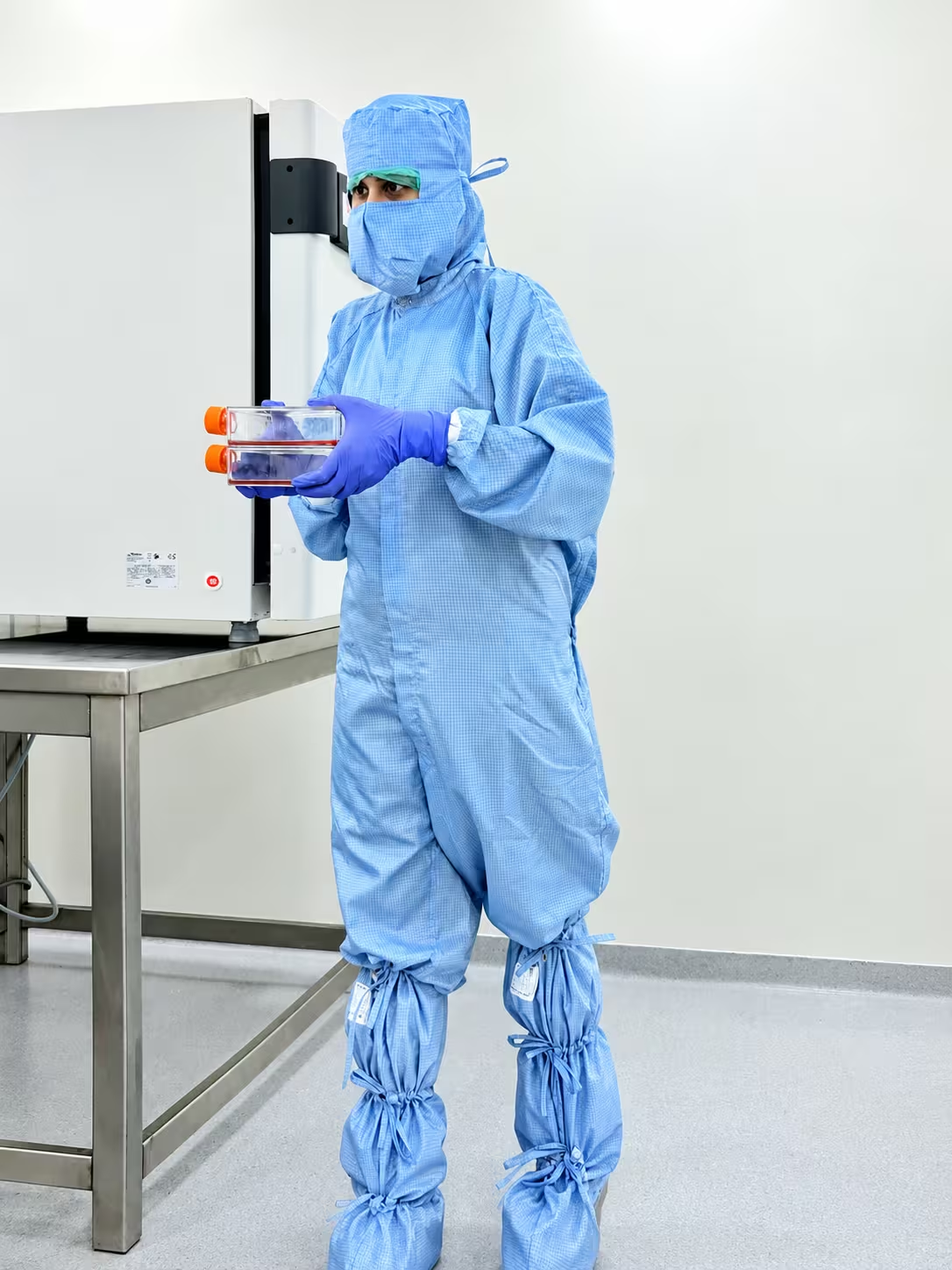
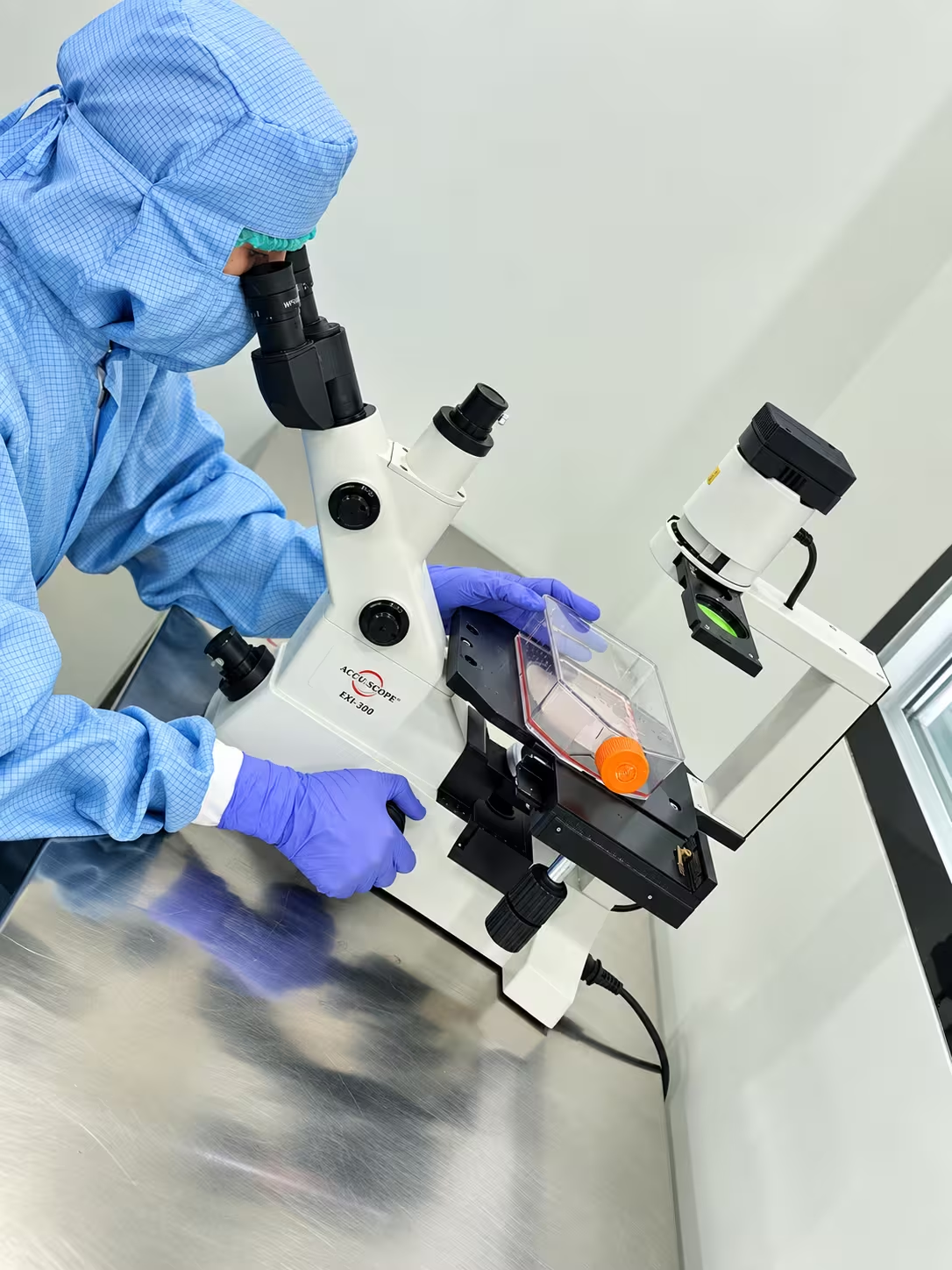
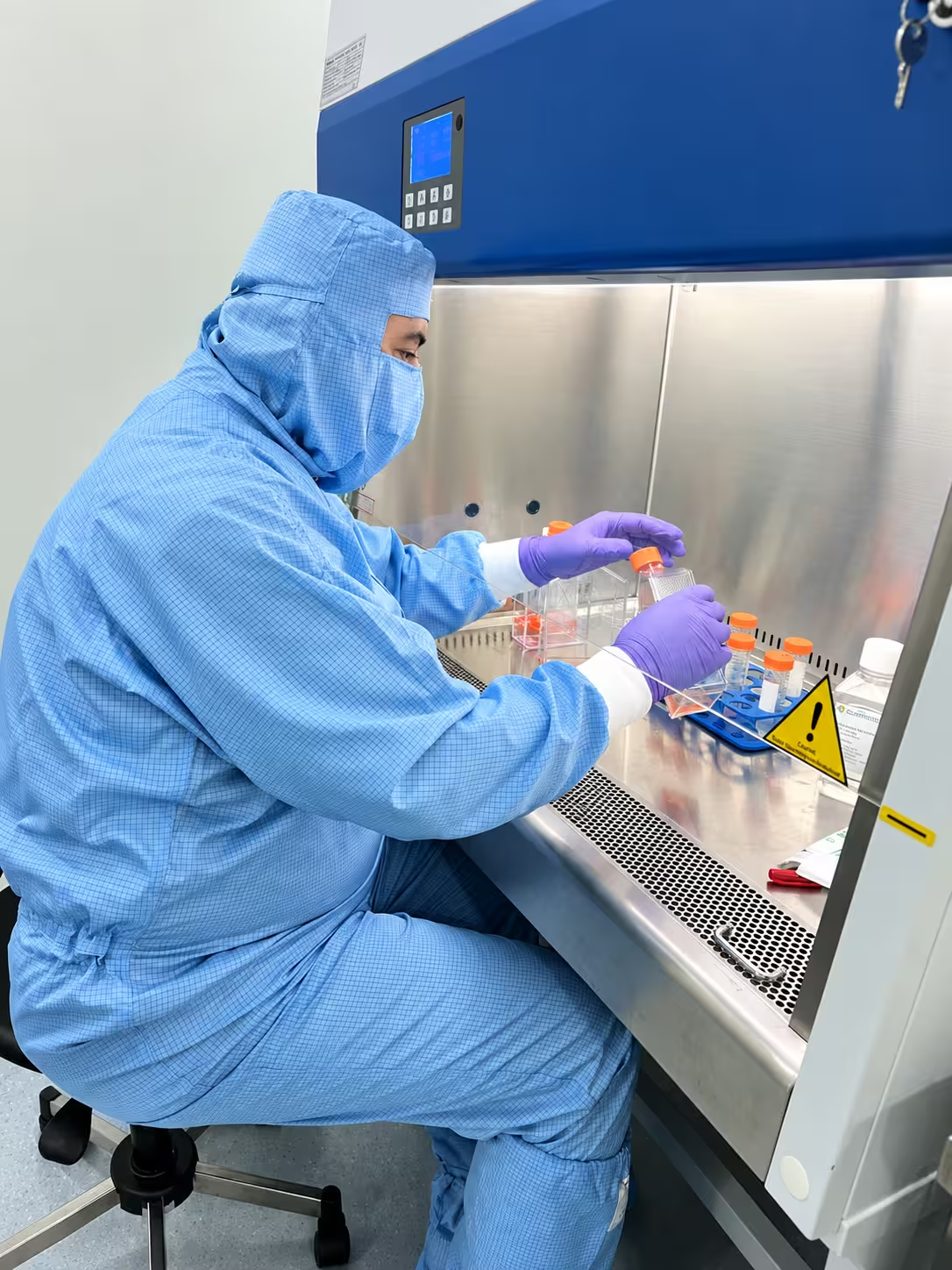
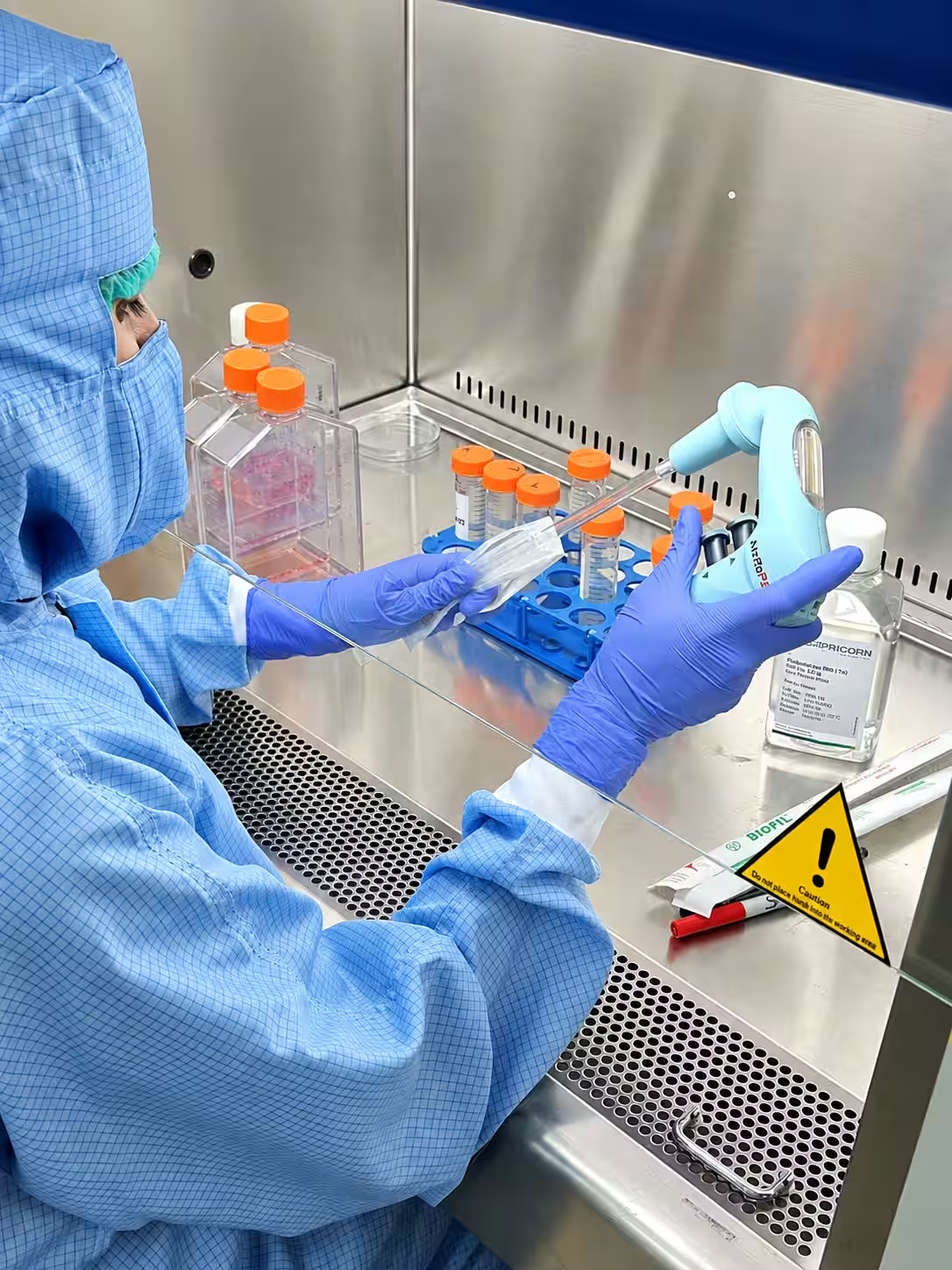
Established in 2019, Regen Cell Bio prepares the stem cells, exosomes and other cell products used at IRM Hospital. Our processes follow Good Manufacturing Practice (GMP) principles and the quality and safety standards of the EU Tissues and Cells Directive (2004/23/EC).
➤ Meet Your Specialists
CEO & Medical Director, IRM Hospital
Dr. Syed Salman Gilani leads regenerative and stem cell care at IRM Hospital, from the first consultation to follow-up.
“Regenerative medicine is about giving the body the right tools to heal. Every plan we make starts with an honest assessment of what can help each patient.”
Lab Director (In-charge), Regen Cell Bio Laboratory, IRM Hospital
Dr. Sidra Bokhari leads Regen Cell Bio, where the stem cells, exosomes and other cell products used at IRM are prepared and quality-tested. She medically reviewed this page.
➤ Safety First
Regenerative treatments are not suitable for everyone. Your specialist considers your diagnosis, overall health, medicines and test results before recommending any therapy.
Our commitment: many regenerative therapies are still being studied, and results vary between patients. We explain the evidence honestly, never promise a cure, and encourage you to ask questions. International regulators such as the US FDA also advise patients to ask about evidence and safety before any regenerative treatment.
Talk to our regenerative medicine team. We’ll review your reports and explain your options honestly.
➤ Watch & Learn
➤ FAQs
Regenerative medicine is a branch of medicine that aims to repair or replace damaged cells, tissues and organs using living cells and biological products such as stem cells, exosomes and platelet-rich plasma (PRP).
Yes. IRM Hospital in DHA Phase 2, Islamabad offers stem cell, exosome, PRP, cell-based immunotherapy and other regenerative treatments, supported by its own cell and tissue laboratory, Regen Cell Bio.
Stem cell therapy uses living cells; exosomes are the tiny messenger particles that cells release; PRP uses concentrated platelets from your own blood. Your specialist will advise which suits your condition.
Yes. Stem cells, exosomes and other cell products are prepared and quality-tested at Regen Cell Bio, IRM Hospital’s in-house laboratory, established in 2019.
Most treatments are injections or IV drips. Where a collection step such as bone marrow or fat harvesting is needed, it is done under local anaesthetic. Your care team explains what to expect for your procedure.
It depends on the therapy and the condition. Some patients notice changes over weeks to months, and your specialist explains realistic expectations before treatment.
Every treatment carries some risk. We reduce it through specialist assessment, donor screening and laboratory testing of every cell product, and we explain the evidence and possible side effects before you decide.
Call our coordinator on +92 336 4367367, or book through our appointments page at irmsc.com/appointments.
The information on this page is for general education and does not replace a consultation with a qualified doctor. Regenerative treatments are offered only after a specialist assessment; suitability, possible benefits and risks differ for each patient, and many cell therapies are still being studied in clinical research.