➤ Stem Cell Therapy in Islamabad
Specialist assessment, cells prepared in our own laboratory, and honest guidance on what stem cell therapy can and cannot do for your condition.
➤ Our Own Cell Laboratory
Regen Cell Bio, the cell laboratory inside IRM Hospital, prepares stem cells following GMP-based quality standards and testing.
➤ Led by Specialists
Every plan starts with a specialist review of your reports. We explain the evidence, the risks and the limits before you decide.





➤ UNDERSTANDING STEM CELL THERAPY
Stem cell therapy uses stem cells, or cells that come from stem cells, to repair or replace damaged cells and tissue. Stem cells can renew themselves and can develop into other types of cells.
Stem cell transplants are an established treatment for some blood and immune system conditions, such as leukaemia. For most other conditions, stem cell therapy is still being studied, and it is not a proven cure. At IRM Hospital it is offered only after a specialist assessment, and it does not replace standard care.
Cells that can renew themselves and develop into other cell types, helping the body repair and maintain tissue.
Sources include bone marrow, fat tissue, and birth-related tissue such as umbilical cord (Wharton’s jelly), placenta and amniotic fluid.
Cells can be the patient’s own (autologous) or come from a donor source (allogeneic). Your doctor explains which applies.
No. For most conditions, research is ongoing and results vary. A specialist explains what to expect for your condition.
➤ THE EVIDENCE
We think patients should hear this before anything else. Stem cell therapy is established for some blood conditions and still being studied for most others. At IRM, your doctor explains what research shows for your condition, and what it does not yet show.
| Area | Where the evidence stands |
|---|---|
| Blood and immune system disorders | Established. Blood-forming (haematopoietic) stem cell transplants are a recognised treatment for conditions such as leukaemia and some other blood disorders. |
| Most other conditions | Still being studied. Research is at different stages for each condition, and many treatments are not yet proven. |
| Regulation | Approvals are very limited. In the US, the first approved mesenchymal stem cell therapy (December 2024) is for children with steroid-refractory acute graft-versus-host disease after a blood stem cell transplant, and the FDA has not approved any exosome products. Rules differ between countries. |
| What this means for you | Ask what evidence supports a treatment for your condition, what the risks are, and get a second opinion if you wish. |
➤ HOW TREATMENT WORKS
The steps are the same for every condition. What changes is the cell source, the route and the plan, which are set for each patient by the doctor.

A specialist reviews your diagnosis, reports and overall health, and explains whether treatment may suit you.

Cells are collected and prepared in our laboratory, with identity, sterility and quality checks.

If you go ahead, cells are given by the route chosen for your condition, such as injection, IV infusion, nebulizer or intranasal.

Your progress is reviewed, and your regular care and rehabilitation continue.
➤ SOURCES AND ROUTES
The right source and route depend on the condition. Your doctor decides after your assessment, and explains the reasons.
Cells taken from bone marrow, including mesenchymal stem cells (MSCs) and mononuclear cells (MNCs).
MSCs obtained from fat tissue.
MSCs from donated umbilical cord tissue.
MSCs from donated placental tissue and amniotic fluid.
Cells are placed at or near the site being treated, for example a joint.
Cells are given through a vein, so they circulate in the body.
Cells are given as a fine mist breathed in through the mouth or nose, mainly for lung conditions. Your doctor explains when this route is considered.
Related regenerative treatments: Exosome therapy · PRP therapy · All regenerative medicine at IRM
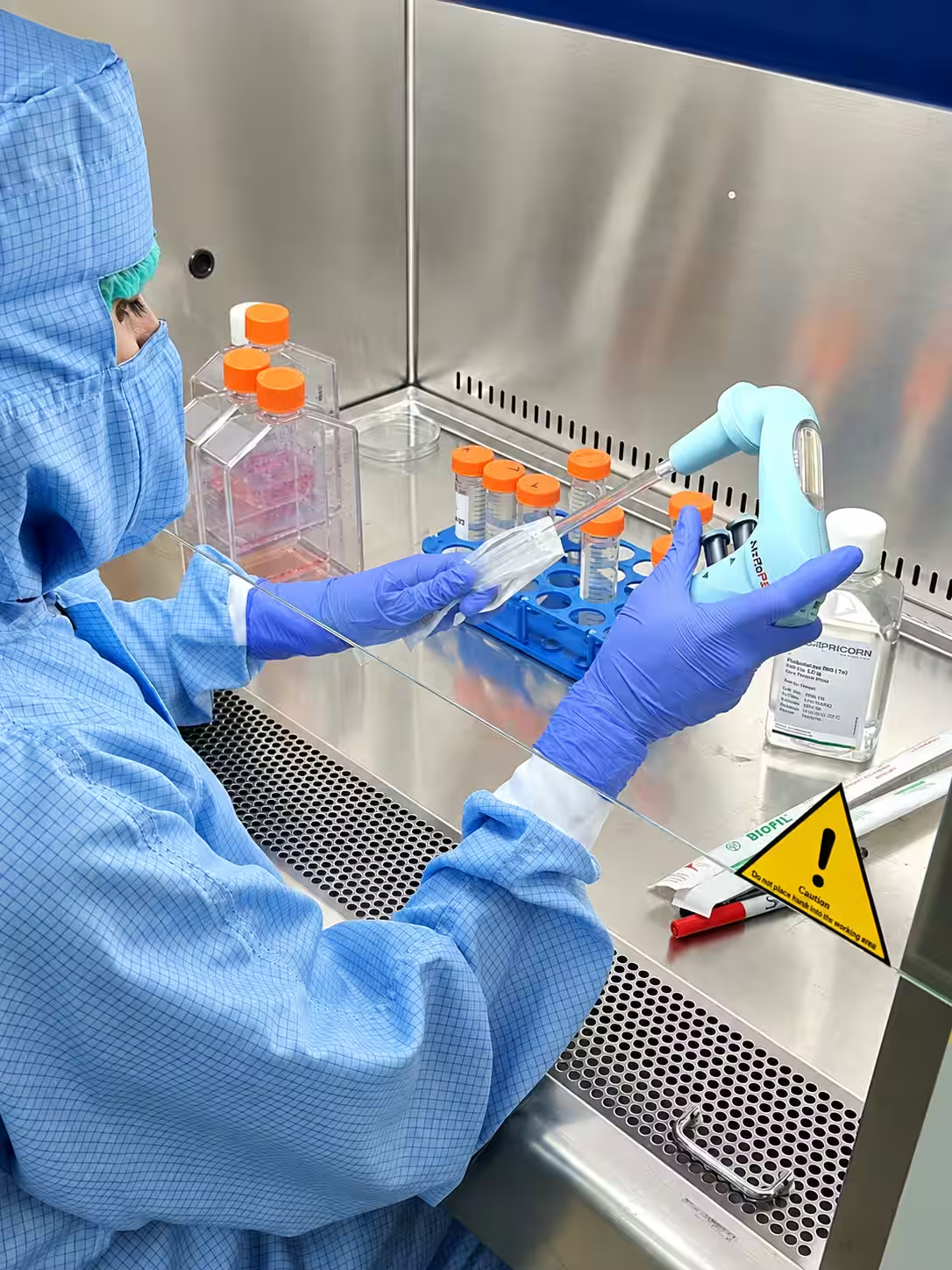
➤ REGEN CELL BIO
Regen Cell Bio is the cell laboratory inside IRM Hospital. It follows Good Manufacturing Practice (GMP) requirements and the standards of the European Tissues and Cells Directive (2004/23/EC) when preparing cells for patients.
Quality checks include sterility, endotoxin and mycoplasma testing, flow cytometry for cell identity, and monitoring of the clean-room environment.
➤ CONDITIONS
Choose a body system, then your condition. Every card shows where the research stands. A condition listed here is not a promise of treatment. Suitability is decided only after a specialist reviews your reports.
➤ MUSCLE, BONE AND JOINT
Each family card lists the conditions it covers. Start with the family, then open the guide for your condition.
Joint pain, stiffness and swelling, from wear-and-tear to immune-driven types. For knee osteoarthritis, major guidelines do not currently recommend stem cell injections, and study results are mixed.
Bone death caused by a lost blood supply, most often in the hip. Cell approaches are studied alongside standard and surgical options.
Many tendon and ligament injuries heal with rest and physiotherapy. Cell-based and PRP approaches are studied for stubborn cases.
Still being studied
Neck and lower back pain from wear and disc degeneration. Standard care and rehabilitation come first.
Early research
Weak bones, bones that heal slowly, and damaged joint cartilage. Research here is at an early stage.
➤ BRAIN, NERVE AND NEUROMUSCULAR
For these conditions, stem cell therapy is still in the research stage. It is never a replacement for neurological care and rehabilitation.
Explored as a supportive approach alongside behavioural and developmental therapy. Reviews say the evidence is not yet enough for routine use.
Studied to see whether cells can help movement and coordination. Safety results are encouraging, and trials of benefit are ongoing.
Genetic muscle-wasting diseases. Physiotherapy, medicines and heart and lung care are the foundation, and cell therapy is still being studied.
Studied alongside standard neurological care. Safety studies are underway, and whether cells help is not yet known.
An autoimmune disease of the brain and spinal cord. Transplants of a patient’s own blood stem cells are studied at specialist centres for aggressive MS. Other cell approaches are still being studied.
Cell approaches are studied for recovery in the months after a stroke. Rehabilitation remains essential.
Both are being studied in research trials. Neither is an established use of stem cell therapy.
Studied for nerve repair after injury. Rehabilitation and surgical care remain the base of treatment.
Conditions of the nerves outside the brain and spinal cord. Many have well-established standard treatments.
➤ AUTOIMMUNE AND DIGESTIVE
In autoimmune disease the immune system attacks the body. Standard medicines remain the base of care.
Studied for their ability to calm an overactive immune response. Rheumatoid arthritis and multiple sclerosis are listed under their own families.
Results have been mixed. A cell product for Crohn’s anal fistulas was withdrawn from the EU market after a large trial found no benefit over placebo.
➤ HEART AND BLOOD VESSELS
Heart and vascular care depends on standard medicines and procedures. Cell therapy is studied as an add-on.
Still being studied
Studied for repair of heart muscle. Results so far have been limited, and research continues.
Evidence emerging
Studied mainly for patients with no option for surgery or angioplasty. Some reviews report fewer amputations, and larger studies are still needed.
➤ KIDNEY, LIVER AND LUNG
These are long-term organ conditions. Stem cell therapy is studied in addition to standard care, not instead of it.
Still being studied
Studied to see whether cells can protect kidney tissue. Dialysis, medicines and diet advice remain essential.
Still being studied
Studied for long-term liver damage and scarring. Treating the cause of the damage remains the first step.
Still being studied
Studied to see whether cells can reduce inflammation and scarring. Some studies deliver cells by nebulizer.
➤ METABOLIC, REPRODUCTIVE AND WOUNDS
These conditions are listed because patients ask about them. Research is early for each of them.
Early research
Insulin, diet and monitoring remain essential. Cell approaches are studied for diabetes and its complications.
Still being studied
Wounds that do not heal, including diabetic foot ulcers. Wound care, circulation checks and blood sugar control come first.
Early research
Studied as part of wider fertility treatment. Standard fertility assessment comes first.
Early research
Studied for blood vessel and tissue function. Standard medical assessment comes first.
➤ NOT LISTED?
Send your reports and our team will tell you honestly whether an assessment makes sense. Some conditions, such as sickle cell disease and haemophilia, have approved or specialist treatments, such as bone marrow transplant and gene therapy, at specialist centres. If you have one of these, please speak with your haematologist first.
Please note: listing a condition does not mean a cure. Stem cell therapy does not replace standard medical care.
➤ WHY IRM
Cells are prepared at Regen Cell Bio, inside the hospital.
A doctor reviews your reports before any plan is made.
We explain evidence, risks and limits first, and never promise a cure.
Physiotherapy and regular care continue alongside any cell treatment.
Send reports by WhatsApp or the form first, and our team will advise the next step.
➤ YOUR JOURNEY
Share diagnosis, test results and a list of current medicines by WhatsApp or the form.
The doctor reviews your case and checks whether treatment may suit you.
You hear the evidence, benefits, risks and limits, and decide in your own time.
If you go ahead, cells and route are chosen for you, with a rehabilitation plan.

Progress is reviewed and your regular care continues.
➤ MEET YOUR SPECIALISTS
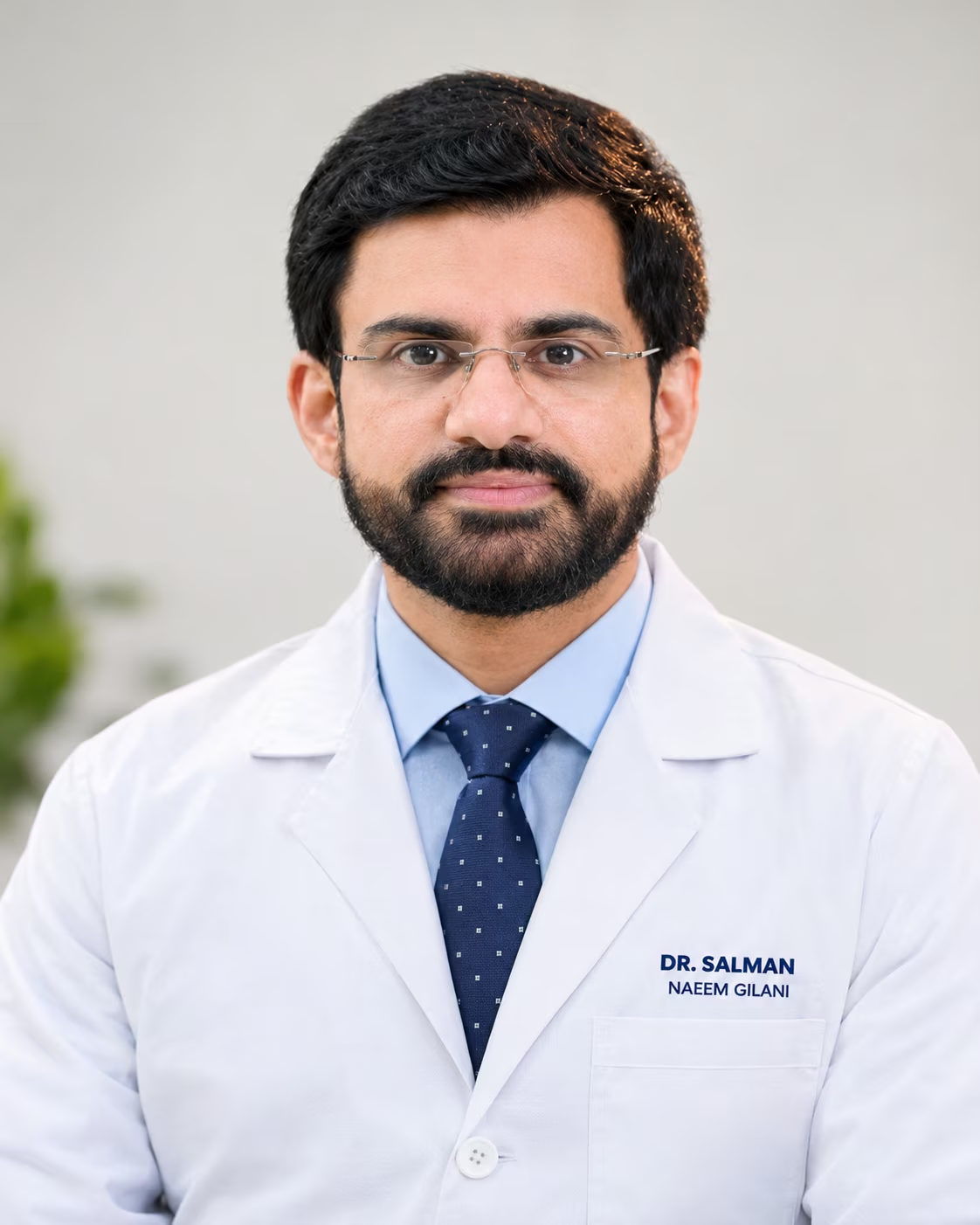
Stem Cell Consultant
M.B.B.S, M.D (USA), FACP
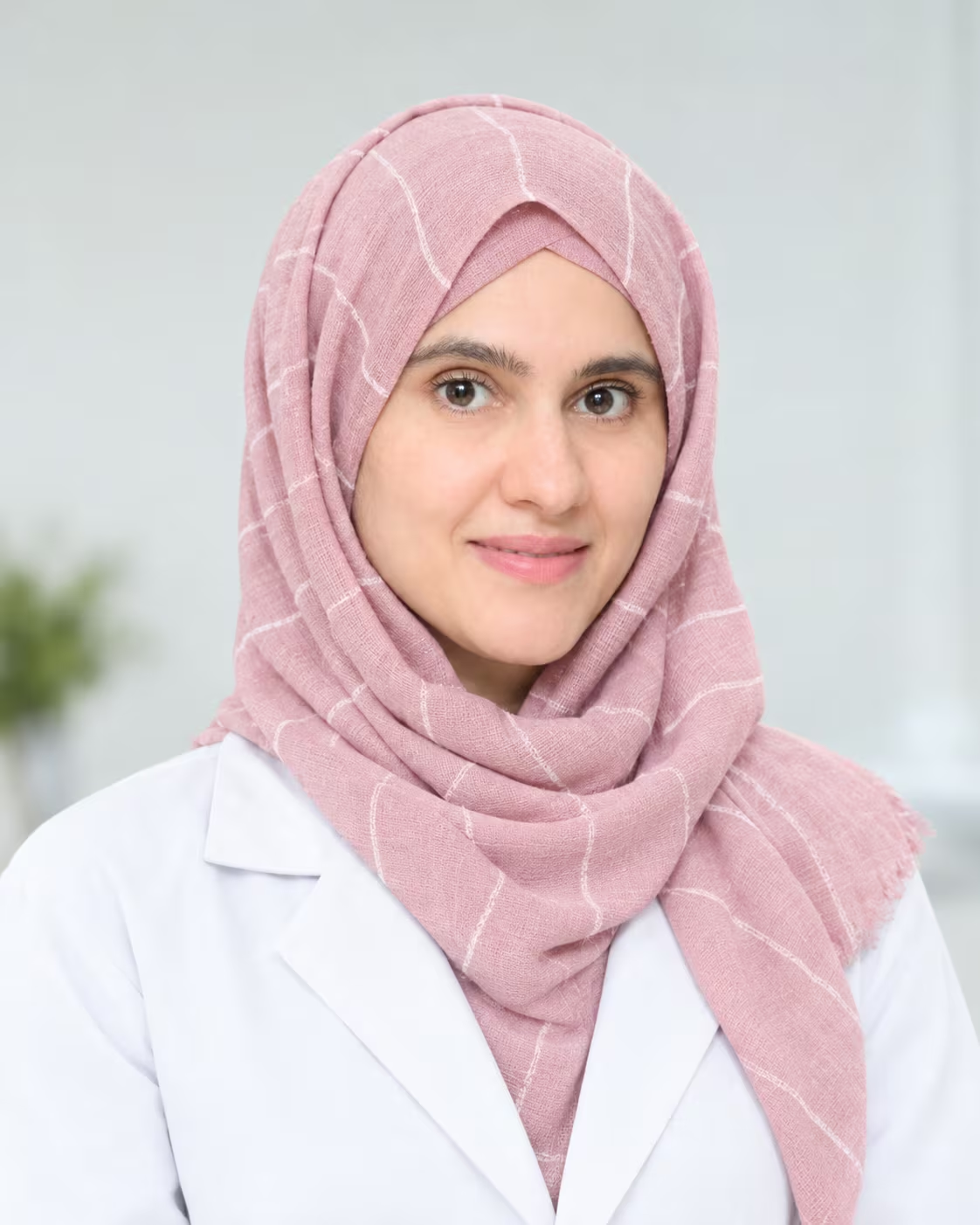
Lab Director (In-charge)
Regen Cell Bio Laboratory, IRM Hospital
➤ WATCH AND LEARN
Watch our videos to see how the hospital and laboratory work. More stem cell videos are on the IRM Hospital YouTube channel.
➤ EXPLORE MORE
See every regenerative therapy offered at IRM. Go to Regenerative Medicine →
Cell-derived vesicles being studied for healing. Read more →
Platelet-rich plasma from your own blood. Read more →
Therapy that continues alongside cell treatment. Read more →
➤ COMMON QUESTIONS
It is a treatment that uses stem cells, or cells that come from stem cells, to repair or replace damaged cells and tissue. It is established for some blood and immune conditions and still being studied for most other conditions.
No. Stem cell therapy is not a proven cure for most conditions. Results vary between patients, and no outcome can be promised.
Conditions are grouped by body system on this page: muscle, bone and joint; brain, nerve and neuromuscular; autoimmune and digestive; heart and vessels; kidney, liver and lung; and a few others. Some have their own guide, such as arthritis, ALS, cerebral palsy, muscular dystrophy and autism. Others are reviewed individually, based on your reports.
Sources include bone marrow, fat tissue, umbilical cord (Wharton’s jelly), placenta and amniotic fluid. Cells may be the patient’s own or from a donor source, depending on the plan.
By injection, IV infusion, nebulizer or intranasal route. Your doctor explains which route is considered for your condition and why.
At Regen Cell Bio, the cell laboratory inside IRM Hospital, which follows GMP requirements and tests identity, sterility and quality.
All medical treatments carry risks, and long-term safety is still being studied for many uses. Your doctor explains the risks, including infection and immune reactions, before you decide.
No. Your medicines, physiotherapy and regular specialist care continue. Never stop them without advice from your own doctor.
Suitability is decided only after a specialist reviews your diagnosis, reports and overall health. Send your reports through the form or WhatsApp to begin.
Bring your diagnosis, recent test results and scans, and a list of current medicines.
Yes. We see patients from across Pakistan. Send your reports first and our team will advise the next step.
Use the form on this page, call the hospital on +92 331 4367367, or message the coordinator on WhatsApp at +92 336 4367367.
➤ BOOK AN ASSESSMENT
Message our coordinator on WhatsApp or call the hospital. Share your latest reports and we will tell you honestly whether an assessment makes sense.
Related: Regenerative medicine · Dr. Salman Gilani · Appointments
Disclaimer: This page is for information only and is not a substitute for medical advice. Treatment at IRM Hospital is offered only after a specialist assessment. Stem cell therapy is established for some blood and immune conditions and is still being studied for most others. It is not a proven cure, does not replace standard care, and results vary between patients. Sources: US FDA, International Society for Stem Cell Research (ISSCR).
