➤ For Families Travelling from Abroad
Physician-led autism assessment, a personalised therapy plan and parent coaching for overseas families — starting with a secure online record review before you travel to Islamabad.
➤ Led by a Specialist
Every international case is reviewed and led by Dr. Salman Gilani, Medical Director at IRM Hospital — with honest guidance, no cure claims and no guaranteed outcomes.



➤ UNDERSTANDING AUTISM SPECTRUM DISORDER
Since DSM-5 (2013), autism, Asperger syndrome and PDD-NOS sit under one diagnosis. Clinicians look for two core areas: differences in social communication, and restricted or repetitive patterns of behaviour and sensory response, present from early development.
In the US, CDC surveillance found 1 in 31 eight-year-olds identified in 2022, up from 1 in 150 in 2000. WHO estimates 1 in 127 people worldwide (2021).
No single cause. Hundreds of genes raise the likelihood, with heritability estimated near 80% in family studies. Early brain development and other factors also contribute. Autism is not caused by parenting.
Often between 12–24 months. The American Academy of Pediatrics recommends screening at 18 and 24 months.
No blood test or scan diagnoses autism. Diagnosis rests on developmental history, structured clinical observation, and a physician’s judgement, alongside genetic testing as part of the initial work-up.
Co-occurring epilepsy, anxiety, depression and ADHD are common. Sleep, feeding and language difficulties often accompany ASD.
➤ EARLY SIGNS

Some difficulty with social communication and flexibility; greater independence.
Clear difficulty with communication, social interaction and adapting to change.
Major difficulty with communication and daily functioning; extensive support needed.

➤ AN HONEST ANSWER
No. Autism has no cure. Early, consistent, individualised support improves communication, learning, behaviour and independence for many children. Needs change with age, so support continues across life.
What the evidence does not support: routine testing for celiac disease, immune markers or vitamin levels without a specific clinical reason, and stem cell therapy as a standard autism treatment. We explain this plainly to every family.
➤ YOU ARE NOT ALONE
Worried, waiting, and hearing conflicting advice? You are not alone. Many families reach us after long waits or therapy that didn’t fit their child.
At IRM, we start with your child’s history and your priorities, explain our findings in plain language, say what is known and what isn’t, and never promise a cure.
➤ EVIDENCE-INFORMED METHODOLOGY

Birth, milestones, regression, sleep, feeding, seizures, family history.

Structured assessment of social communication and behaviour.

Physician review of genetics, neurology, ADHD, anxiety, sleep.

Speech, understanding, gestures, alternative communication.

Occupational therapy view of sensory response, coordination, self-care.

Home routines, positive behaviour strategies, parent training.
➤ YOUR OPTIONS
We combine physician oversight with therapies that have supporting evidence, matched to your child’s level, age and goals. Any additional medical option is discussed only alongside its evidence, risks and limits.
Care usually works best when several approaches are combined and begin early.
| Approach | Role in Your Child’s Care | At IRM |
|---|---|---|
| Applied Behavior Analysis (ABA) | Builds new skills and reduces challenging behaviour | Behaviour therapy sessions in the one-month program |
| Speech Therapy | Supports spoken and non-verbal communication | Speech therapy sessions in the one-month program |
| Occupational Therapy | Supports everyday living and movement skills | Reviewed in the sensory & motor assessment; home-care plan provided |
| Sensory Integration Therapy | Helps your child cope with sensory input | Reviewed in the sensory & motor assessment |
| Stem Cell Therapy (IRM) | Umbilical-cord stem cells and exosomes, given alongside the other therapies | IRM Hospital, after your doctor explains the evidence and risks |
➤ THE ONE-MONTH PLAN
Day 1
Your child meets the stem cell consultant and the behaviour, speech and nutrition therapists. Baseline blood tests are done.
Day 2
Under sedation rather than general anaesthesia, your child receives a first IV stem cell infusion, together with a cold laser session.
Week 1 Onward
IV nutrition, IV chelation, speech and behaviour therapy and further cold laser sessions continue through the month.
Whole Month
Total sessions in the one-month plan:
Good to know: stem cell therapy is not an established standard treatment for autism, and the evidence is still developing. Our doctor explains the evidence, risks and limits before any option is considered, and results vary from child to child.
➤ CLINICAL DETAIL & SAFETY
Umbilical-cord mesenchymal stem cells are given through an IV drip and by intrathecal delivery (a lumbar puncture), at a target dose of 1–3 million cells per kg. Exosomes are used as well, at a target of 100 billion. The intrathecal step uses 1–2 ml of fluid, and nothing is withdrawn from your child during it.
Your child is sedated with sevoflurane rather than put under general anaesthesia. They are never intubated and breathe on their own. A 5-hour fast is needed beforehand, and medical staff stay with your child throughout. Possible side effects include fever, dizziness, headache or vomiting.
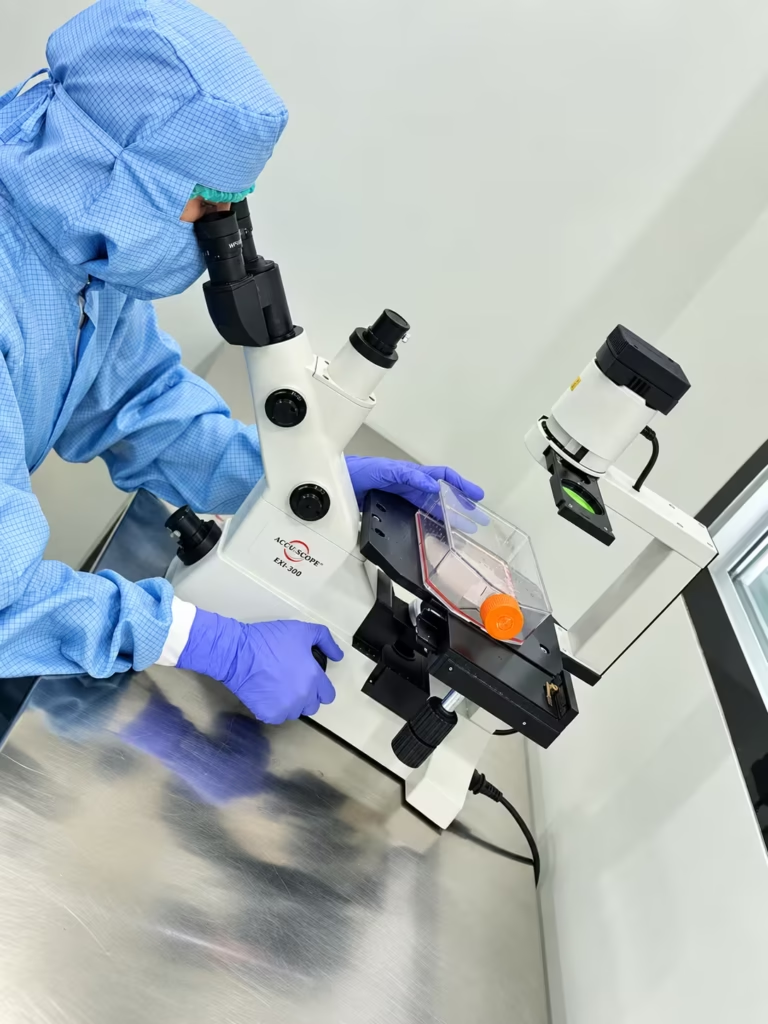
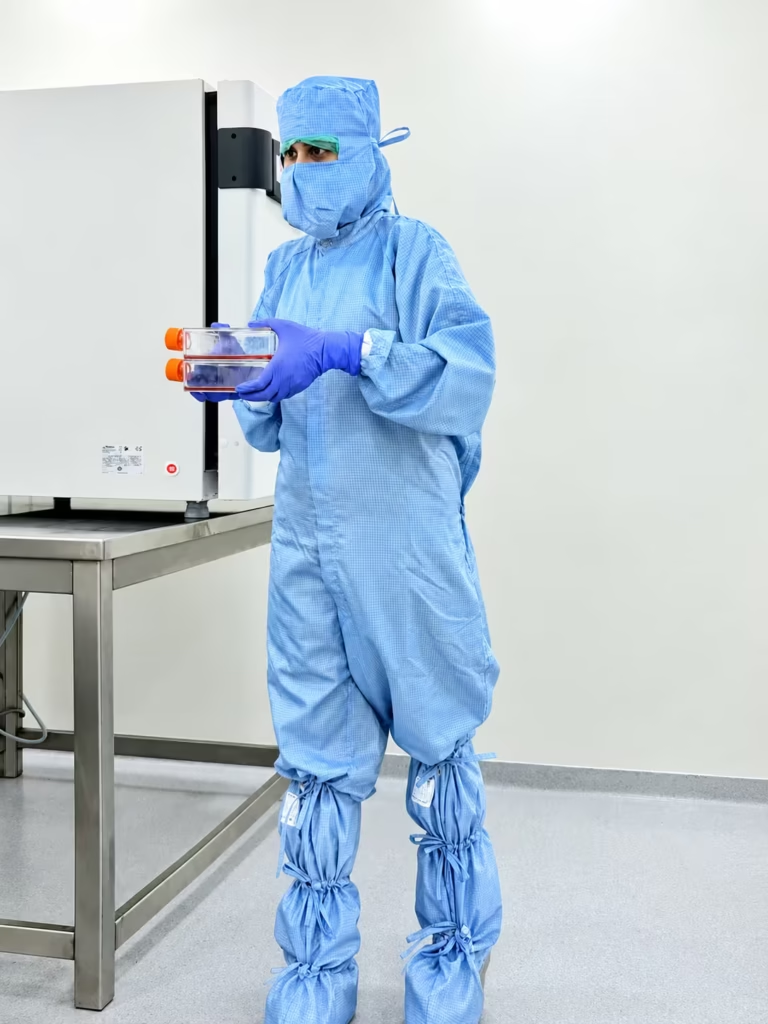
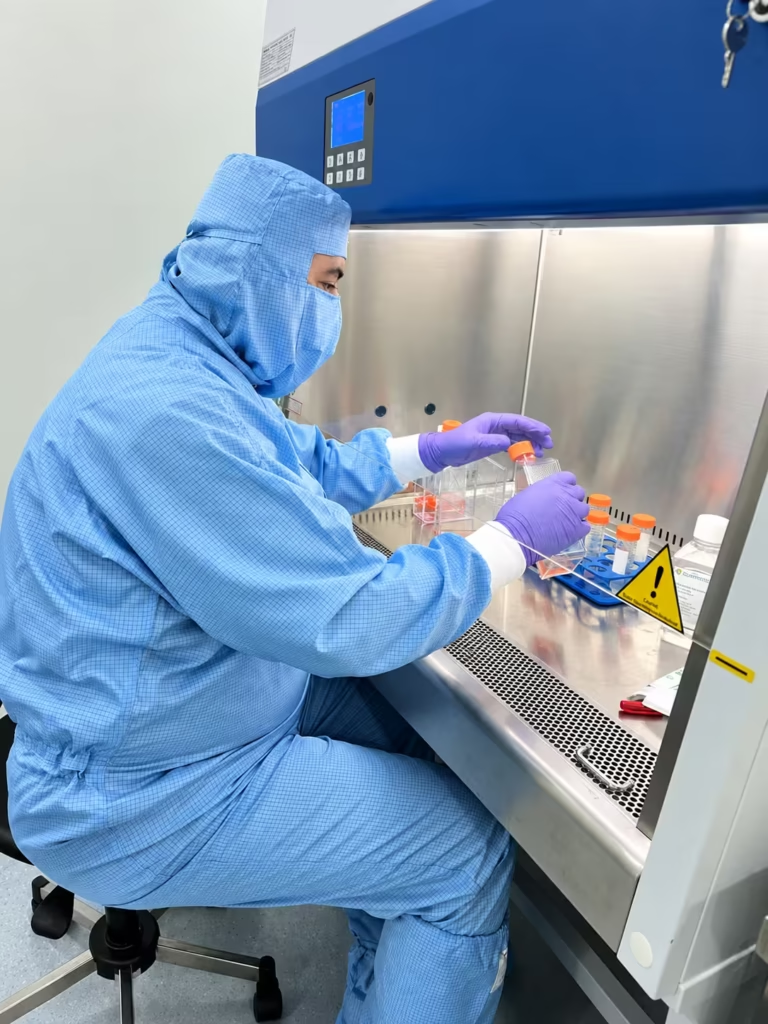
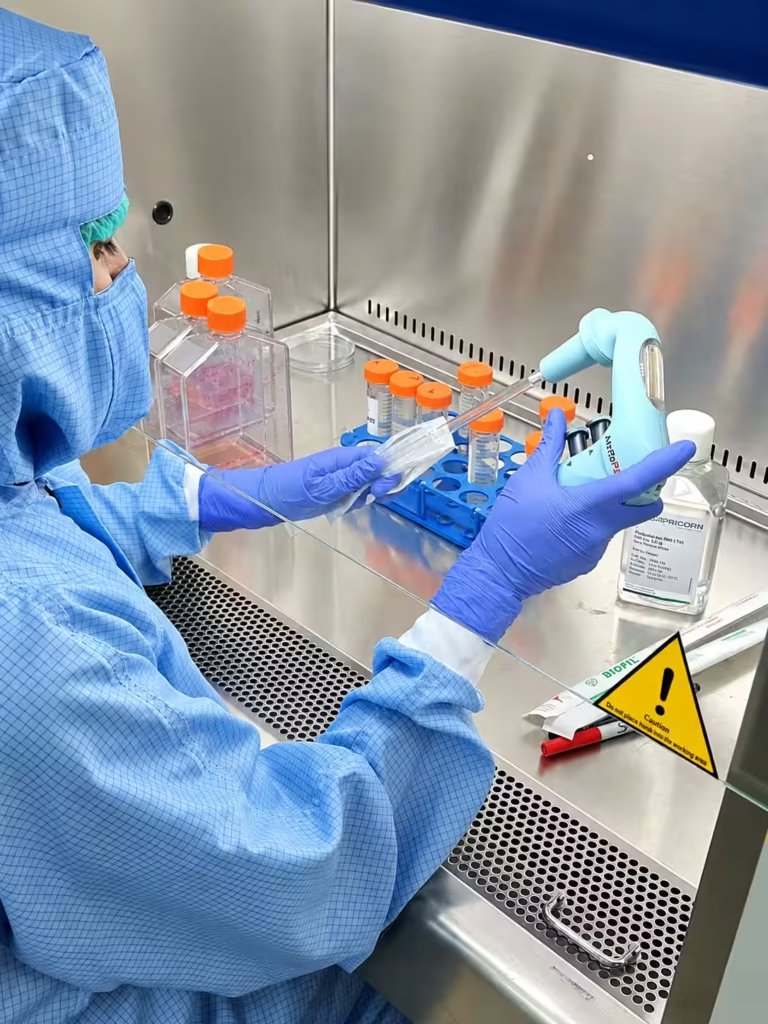
➤ OUR MODERN LAB
➤ INTERNATIONAL CARE PATHWAY
Remote (Home)
Submit an initial enquiry and a short developmental summary.
Remote (Home)
We review reports, prior diagnoses, therapy notes and home videos.
Remote (Home)
An online preliminary physician consultation with you.
Remote (Home)
Receive the proposed pathway, cost estimate and travel coordination.
IRM Islamabad
Arrival and multidisciplinary evaluation start here.
IRM Islamabad
Individualised supportive care plan and parent coaching.

Post Travel
Structured longitudinal follow-up from home.
➤ MEET YOUR CLINICAL TEAM
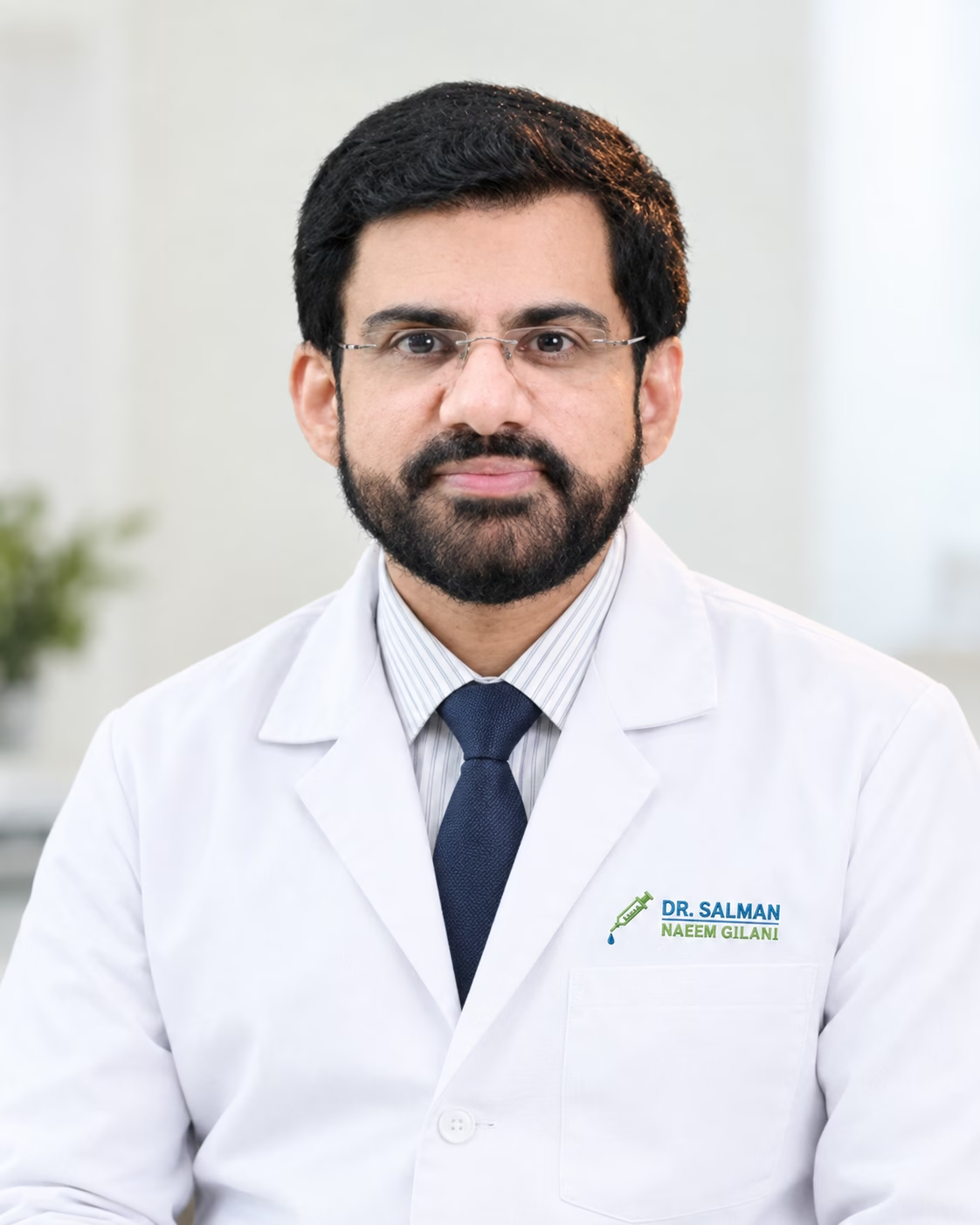
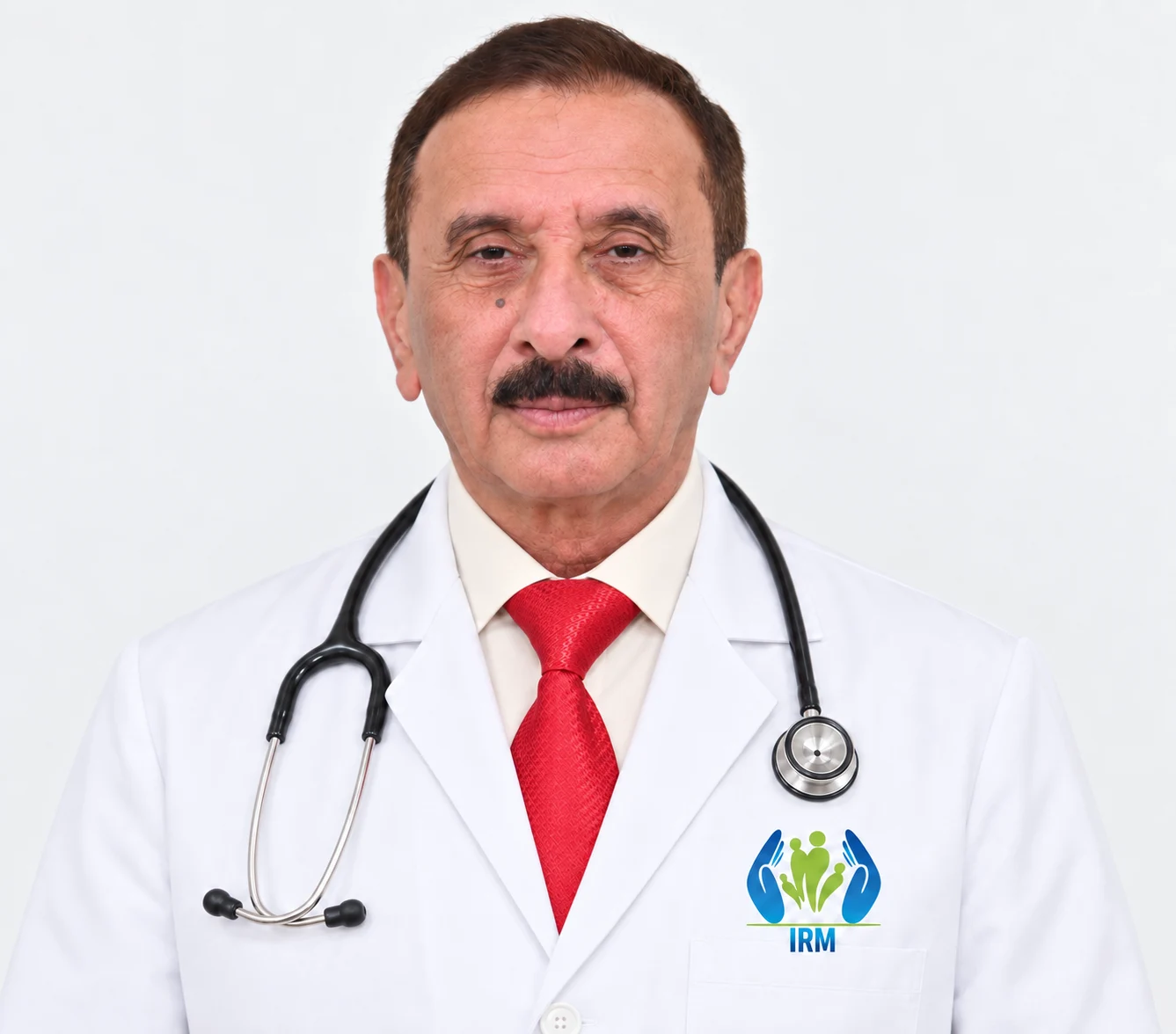
Stem Cell Consultant
M.B.B.S, M.D (USA), FACP
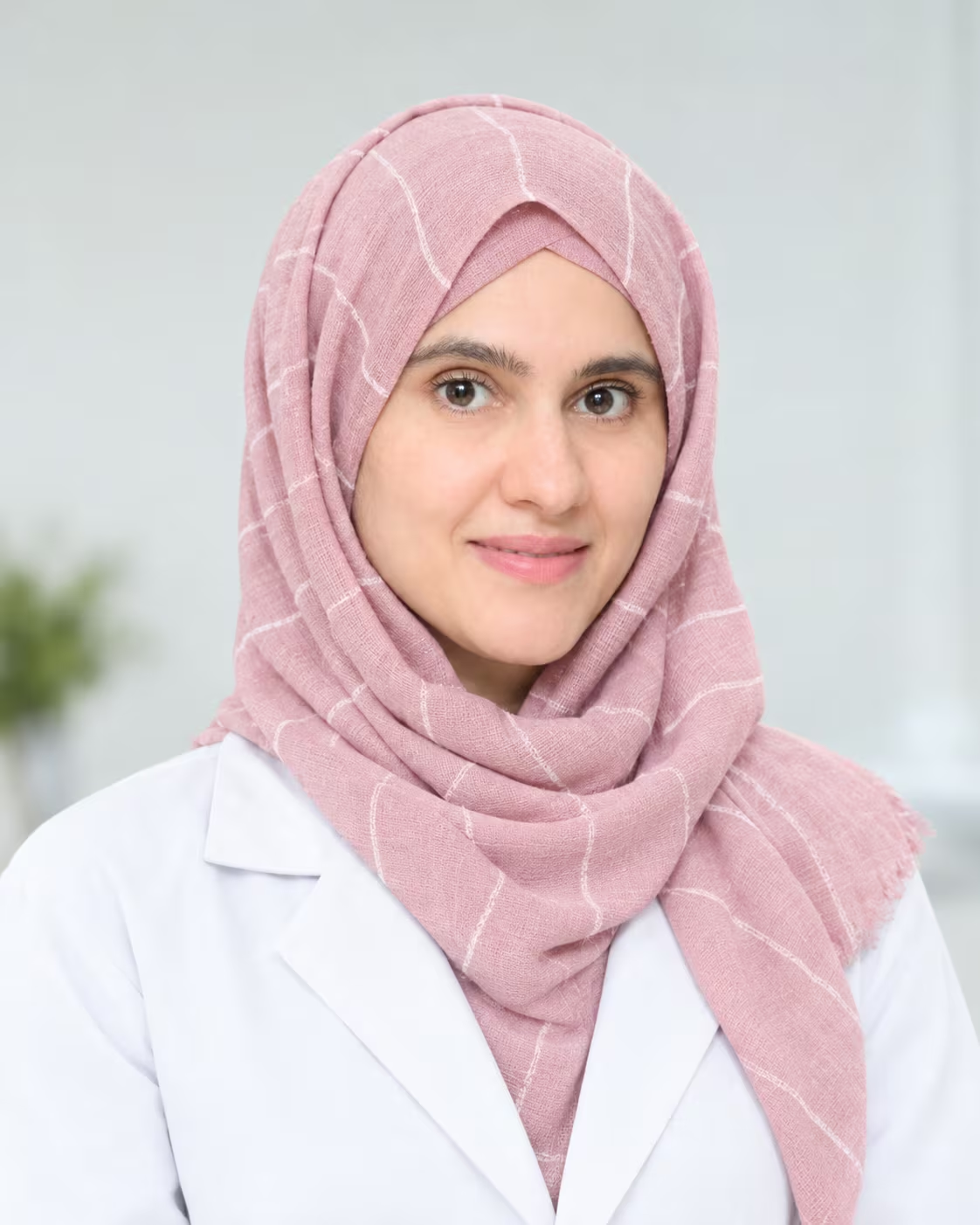
Director, Regen Cell Bio
DDU (Pakistan), RDMS (USA), POCUS (USA)
➤ YOUR CHILD'S CARE TEAM
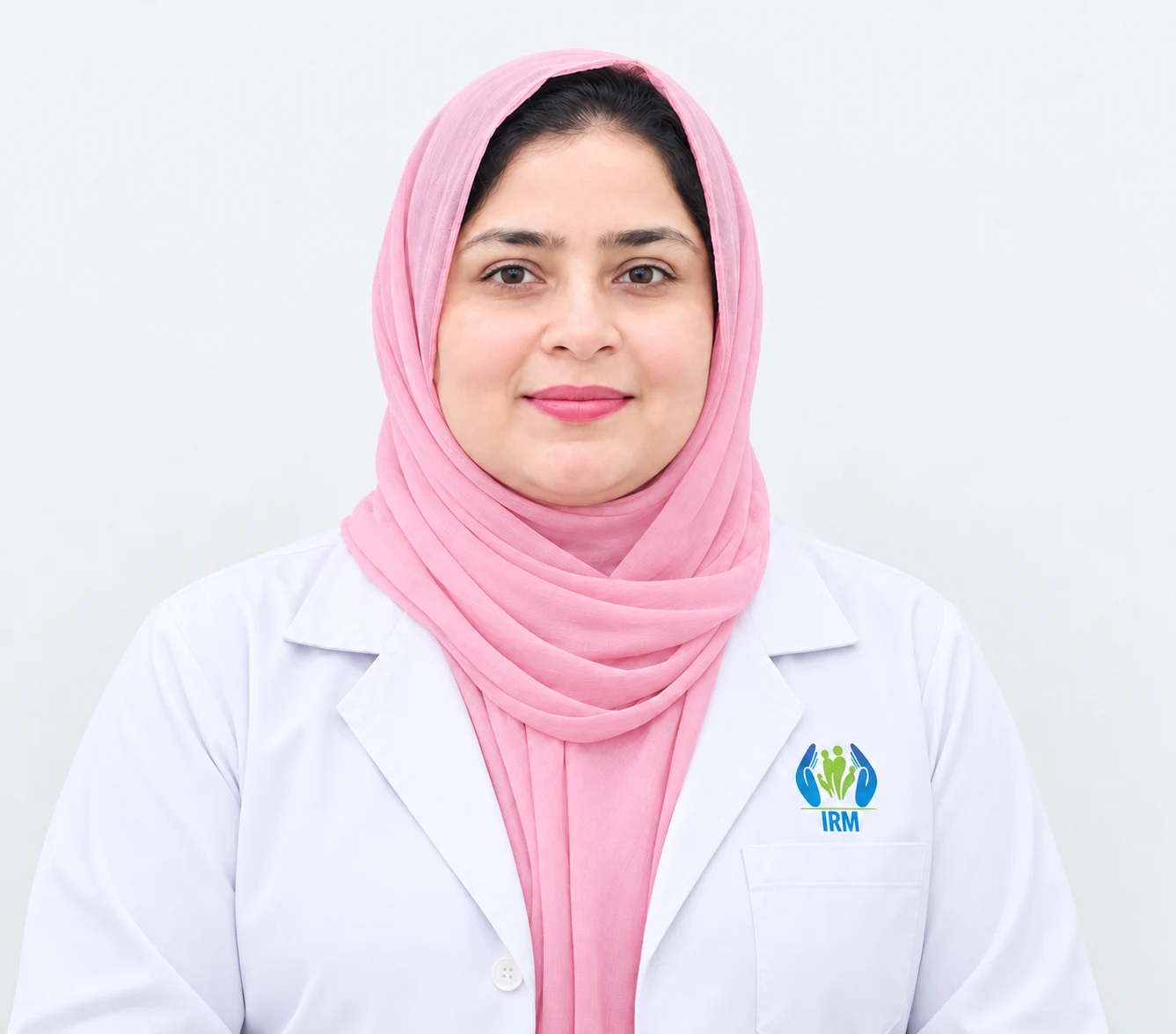
Physiotherapist
B.S (PT), M.Phil (PPDPT), M.S (NMPT), PGD Pain Management (HSA)
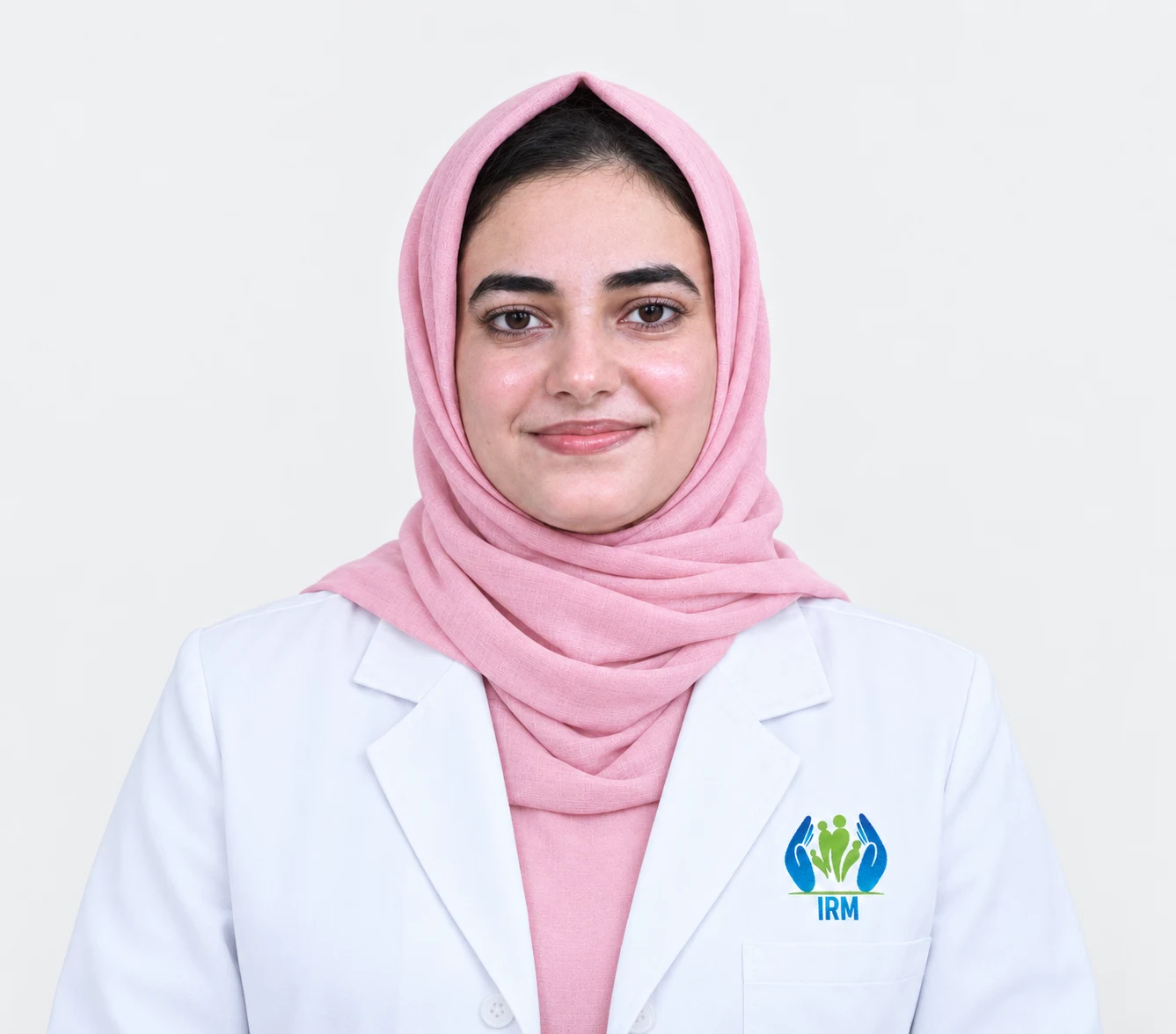
Behaviour Therapist
Master’s in Psychology, ABA Therapist, CBT-Trained Professional in AFIRM
Nutritionist
DDNS (Dr. of Dietetics and Nutritional Sciences), University of Lahore
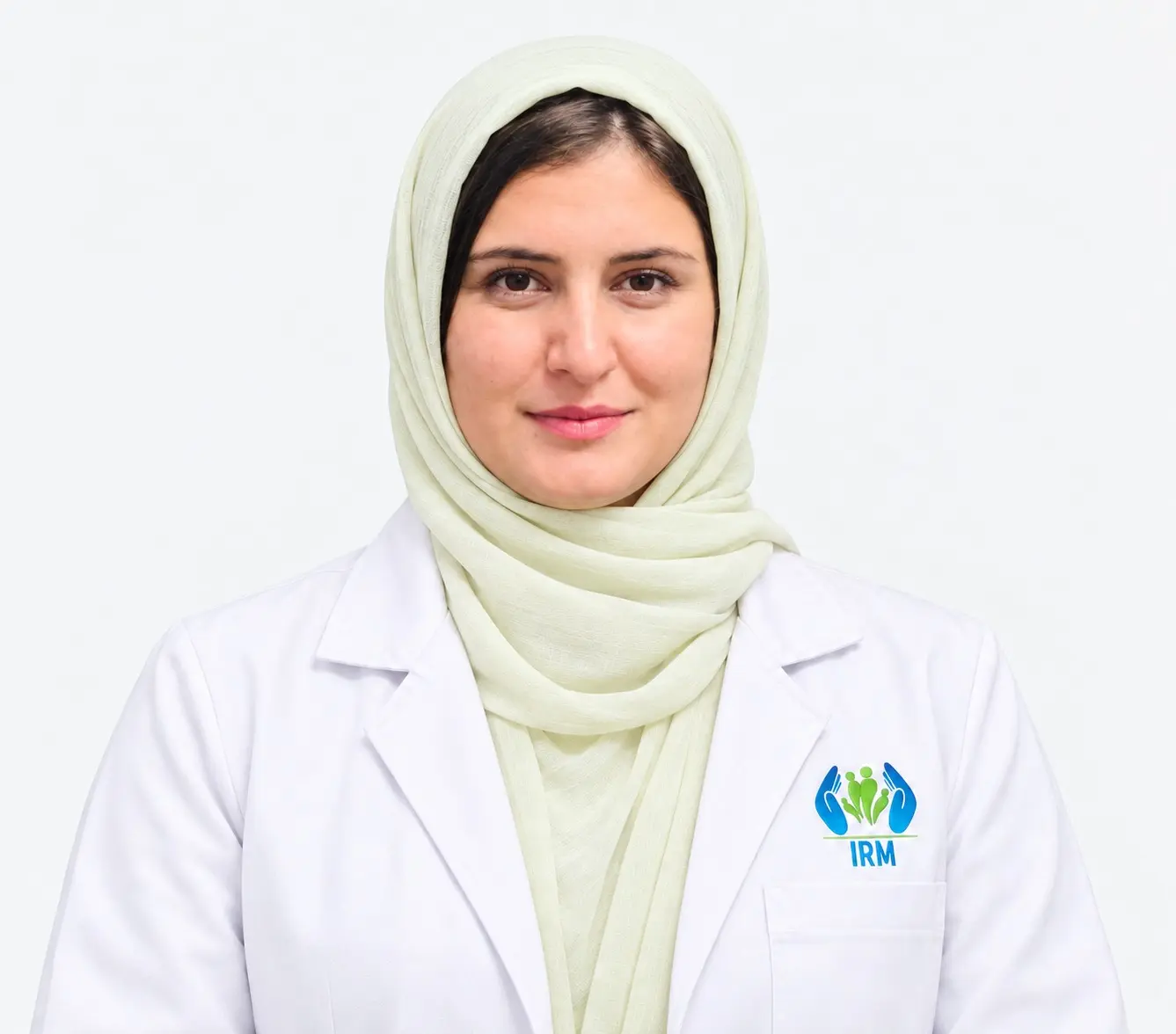
Speech Therapist
BS – Speech & Language Pathology, (R.I.U)C, Clinical Practice in IIMCT & R.I.H
➤ WHY IRM
Dr. Salman Naeem Gilani leads the evaluation and the plan.
Records review and video consultation before you commit to travel.

Medical, language, sensory and behavioural needs assessed together.
English-language summaries for your paediatrician, school or insurer.

Clear help with travel, accommodation, and visit planning.
Care sits inside a full hospital.

No cure claims. We describe likely gains and limits in writing.
Clear home-care plans and remote follow-up after you return.
➤ TRAVEL & STAY

A medical invitation letter is provided. Confirm visa rules on Pakistan’s official portal.

Islamabad International Airport (ISB), with meet-and-greet transfer.

Our coordination team helps arrange accommodation and your daily schedule.

Pakistan Standard Time (UTC+5) — plan follow-up calls accordingly.
The clinical team communicates fully in English and also in Urdu if you are comfortable with it.

Quiet arrival, sensory-kit advice, routine-friendly scheduling.

Read your government’s current travel advisory for Pakistan before booking.
A written estimate is provided before travel.
➤ WATCH & LEARN
➤ START HERE
➤ COMMON QUESTIONS
No. You begin with a record review and video consultation, then decide.
Through developmental history, structured observation, medical review and clinical judgement. No single test diagnoses autism.
Stem cell therapy is not an established autism treatment, and current evidence does not support routine use. Our doctor explains the evidence and risks before any medical option is considered.
IRM offers a one-month autism plan for the child, including behaviour therapy, speech therapy and stem cell therapy sessions. Your plan sets the final length.
It combines an initial assessment, stem cell sessions, IV nutrition, behaviour and speech therapy and cold laser sessions. The full session breakdown is on our main autism page.
Treatment is given under sedation rather than general anaesthesia, and medical staff stay with your child throughout. Your doctor explains the risks before any option is considered.
We provide detailed English reports; acceptance depends on your local system, so ask your provider in advance.
Check your government’s advice. We arrange pickup and a simple route between airport, hotel and hospital.
Message our coordinator on WhatsApp or email us. Tell us your child’s age, diagnosis status and main concerns. Your information stays confidential.
Read more: Autism care for families in Pakistan
