
IRM Hospital is your first choice for your health partner. We offer premium care with state of the art medical facilities.
Mon - Sun: 24 Hrs Open
Jan - Dec: Never Closed
+92 (051) 3757635
+92 (051) 3757635
contact@irmsc.com
admin@irmsc.com


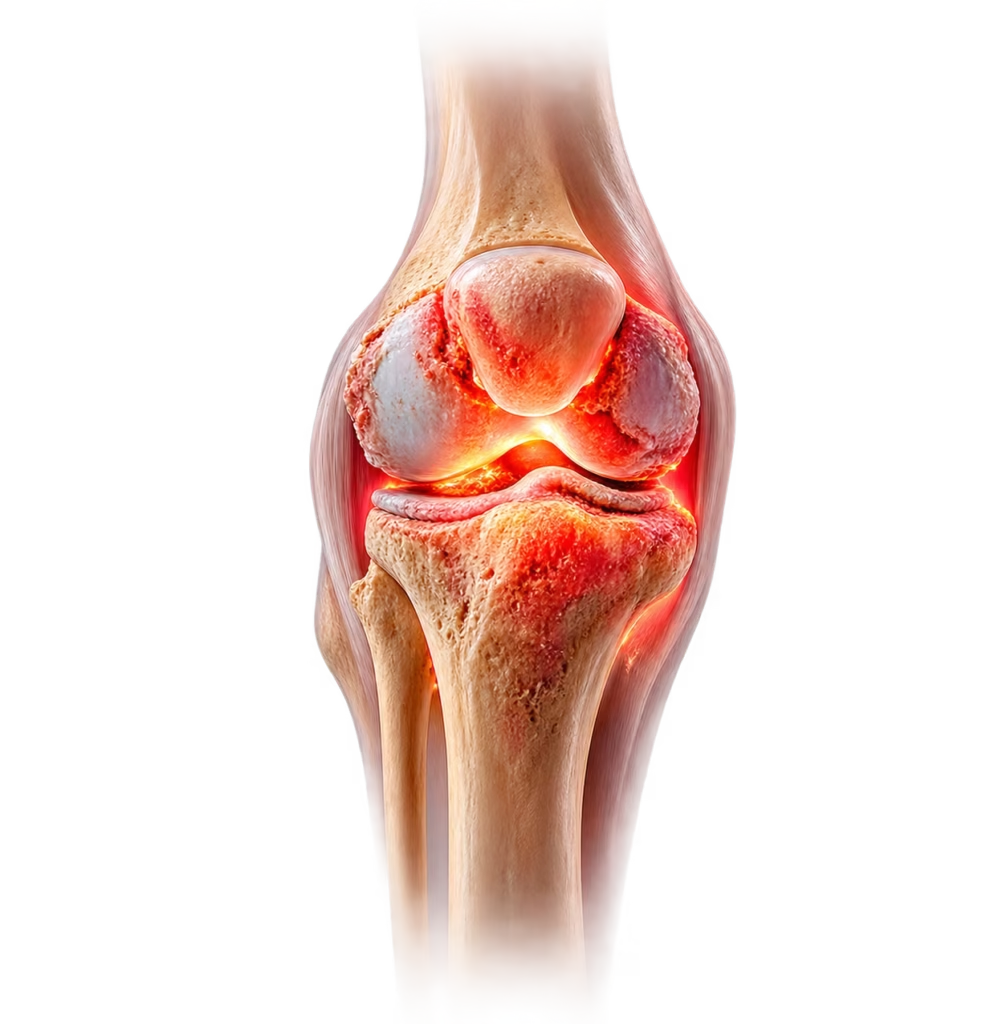
Regenerative Orthopedic Care IRM Hospital, Islamabad.
IRM Hospital identifies your exact type of arthritis first, then builds a treatment plan around it — physiotherapy, rehabilitation, and advanced stem cell therapy under the direct supervision of Dr. Salman Gilani at Islamabad Campus.
➤ WHY CHOOSE IRM
Choosing arthritis care involves more than picking a procedure. It requires an accurate diagnosis, an experienced clinical team, and a rehabilitation plan built around your specific joints — which is how every patient is treated at IRM.
Your age, joints affected, severity, and goals shape a plan built for you, not a template.
Treatment recommendations follow your diagnosis — never the other way around.
X-rays, MRI, and prior records are reviewed before any treatment is discussed.
Recovery is monitored on schedule, with your plan adjusted as your joints respond.
Pre- and post-treatment rehabilitation is planned as part of your protocol, not an afterthought.
Stem cell processing is handled under controlled laboratory conditions on-site.
➤ Who This Is For
IRM is based in Islamabad (397-Kortana, Opposite Gate 4, DHA Phase 2) — the closest full-service arthritis stem cell treatment center for citizens of Islamabad and Rawalpindi, with no need to travel outside the capital for assessment or treatment.
Families from Lahore, Faisalabad, Multan, and across Pakistan travel to Islamabad for arthritis assessment and stem cell treatment. Plan for a short stay or repeat visits during your treatment — our team can help you plan the logistics.
IRM also supports international arthritis patients through its overseas care arrangements. Some of our international patients have travelled to Dubai for consultation and treatment coordination at AEON Clinic, Dubai, where Dr. Salman provides consultations. International patients can contact our team in advance to coordinate their assessment, treatment plan, travel, and appointment schedule.
➤ what is arthritis
Every form of arthritis involves inflammation, pain, stiffness, or damage to the cartilage that lets your joints move smoothly. Some types wear down joints gradually with age; others are autoimmune conditions that can appear at any age, including in children.
Left unmanaged, arthritis can progressively limit walking, working, sleeping, and independence. Early assessment is what keeps those options open.
Recognized conditions
Children to older adults
Joint groups affected
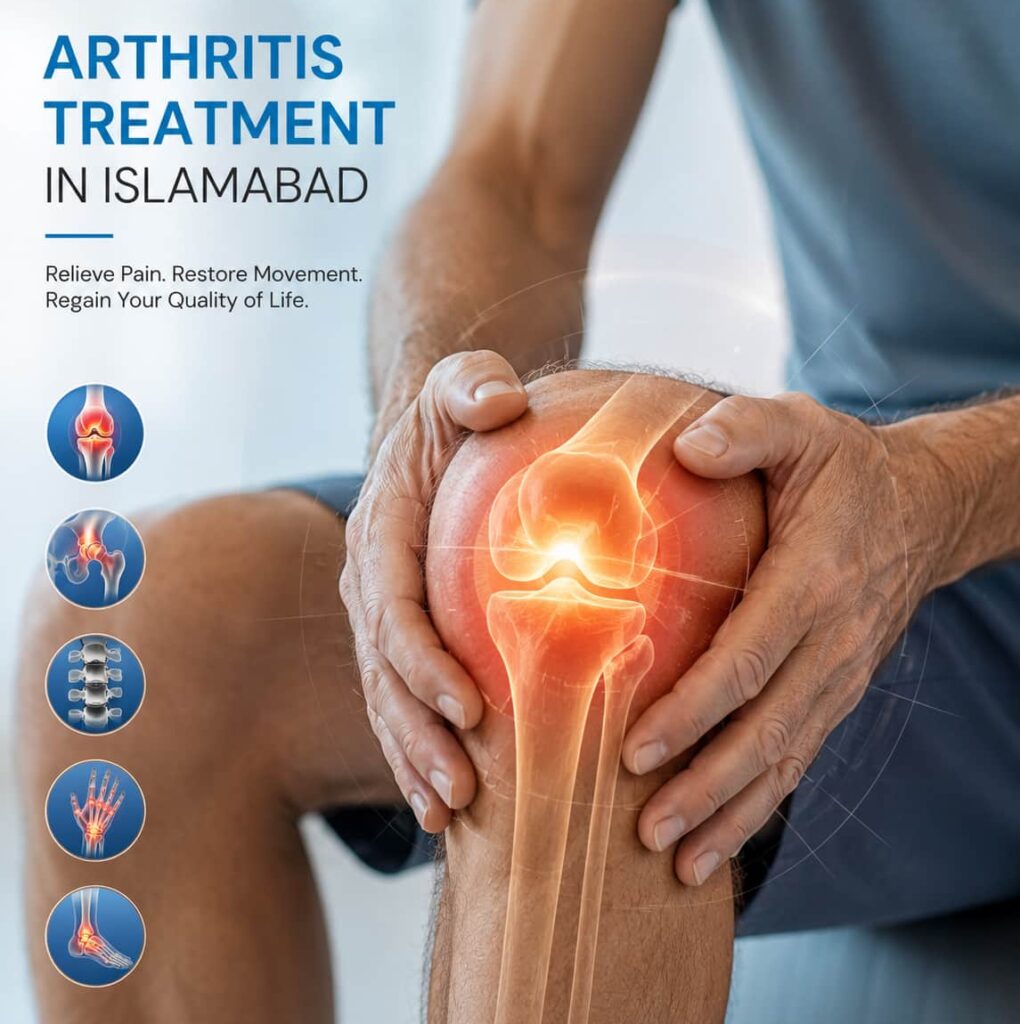
➤ COMMONLY AFFECTED JOINTS
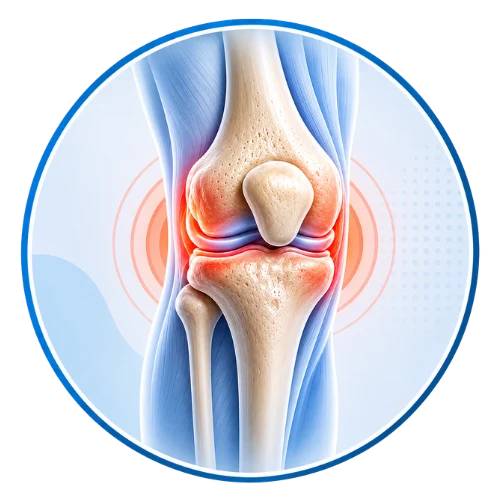
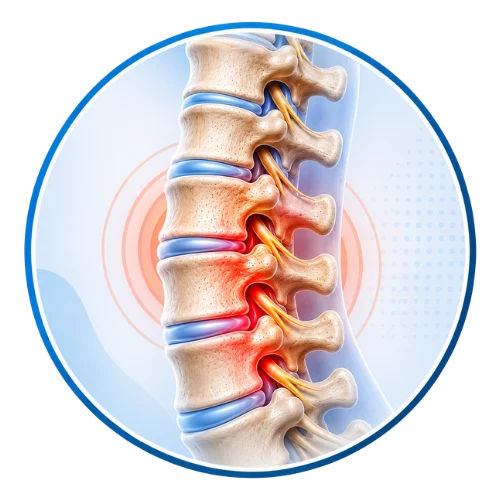
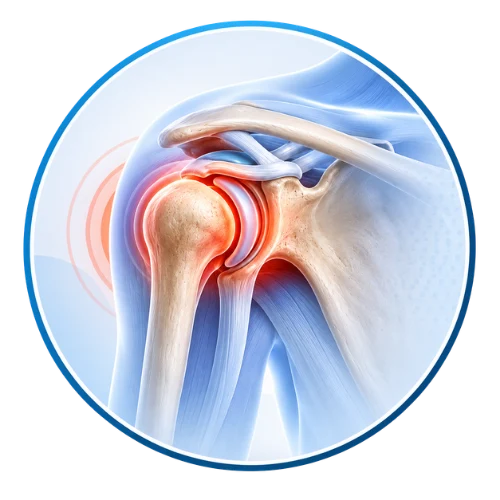
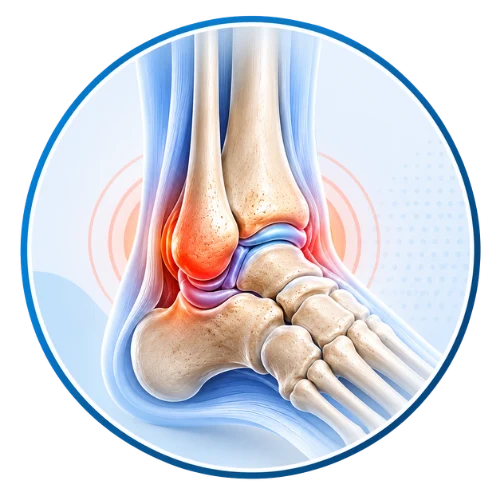
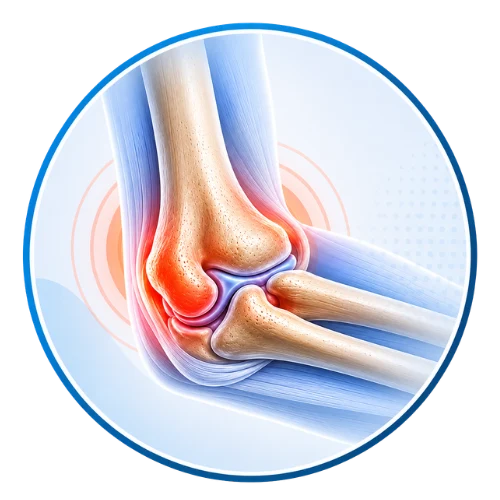
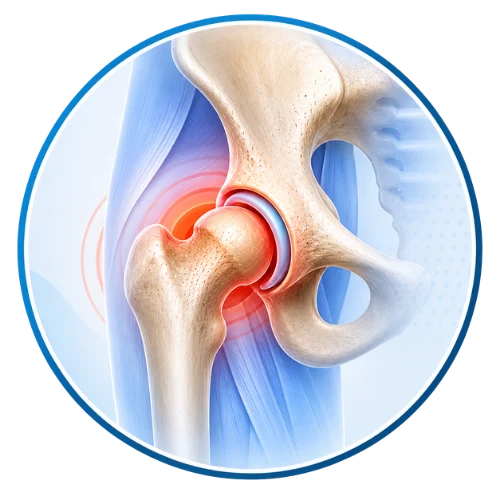
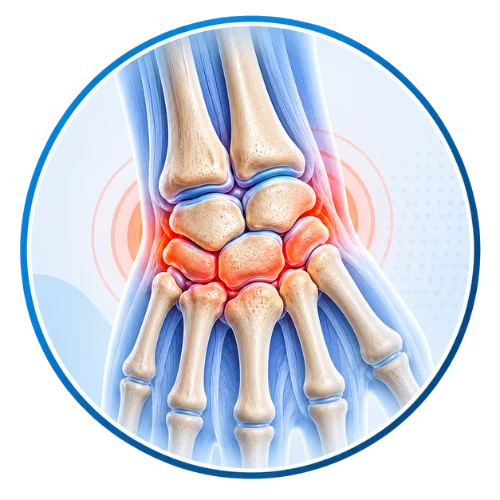
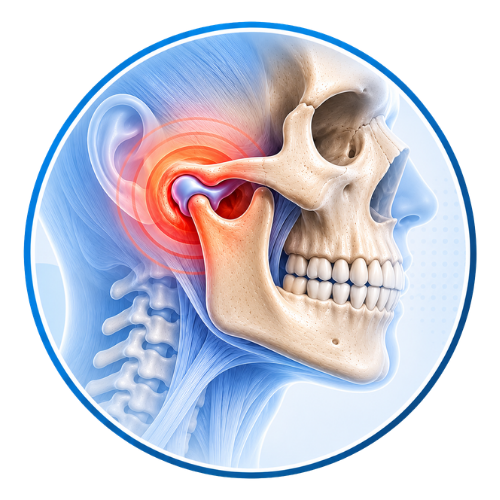
Explore the joints commonly affected by arthritis, including the knees, ankles, elbows, hips, jaw, shoulders, spine and wrists. If you are looking for arthritis treatment in Islamabad, understanding the affected joint can help you explore appropriate evaluation and treatment options with a qualified specialist.
➤ Types of arthritis
Each type has a different cause and a different treatment pathway. Two of the most common already have a dedicated, in-depth guide — the rest are evaluated on this page today.

Cartilage wears down gradually, often with age or old injuries, causing stiffness and pain during activity.
Knees, hips, hands, spine · Older adults

An autoimmune condition where the immune system attacks the joint lining, often symmetrically on both sides of the body.
Hands, wrists, feet · Adults, more common in women

Affects children and adolescents under 16. Early diagnosis helps protect healthy joint development.
Multiple joints · Children & adolescents

Linked to psoriasis, this inflammatory condition affects skin, joints, and nails — sometimes joints first.
Fingers, toes, spine · Adults

A chronic inflammatory disease of the spine and pelvis that can reduce flexibility if untreated.
Spine, pelvis · Young adults

Uric acid crystals build up in a joint, causing sudden, severe pain, swelling, and redness.
Big toe, ankles, knees · Adults

Can develop weeks after certain bacterial infections, causing joint pain, swelling, and inflammation.
Multiple joints · Children & adolescents
Self-diagnosis is unreliable — many types share symptoms. Our team confirms your exact type through examination and imaging.
➤ Types of arthritis
Symptoms often overlap between types — this is why a clinical diagnosis, not a symptom checklist, determines your treatment path.
| Type | Primary Cause | Commonly Affected Areas | Typical Age Group |
|---|---|---|---|
| Osteoarthritis | Cartilage degeneration | Knees, hips, hands, spine | Older adults (earlier after injury) |
| Rheumatoid Arthritis | Autoimmune inflammation | Hands, wrists, feet, knees | Adults, more common in women |
| Juvenile Arthritis | Autoimmune / inflammatory | Multiple joints | Children and adolescents |
| Psoriatic Arthritis | Autoimmune, linked to psoriasis | Fingers, toes, spine, knees | Adults |
| Ankylosing Spondylitis | Chronic inflammatory disease | Spine and pelvis | Young adults |
| Gout | Uric acid crystal buildup | Big toe, ankles, knees | Adults |
| Reactive Arthritis | Triggered by certain infections | Knees, ankles, feet | Young to middle-aged adults |
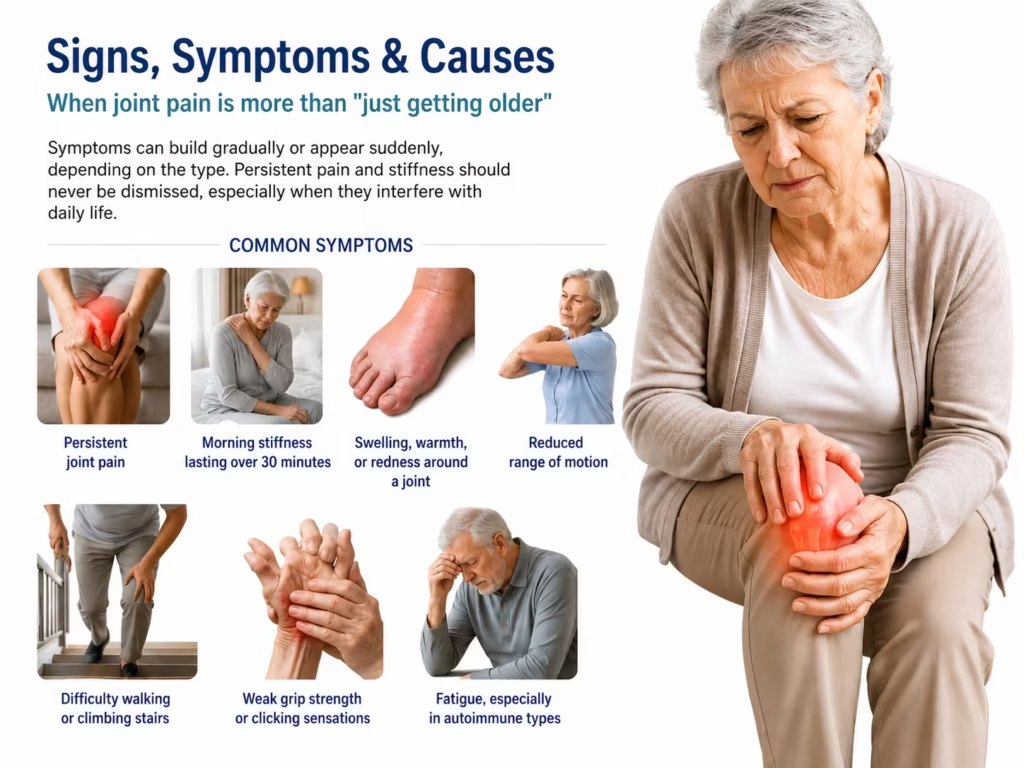
➤ Signs, Symptoms & Causes
Symptoms can build gradually or appear suddenly, depending on the type. Persistent pain and stiffness should never be dismissed, especially when they interfere with daily life.
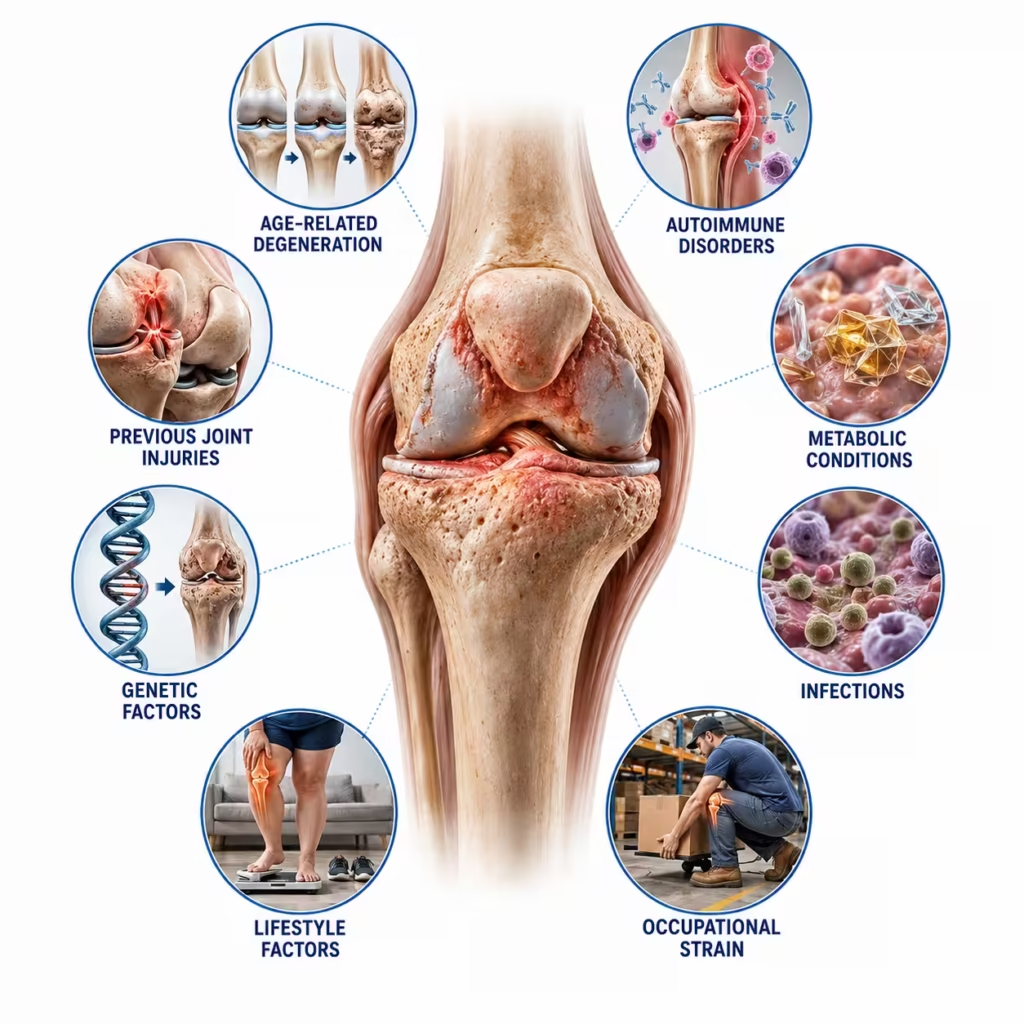
➤ ROOT CAUSE
Different types develop for different reasons — which is exactly why treatment starts with identifying the cause, not just the symptom.
Cartilage wears down over time — the leading cause of osteoarthritis.
The immune system attacks healthy joint linings, as in rheumatoid or psoriatic arthritis.
Fractures, ligament tears, or repeated sports injuries raise long-term risk.
Uric acid crystal buildup causes gout and its sudden painful flares.
A family history of arthritis increases likelihood for several types.
Certain infections can trigger reactive arthritis weeks later.
Excess weight, smoking, and inactivity can worsen symptoms or accelerate progression.
Repetitive joint stress from certain jobs raises long-term risk.
➤ DAIGNOSIS
More than 100 conditions fall under “arthritis.” Confirming which one you have — and how far it has progressed — comes before any treatment discussion.

Dr. Salman Gilani’s Treatment Protocol
Every arthritis patient moves through the same disciplined process — only the decisions inside it are personalized to your joints and diagnosis.
Symptoms, history, medications, and goals are reviewed in detail.
X-rays, MRI, and prior records are assessed by the clinical team.
Dr. Salman and the team design your individualized care plan.
Strength and mobility work, when appropriate, prepares the joint.
Performed under established clinical protocols and supervision.
Typically around 10 days of relative rest, tailored to your case.
Progressive physiotherapy and scheduled follow-up assessments.
➤ REGENERATIVE OPTIONS
At IRM Hospital,evidence-informed regenerative medicine is delivered through a structured clinical protocol under specialist supervision. The right option is selected only after your evaluation is complete.
➤ Option 1
Uses the patient’s own stem cells, reducing the risk of immune rejection.
➤ Option 2
For selected patients, using mesenchymal stem cells from carefully screened umbilical cord tissue.
➤ CANDIDACY
Stem cell therapy is not the right first step for every patient. A recommendation is made only after a full clinical evaluation.
➤ DECISION GUIDE
A practical starting point — your consultation confirms which path applies to you. This is guidance, not a diagnosis or a guarantee of treatment.
Often evaluated for regenerative therapy once conservative care and physiotherapy have been tried.
Requires disease-activity control first; regenerative options are considered alongside your rheumatologic care.
Evaluated with pediatric-specific protocols focused on protecting joint development.
Assessed alongside skin symptoms; timing depends on disease activity.
Spinal mobility and inflammation markers guide whether regenerative care is appropriate.
Acute flares are managed first; regenerative therapy is not a first-line gout treatment.
Underlying infection is addressed before any regenerative option is discussed.
➤ IRM’s results
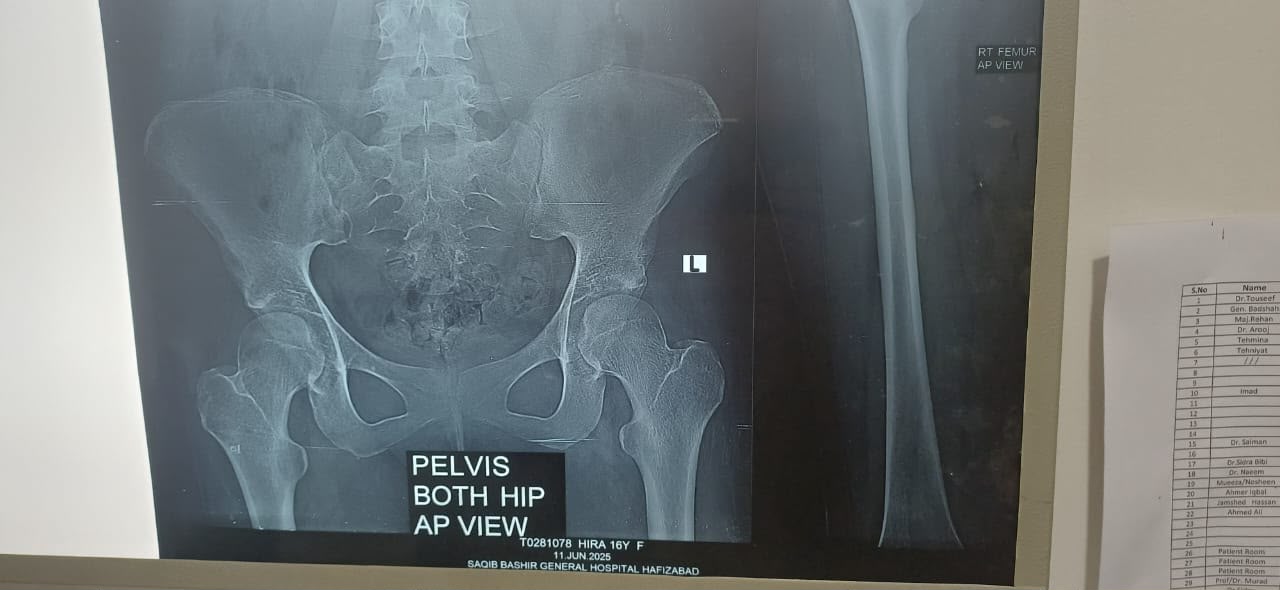
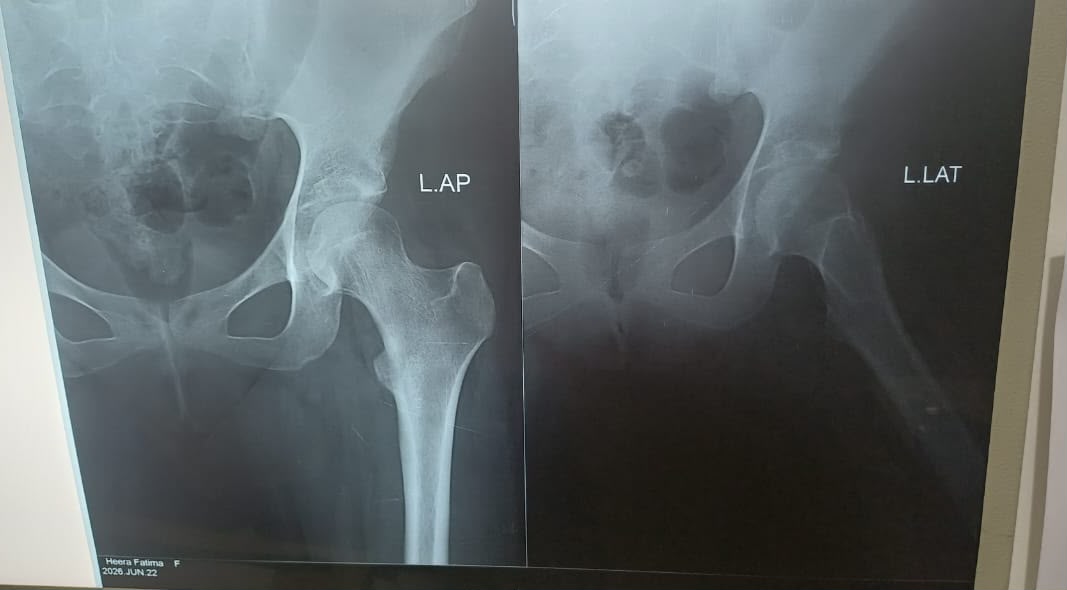
➤ NATIONWIDE TRUST
Patients choose IRM Hospital not for a single procedure, but for a complete evaluation-through-recovery process — increasingly rare in regenerative medicine clinics.
Dedicated health sections under one roof
Distinct medical services offered
Clinical & support staff members
Documented treatment protocol, every patient
➤ fAQ’S
Every patient begins with a consultation, physical examination, and review of imaging to confirm the exact type and stage of arthritis before any treatment — including stem cell therapy — is discussed.
Stem cell therapy is an emerging regenerative approach that may help support the body’s natural repair processes in appropriately selected patients. Outcomes vary by individual, and it is offered only after a full clinical evaluation confirms candidacy.
Osteoarthritis results from gradual cartilage wear, usually with age. Rheumatoid arthritis is an autoimmune disease where the immune system attacks joint linings, often affecting the same joints on both sides of the body.
Yes. Juvenile arthritis affects children under 16 and requires protocols focused on protecting healthy joint development, alongside reducing inflammation and preserving movement.
Autologous therapy uses your own stem cells, collected and processed before injection. Umbilical cord–derived therapy uses screened donor mesenchymal stem cells and does not require harvesting from the patient, often making it a single-day procedure. Your physician determines which option fits your case.
Most patients are advised to limit strenuous activity for approximately 10 days, though this varies by the joint treated and your individual treatment plan. Structured physiotherapy follows.
Not every patient is suitable. After evaluation, some patients are advised to pursue continued physiotherapy, medication optimization, lifestyle changes, or a specialist referral first.
Yes. IRM evaluates patients across the common arthritis types — including osteoarthritis, rheumatoid, juvenile, psoriatic, ankylosing spondylitis, gout, and reactive arthritis — with a treatment plan matched to your diagnosis.
Self-diagnosis is unreliable, since many types share symptoms like joint pain and stiffness. IRM confirms your type through medical history, physical examination, imaging, and lab investigation where needed.
IRM Hospital (Institute of Regenerative Medicine) is sometimes searched as “NIRM.” It is a distinct institution from Pakistan’s National Institute of Rehabilitation Medicine.
Call (051) 3757635 or book online through the Appointments page. Bring any prior X-rays, MRI scans, and a list of current medications to your first consultation.

Dr Syed Salman Naeen Gilani is Stem Cell Consultant & Fellow in Stem Cell Therapy · Diplomat, American Academy of Anti-Aging Medicine · Diplomat, American Board of Regenerative Medicine.
This page is for general informational purposes and does not replace individualized medical advice. Arthritis treatment outcomes vary by patient, diagnosis, and disease stage; no specific result is guaranteed. Stem cell therapy is offered only after a clinical evaluation confirms suitability. Last updated: August 6, 2026.
Book a consultation with Dr. Salman Gilani’s team for a full arthritis assessment — diagnosis first, treatment plan second.
