
➤ Juvenile Arthritis Care in Islamabad
Juvenile Arthritis Stem Cell Treatment in Islamabad
Specialist assessment by Dr. Salman, alongside your child's rheumatology care, at IRM Hospital. Stem cell therapy for juvenile arthritis is at an early research stage.
➤ Know the Evidence
Early Research, Explained Honestly
Studies are small and early. We explain what is known, and what is not, before any decision.

➤ Care Comes First
Rheumatology Care Stays in Place
Medicines, regular eye checks and physiotherapy remain the foundation of care for children with arthritis.

➤ UNDERSTANDING JUVENILE ARTHRITIS
What Is Juvenile Arthritis?
Juvenile idiopathic arthritis (JIA) is arthritis that begins before age 16 and lasts more than 6 weeks. It is the most common long-term rheumatic condition in children. It is a group of conditions, not a single disease.
This page covers the main types, standard care and what research says about stem cell therapy. Treatment at IRM Hospital is led by Dr. Salman, with physiotherapy support. It sits within our wider guide to arthritis and stem cell therapy.
The cause is not known
The immune system attacks the joints, and there is a genetic tendency. It is not caused by anything a parent did.
Eyes can be affected
Some types cause eye inflammation (uveitis), sometimes without symptoms. Regular eye checks are important.
Types can change
A child may move from one type to another over time, so regular review matters.
➤ TYPES OF JIA
The Main Types of Juvenile Arthritis
Doctors group JIA by the number of joints, the symptoms and the blood tests. Your child’s rheumatologist confirms the type.
Oligoarticular
The most common type. It affects a few joints, often in young girls, and needs regular eye checks.
Polyarticular
Affects five or more joints, with or without rheumatoid factor in the blood. It can resemble adult rheumatoid arthritis.
Systemic
Arthritis with daily fever, and sometimes a rash and swollen glands. It needs close specialist care.
Enthesitis-Related
Arthritis with inflammation where tendons attach to bone. More common in older boys.
Psoriatic
Arthritis linked with psoriasis or a family history of it.
Undifferentiated
Arthritis that does not fit one group, or fits more than one.
➤ SYMPTOMS AND DIAGNOSIS
Symptoms and How It Is Diagnosed
Common Symptoms
- Swollen, painful or stiff joints, often worse in the morning
- Limping, especially after rest
- Tiredness and reduced activity
- Fever or rash in the systemic type
- Eye redness or pain (uveitis)
How Diagnosis Works
- A paediatric rheumatologist examines the joints
- Arthritis lasting more than 6 weeks is the key sign
- Blood tests and imaging support the diagnosis and rule out other causes
- Regular slit-lamp eye exams check for uveitis
When to see a doctor: if your child has a swollen joint, a limp or morning stiffness that lasts, see a doctor soon. Early treatment protects the joints and the eyes.
➤ STANDARD CARE
How Juvenile Arthritis Is Usually Treated
These are the proven foundations of care. Stem cell therapy is never a replacement for them.
Medicines
Anti-inflammatory medicines (NSAIDs), steroid joint injections and disease-modifying drugs such as methotrexate, as prescribed by the rheumatologist.
Biologic Medicines
For some children, targeted biologic medicines are used when other medicines are not enough.
Eye Checks
Regular eye examinations, because eye inflammation can be silent.
Physiotherapy
Gentle exercise keeps joints moving and muscles strong, and supports growth and daily activity.
➤ THE EVIDENCE
Stem Cell Therapy for Juvenile Arthritis: What Research Shows
Stem cell therapy for juvenile arthritis is at an early research stage. It is not a standard treatment, and it does not replace your child’s rheumatology care.
Small studies
A small trial in 6 children with arthritis that had not responded to treatment found mesenchymal stem cell infusions to be safe, and said larger studies are needed.
Early results only
Other small reports describe benefit, but they are few and are not controlled trials, so no conclusion can be drawn.
Our approach
Your doctor explains the limits of this evidence first. Medicines and eye checks continue, and treatment is offered only if suitable.
Sources: Rheumatology (2019) phase Ib trial of bone marrow mesenchymal stromal cells in refractory JIA; Frontiers in Pediatrics (2022) review of MSC in autoimmune disease.
➤ STEM CELL TREATMENT AT IRM
Stem Cell Treatment for Juvenile Arthritis at IRM
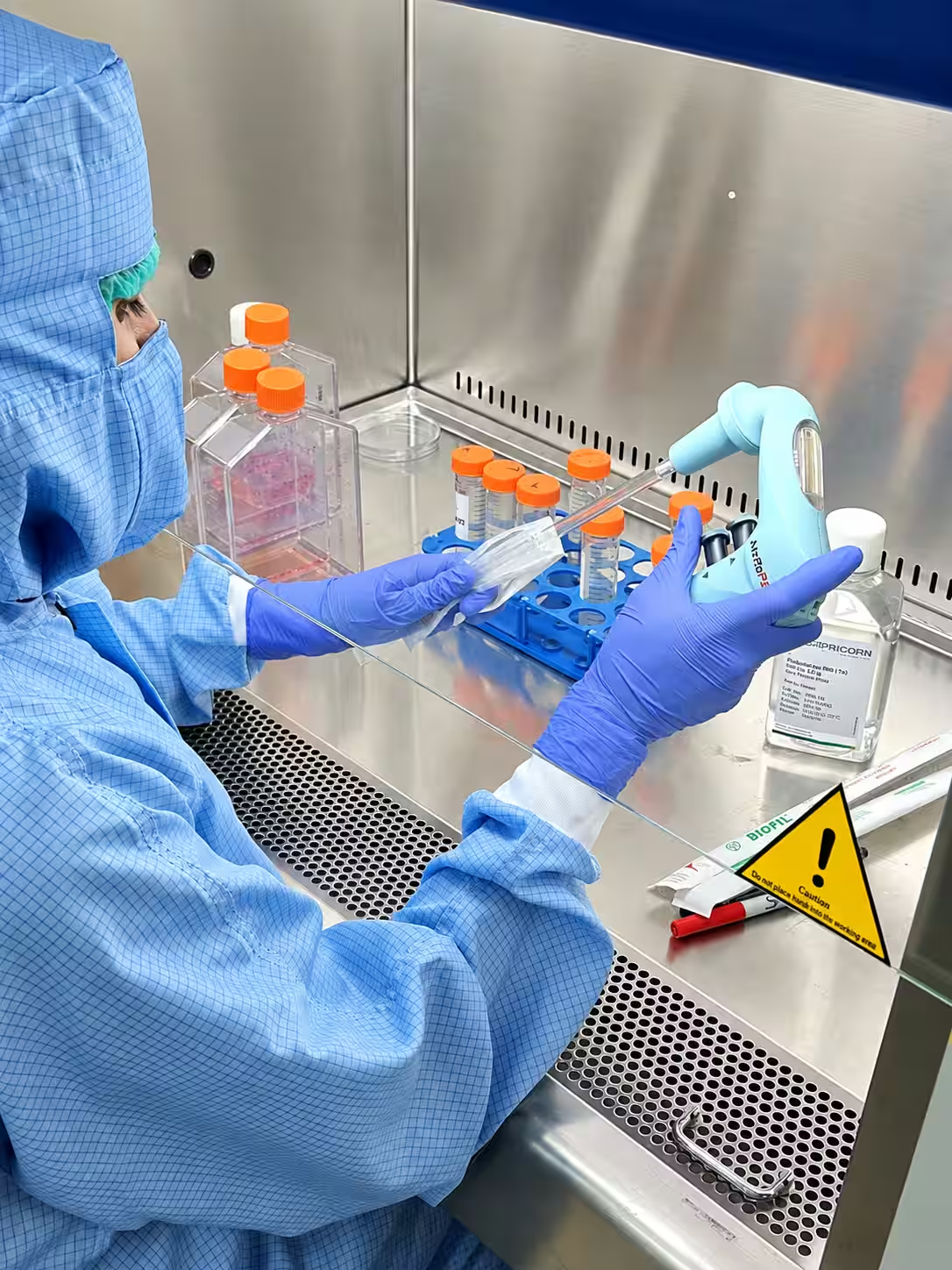
After a specialist assessment of your child’s diagnosis, reports and overall health, Dr. Salman explains whether stem cell treatment is an option. Cells are prepared in our own laboratory, Regen Cell Bio, and the cell source and route are chosen for each child.
Please note: this is an early research area, results vary, and improvement is not guaranteed. Your child’s rheumatology treatment must continue. Your doctor explains the benefits, risks and limits first.
➤ MEET YOUR SPECIALISTS
Your Care Team

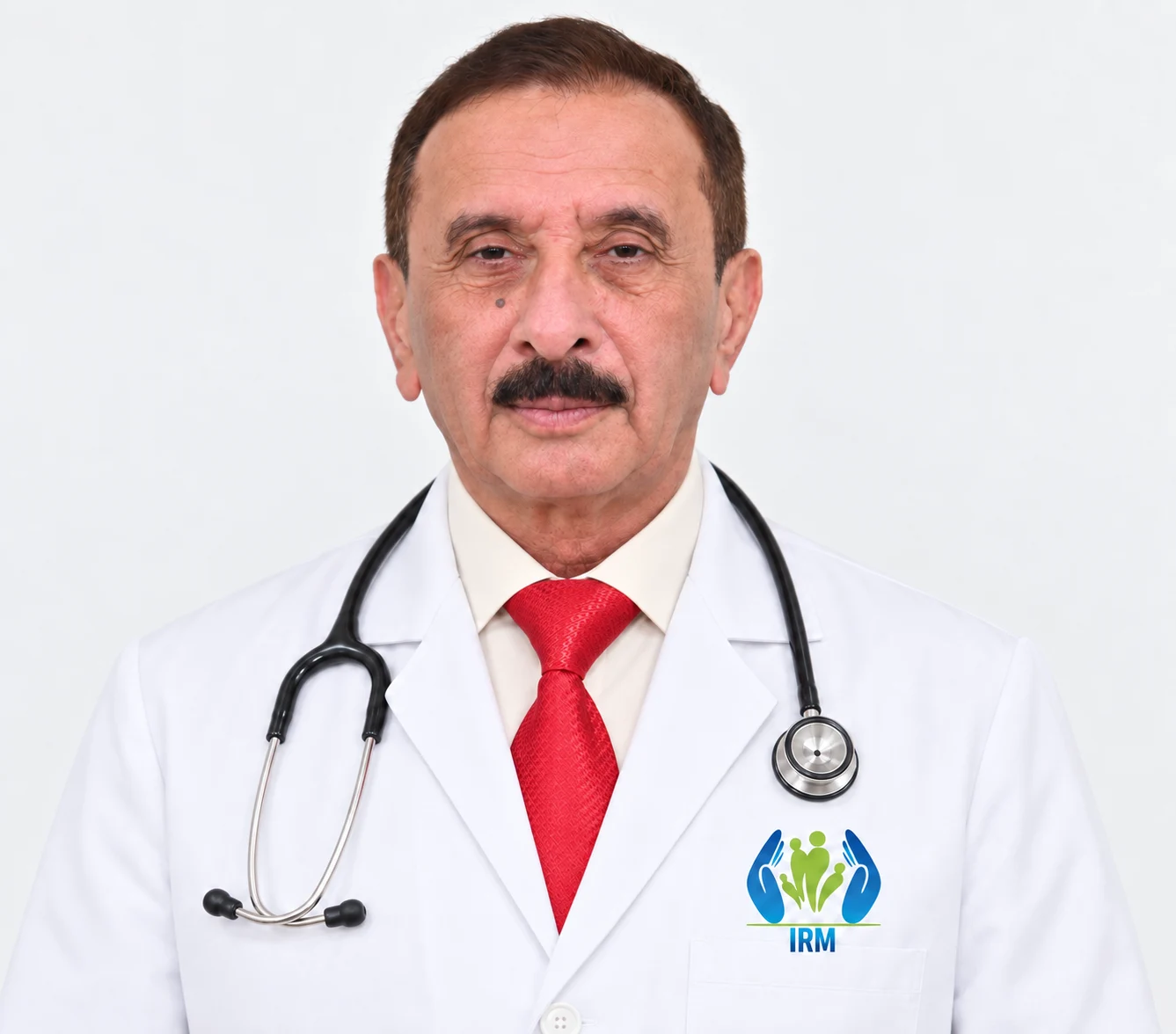
Stem Cell Consultant
Dr. Salman Gilani
M.B.B.S, M.D (USA), FACP
Leadership & Roles
- Medical Director, IRM Hospital
- Dean, IRM Medical College
- Diplomate, American Board of Regenerative Medicine (ABRM)
- Diplomate, American Academy of Anti-Aging Medicine (A4M)
Physiotherapist
Malik Naeem
B.S (PT), M.Phil (PPDPT), M.S (NMPT), PGD Pain Management (HSA)
Gentle, guided exercise helps keep a child’s joints moving and muscles strong. Malik Naeem plans physiotherapy for children alongside their medical care.
➤ COMMON QUESTIONS
Juvenile Arthritis Stem Cell Treatment FAQs
What is juvenile arthritis?
Juvenile idiopathic arthritis is arthritis that starts before age 16 and lasts more than 6 weeks. It is a group of conditions, and the type affects care.
Can stem cells cure juvenile arthritis?
No. Stem cell therapy for JIA is at an early research stage, with only small studies. No outcome can be promised.
Should my child stop their medicines?
No. Never stop or change medicines without your rheumatologist. Stem cell treatment, if considered, is only alongside standard care.
Does IRM offer stem cell treatment for juvenile arthritis?
Yes, after a specialist assessment with Dr. Salman, who explains the evidence, risks and limits first.
Why are eye checks important?
Some types cause eye inflammation without symptoms, and untreated inflammation can damage vision. Regular slit-lamp exams find it early.
What should I bring to the first visit?
Bring your child’s diagnosis, blood and imaging reports, eye reports, and a list of current medicines.
➤ BOOK AN ASSESSMENT
Submit Your Details with Us
- 397-Kortana, Opposite Gate 4, DHA Phase 2, Islamabad
- Hospital: +92 331 4367367
- Coordinator (WhatsApp): +92 336 4367367
- contact@irmsc.com
Prefer to Talk to Someone First?
Message our coordinator on WhatsApp or call the hospital. Share your latest reports and we will tell you honestly whether an assessment makes sense.
Related: Arthritis · Osteoarthritis · Stem cell therapy
Disclaimer: This page is for information only and is not a substitute for medical advice. Treatment at IRM Hospital is offered only after a specialist assessment. Stem cell therapy for juvenile arthritis is at an early research stage, is not a standard treatment, and does not replace medicines, eye checks or physiotherapy. Sources: Merck Manual, AAPMR, published studies. Results vary between patients and no outcome can be promised.